Key Highlights
- U.S. stock futures are rising as Senate hints at progress toward ending the government shutdown.
- Markets react to political signals rather than waiting for formal agreements.
- Uncertainty in government spending impacts market liquidity and investor sentiment.
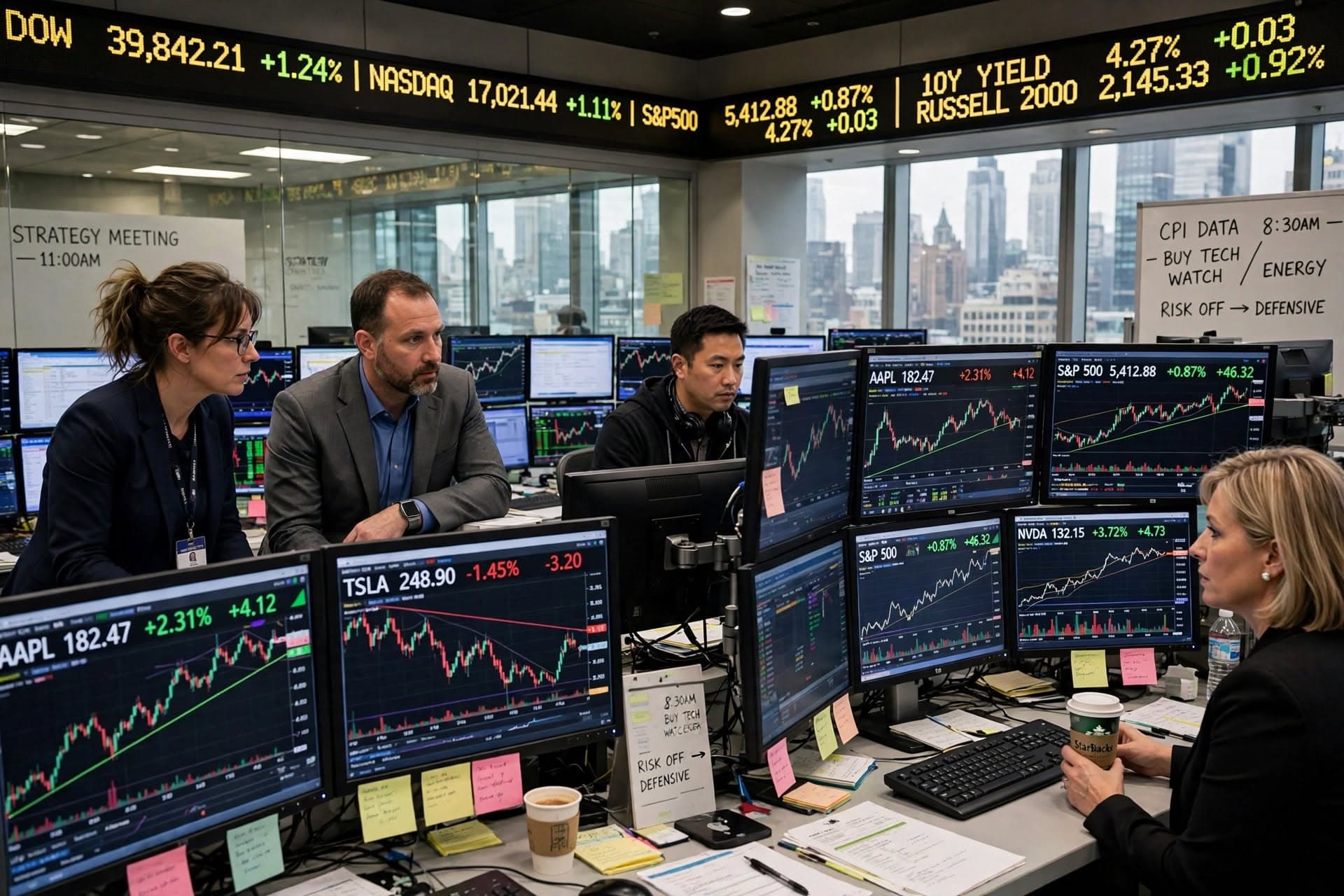
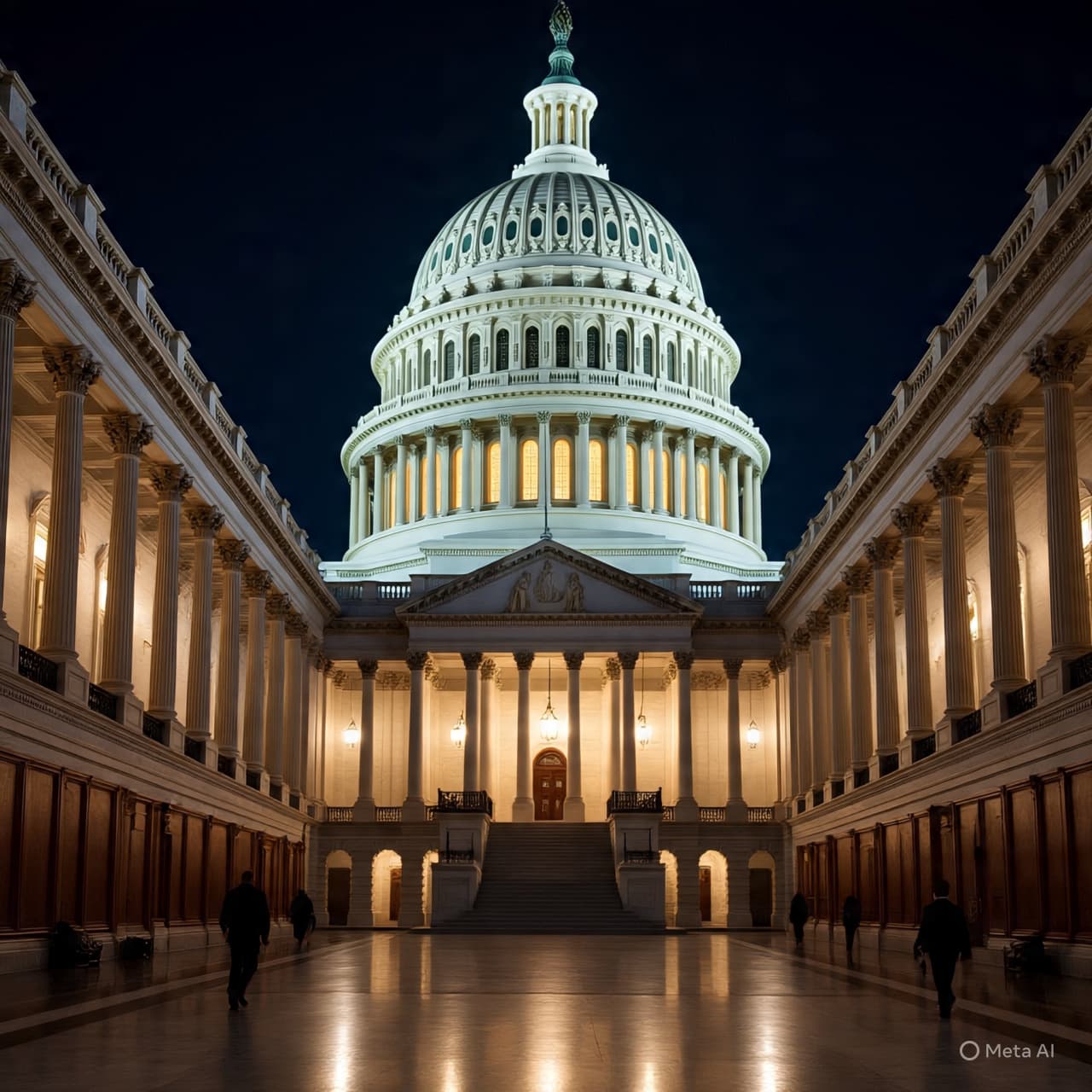
Markets don’t wait for lawmakers to speak in full paragraphs. They react to tone, velocity, and probability. This morning, U.S. stock futures drifted higher as the Senate signaled progress toward ending the government shutdown. While no bill has been signed yet and no podium handshake has occurred, investors can sense when the political machinery is moving toward a resolution.
Shutdowns are typically viewed as political theater, often concluding with all parties claiming partial victories. However, the markets operate under a different set of rules. They are particularly sensitive to suspended decision-making. Each additional day without a government spending authorization introduces real friction into the economy: furloughed workers, delayed contract payments, and clogged agency approval lines.
When chatter in the Capitol suggests that the impasse might break, futures begin to tick upward in anticipation. This movement is not solely based on the promise of clarity but rather on the market's ability to start pricing the future again. In this context, uncertainty emerges as the true antagonist, overshadowing ideological divides.
Currently, the situation remains fluid. Negotiators are revising language, clocks are ticking, and the public is observing a government that is, in a legal sense, half-asleep. Yet, Wall Street has already begun to shift its weight toward a resolution: a deal, a reopening, and the return of a semblance of normal liquidity — or at least the version of “normal” that we can expect in this political era.
The implications of this potential resolution extend beyond mere market movements. A government shutdown can have cascading effects on various sectors, from federal contractors to public services. Investors are keenly aware that prolonged uncertainty can lead to broader economic repercussions, including decreased consumer confidence and slowed economic growth.
As the Senate continues its discussions, market participants will be closely monitoring developments. The hope is that a bipartisan agreement can be reached swiftly, allowing for the resumption of normal government operations and restoring investor confidence. In the meantime, the markets will likely remain volatile, reacting to every hint of progress or setback in negotiations.
In conclusion, while the political landscape remains uncertain, the markets are poised to respond to any signs of resolution. Investors are looking for clarity and stability, and as negotiations unfold, the focus will be on how quickly lawmakers can come together to end the shutdown and restore normalcy to government operations.
Published by Banx Network. This article is part of the Banx decentralized media programme, powered by the BXE token on the XRP Ledger.