
Key Highlights
- Fourteen seafarers confirmed dead due to attacks in the Gulf.
- Rising war-risk premiums force shipping companies to reroute vessels.
- Labor shortages impact oil and gas shipments amid safety concerns.
Manama, Bahrain—A recent maritime security assessment has confirmed that fourteen merchant seafarers have lost their lives due to a surge in missile and drone strikes targeting commercial vessels in the Gulf region. This alarming report, released on Friday, underscores the human cost of ongoing military operations and blockades affecting vital international shipping lanes. The fatalities involve seafarers from various nationalities, reflecting the global ramifications of the escalating maritime conflict.
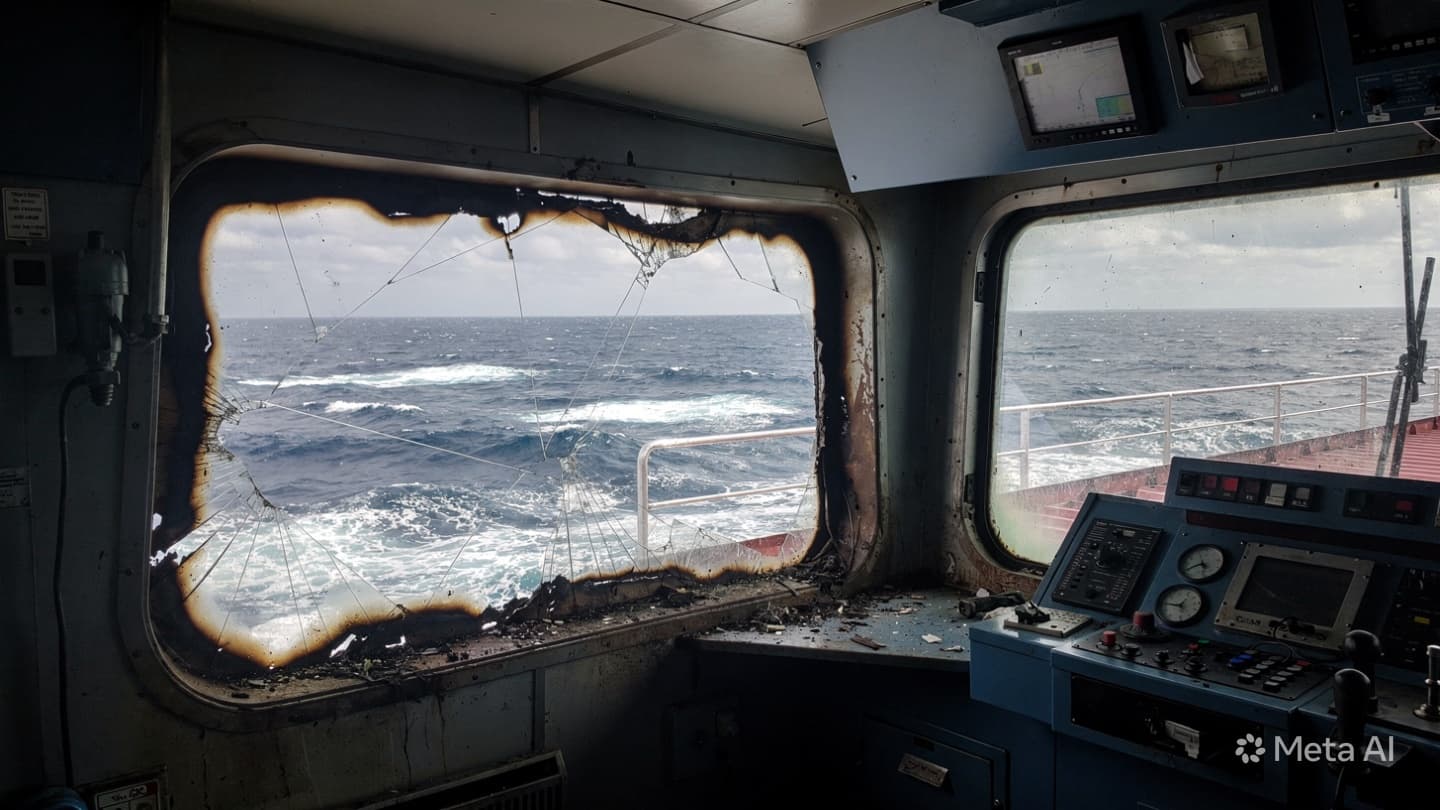
The report meticulously tracks incidents occurring in the Persian Gulf, the Gulf of Oman, and critical chokepoints leading into the Indian Ocean. Most fatalities have been attributed to direct impacts from anti-ship cruise missiles and low-flying loitering munitions, which have caused significant hull breaches and damage to crew quarters. The use of such advanced weaponry highlights the increasing dangers faced by commercial shipping in these waters.
In response to the rising death toll, insurance syndicates have raised war-risk premiums to prohibitive levels for non-escorted vessels. Many international shipping operators are now opting to reroute their fleets around the Cape of Good Hope, a decision that adds weeks to transit times and significantly increases consumer freight costs. This logistical shift is reshaping global shipping patterns and could have lasting effects on supply chains.
Naval coalitions patrolling the Gulf have ramped up their escort frequencies, but their resources are stretched thin across vast maritime areas. Merchant captains have expressed concerns that the automated defense systems on military vessels are not always effective in protecting civilian ships traveling in loose formations. The asymmetric nature of the drone attacks complicates defense efforts, allowing projectiles to evade detection and interception.
The report also highlights that, in addition to the confirmed fatalities, numerous crew members have sustained severe injuries, including burns and shrapnel wounds. Emergency medical evacuations by helicopter have become a routine procedure for ships operating within the strike range of hostile forces. Several injured sailors are currently hospitalized in regional medical facilities, far from their home countries, raising concerns about their long-term recovery and support.
Manning agencies are facing significant challenges as crews increasingly refuse to sign contracts that require them to transit through the high-risk zone. Trade unions are advocating for mandatory hazard pay and the right for mariners to decline assignments in the Gulf without facing job termination. This growing labor resistance is beginning to impact the shipment of oil and liquefied gas, further complicating the already tense energy market.
Investigators have struggled to attribute responsibility for several of the attacks, largely due to the use of unflagged and deniable launch platforms. Debris recovered from recent wreckage sites suggests sophisticated assembly methods consistent with state-sponsored supply networks. This ambiguity surrounding accountability complicates the enforcement of maritime legal penalties by international regulators.
As the security situation remains fluid, naval assets are preparing for potential escalations over the weekend. Automated distress beacons continue to monitor commercial frequencies for any signs of incoming threats. The threat environment for civilian mariners in these waters shows no signs of improvement, raising urgent questions about the future of maritime safety in the Gulf region.
Published by Banx Network. This article is part of the Banx decentralized media programme, powered by the BXE token on the XRP Ledger.



