
Key Highlights
- Discovery:Debris from a Boeing 737 found in remote waters.
- Rescue Efforts:Coast guard and international teams deployed for search.
- Investigation:Cause of crash to be examined after rescue phase.
A maritime rescue operation is currently underway following the discovery of debris consistent with a Boeing 737 aircraft in a remote area of the ocean. The debris was identified through visual inspection and preliminary analysis of serial numbers and structural components, marking a significant development in the search for the missing crew. This discovery has shifted the focus of the operation from broad surveillance to targeted rescue efforts, as every moment is critical in the race against time and changing weather conditions.
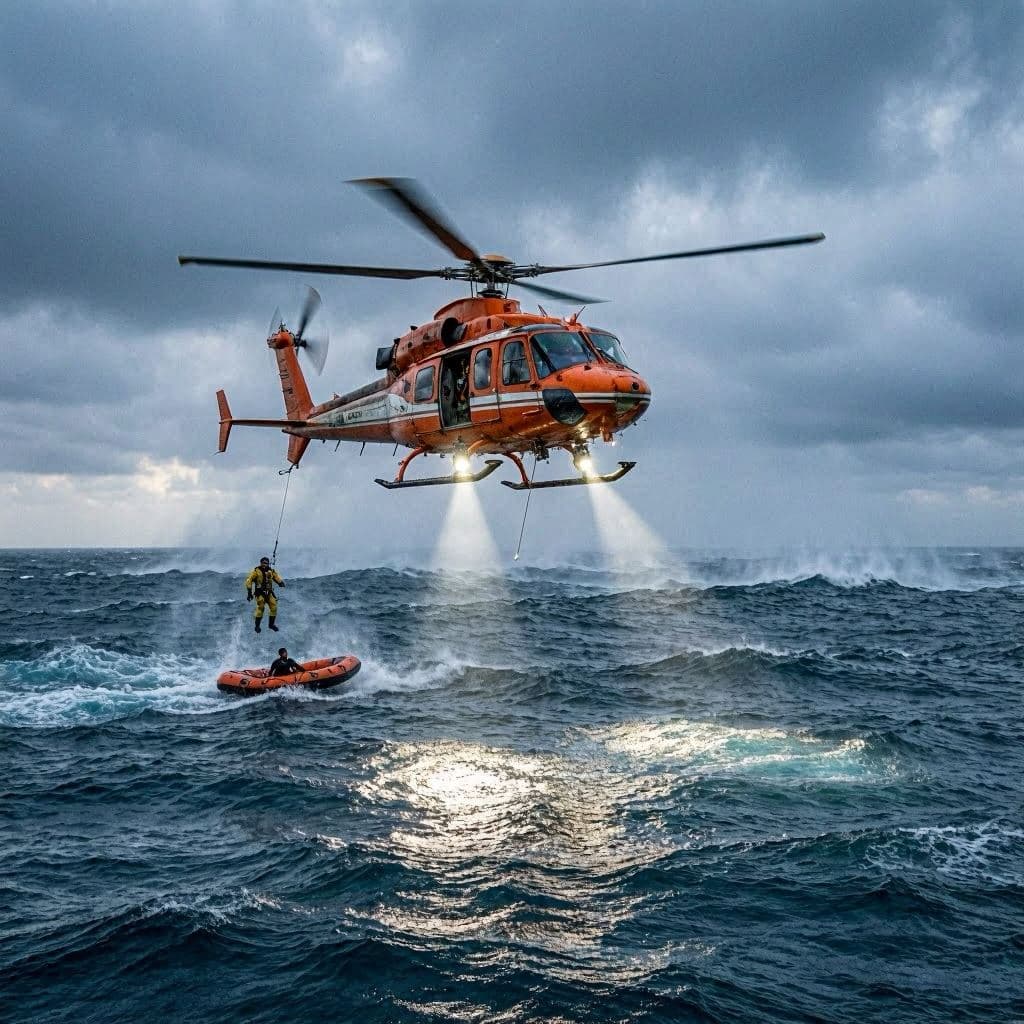
Coast guard vessels and aircraft have been mobilized to the site, diligently scanning the waters for any signs of life. Survivors in such harsh environments face extreme challenges, including exposure to cold water, dehydration, and fatigue. Rescue specialists, equipped with advanced technology to detect heat signatures and distress signals, are working tirelessly to locate any potential survivors. The coordination between international agencies is crucial, as the incident may involve multiple jurisdictions, complicating the rescue efforts.
Families of the missing crew members are enduring an agonizing wait, clinging to hope amidst uncertainty. Support networks have been established to provide counseling and regular updates, helping them navigate the emotional turmoil of this crisis. The solidarity of the community offers some comfort, yet the anxiety of not knowing the fate of their loved ones remains a heavy burden. Their resilience highlights the strength of human connection in the face of adversity.
Once the immediate rescue phase concludes, an investigation into the cause of the crash will commence. Factors such as mechanical failure, weather conditions, and human error will be meticulously examined. Recovery of the black box is a priority, as it holds vital information regarding the final moments of the flight. This data is essential for preventing future accidents and enhancing aviation safety standards.
The Boeing 737 is one of the most widely used aircraft globally, known for its strong safety record. However, any incident involving commercial aviation attracts intense scrutiny. Manufacturers and regulators collaborate closely to ensure that lessons learned from such tragedies are applied to improve safety measures. Transparency in the investigation process is vital to maintaining public trust and confidence in air travel.
International cooperation plays a significant role in maritime rescue operations. Countries often share resources and expertise to maximize the chances of success in locating survivors. This collaborative effort reflects a shared commitment to preserving human life, transcending political boundaries. It serves as a powerful example of how global challenges can unite nations in a common purpose.
As the search continues, the world watches with bated breath. Each update brings either relief or sorrow, but always a deeper understanding of the fragility of life. The dedication of the rescue teams is inspiring, showcasing the best of humanity in its darkest hours. Their efforts serve as a beacon of hope for the families waiting on shore, as they cling to the possibility of a miracle.
A frantic search is underway for the crew of a Boeing 737 after wreckage was discovered by officials. Rescue teams are deploying all available resources to locate survivors in challenging conditions. The incident highlights the importance of international cooperation and rigorous aviation safety investigations.
Published by Banx Network. This article is part of the Banx decentralized media programme, powered by the BXE token on the XRP Ledger.



