
Key Highlights
- China opposes international recognition of Somaliland, reaffirming support for Somalia's sovereignty.
- Somaliland declared independence in 1991 but remains unrecognized by most nations.
- China's stance reflects its broader foreign policy prioritizing state sovereignty and existing borders.
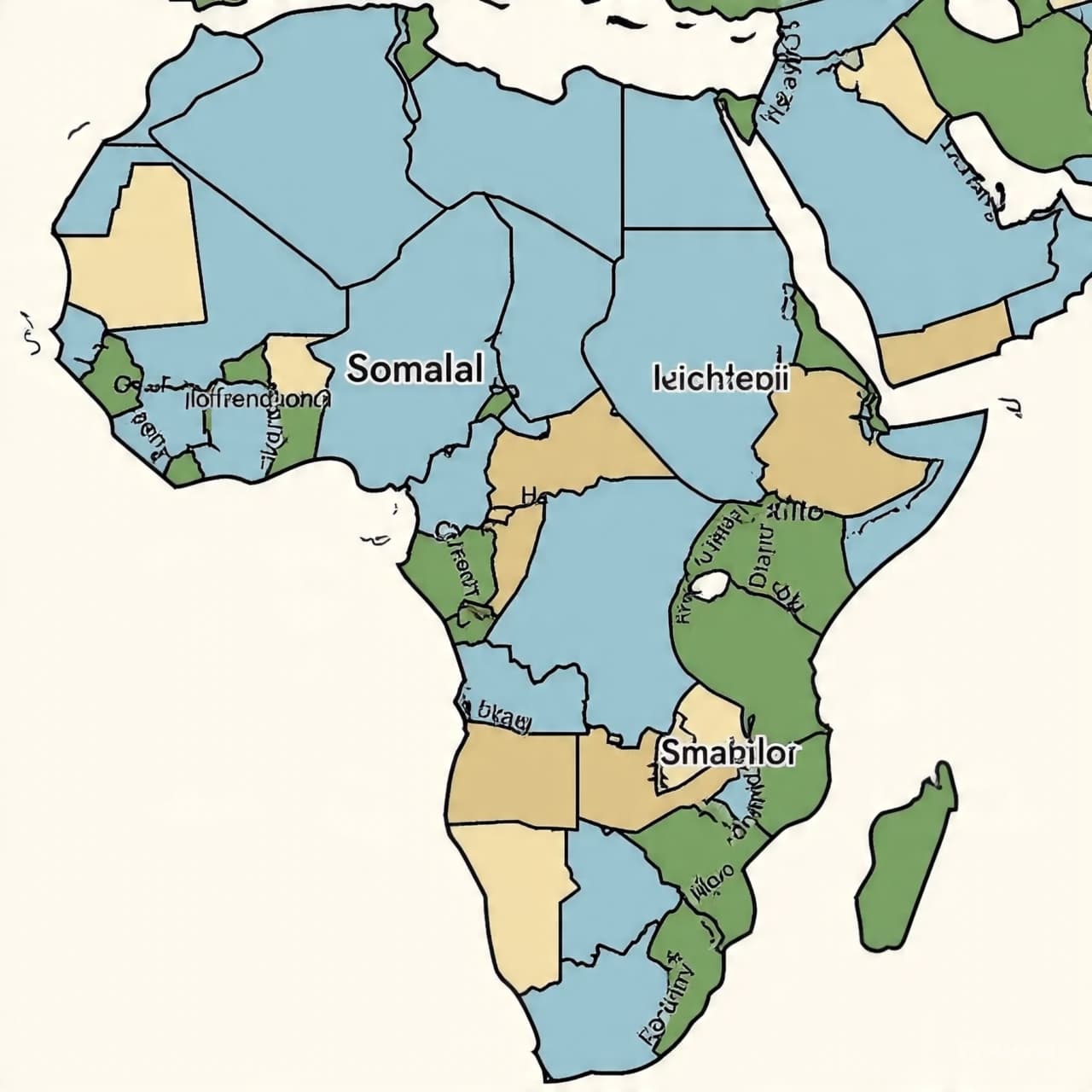
China's recent diplomatic maneuvering has brought renewed attention to the complex geopolitical landscape of the Horn of Africa. Maps, once mere representations of territory, now symbolize deeper historical and political narratives that continue to shape identities and allegiances. In a significant statement, China publicly opposed the international recognition of Somaliland, a self-declared republic that has sought independence from Somalia since 1991. This declaration comes at a critical juncture, following Israel's formal recognition of Somaliland, which has elicited varied responses across Africa and the Middle East.
During a routine foreign ministry briefing, Chinese officials emphasized their commitment to Somalia's sovereignty, unity, and territorial integrity. They framed the issue not merely as a regional dispute but as a matter of principle, warning against what they termed 'separatist activity' and external influences that could exacerbate divisions within sovereign states. This perspective aligns with China's broader foreign policy, which prioritizes the sanctity of existing borders and state sovereignty, reflecting its own sensitivities regarding territorial integrity.
Somaliland's quest for recognition has been a long-standing issue, as the region has maintained its own government, currency, and security forces for over three decades. Despite this, it remains largely unrecognized by the international community, with organizations like the African Union and the United Nations still considering it part of Somalia. China's recent statements reinforce this prevailing view, providing diplomatic support to Somalia's federal government at a time when any foreign recognition of Somaliland could disrupt established norms and potentially ignite further territorial disputes across the continent.
For Somali officials, China's backing is crucial. They argue that unilateral recognition of Somaliland undermines regional stability and sets a dangerous precedent that could encourage similar movements in other parts of Africa. The Somali government has consistently maintained that the future of Somaliland should be determined through dialogue within Somalia's political framework, without external interference that could alter borders.
China's position also underscores its strategic interests in East Africa, where it has invested heavily in infrastructure and economic development. By opposing recognition of Somaliland, Beijing not only safeguards its relationships in the region but also signals continuity in its diplomatic doctrine, which has historically emphasized respect for state sovereignty and territorial integrity.
The debate surrounding Somaliland's future is far from settled. Proponents of independence argue that Somaliland has demonstrated relative stability and effective governance compared to the rest of Somalia, which has faced ongoing conflict and instability. Conversely, opponents warn that recognizing Somaliland could lead to fragmentation in an already fragile region, complicating the geopolitical landscape further.
As global powers continue to weigh in on this contentious issue, each statement adds complexity to a situation that resists simple solutions. For now, China's message is clear: recognition should not precede consensus, and the integrity of established borders must be respected to maintain regional stability.
Published by Banx Network. This article is part of the Banx decentralized media programme, powered by the BXE token on the XRP Ledger.



