Beneath the vibrant colors and towering structures of the Great Barrier Reef lies an invisible world teeming with life. This microscopic community, known as the microbiome, plays a crucial role in the health and resilience of the coral ecosystem. For the first time, scientists have completed a comprehensive map of this hidden network, shedding light on the complex interactions that sustain one of the planet’s most biodiverse habitats.
The study involved collecting water and tissue samples from various locations across the reef, analyzing the genetic material of bacteria, archaea, and viruses present. This massive undertaking reveals that the microbiome is not uniform but varies significantly depending on location, depth, and coral species. Understanding this diversity is key to predicting how the reef will respond to stressors such as warming oceans and pollution.
Researchers found that certain microbial communities are associated with healthier corals, helping them resist disease and recover from bleaching events. These beneficial microbes can enhance nutrient cycling and provide protective compounds against pathogens. By identifying these "good" bacteria, scientists hope to develop probiotic treatments that could boost coral resilience in the face of climate change.
Conversely, the map also highlights areas where harmful microbes dominate, often correlated with poor water quality or thermal stress. These findings provide early warning signs of ecosystem degradation, allowing managers to target conservation efforts more effectively. Monitoring changes in the microbiome could become a standard tool for assessing reef health, much like checking vital signs in a patient.
The project also underscores the interconnectedness of the reef environment. Microbes do not exist in isolation but interact with algae, sponges, and other organisms to form a cohesive biological system. Disruptions to one part of this network can have cascading effects, emphasizing the need for holistic management strategies that consider the entire ecosystem.
Data from the study is being made available to the global scientific community, fostering collaboration and further research. Open access to this information allows researchers worldwide to build on these findings, accelerating the development of innovative conservation solutions. It represents a significant step toward data-driven management of marine protected areas.
Public engagement is also a priority, with educators using the microbiome map to explain the complexity of reef ecosystems to students and visitors. By revealing the invisible forces at work, the project helps people appreciate the fragility and importance of the reef. It transforms abstract concepts of biodiversity into tangible, relatable stories of microbial cooperation.
As climate pressures mount, understanding the microbiome becomes increasingly urgent. It offers a potential lever for intervention, giving humans a way to support natural processes rather than just observing decline. The map is not just a scientific achievement but a tool for hope and action.
The first comprehensive map of the Great Barrier Reef’s microbiome marks a milestone in marine science. By illuminating the invisible foundations of coral health, it provides new pathways for protecting this iconic ecosystem for future generations.
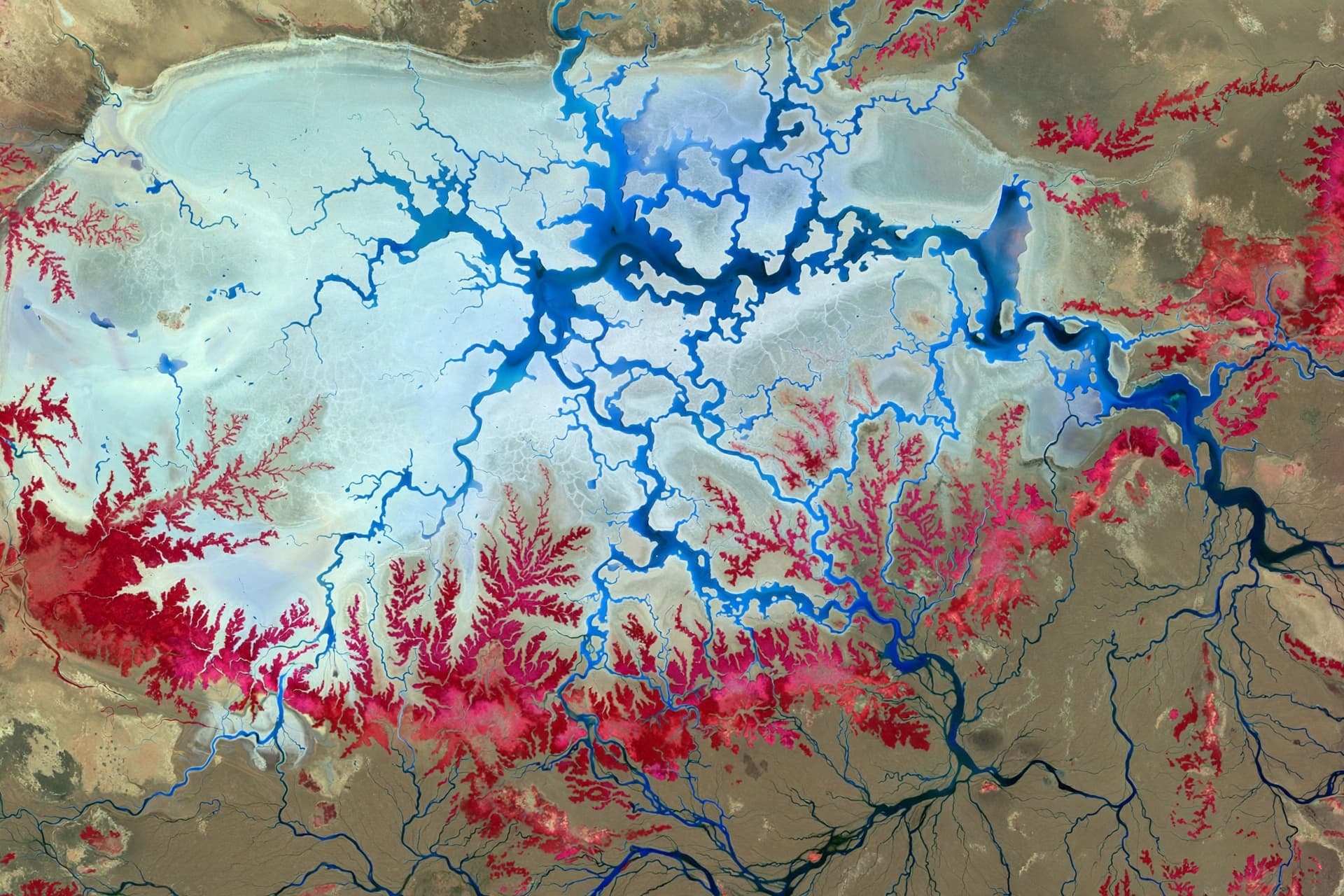
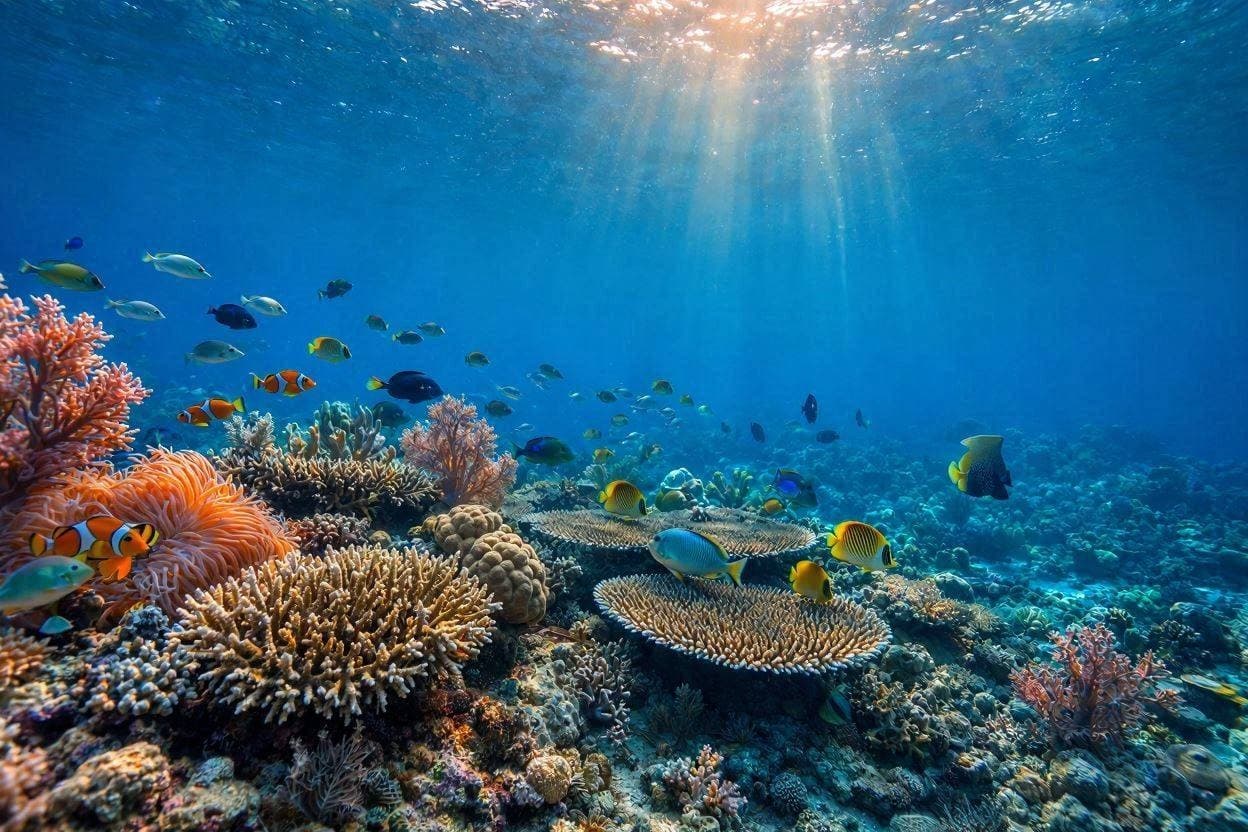
AI Image Disclaimer: The images associated with this article are AI-generated illustrations designed to represent the themes of marine microbiology and coral reef conservation.
Sources: Great Barrier Reef Foundation, Nature Microbiology, ABC News Australia, CSIRO
Published by Banx Network. This article is part of the Banx decentralized media programme, powered by the BXE token on the XRP Ledger.