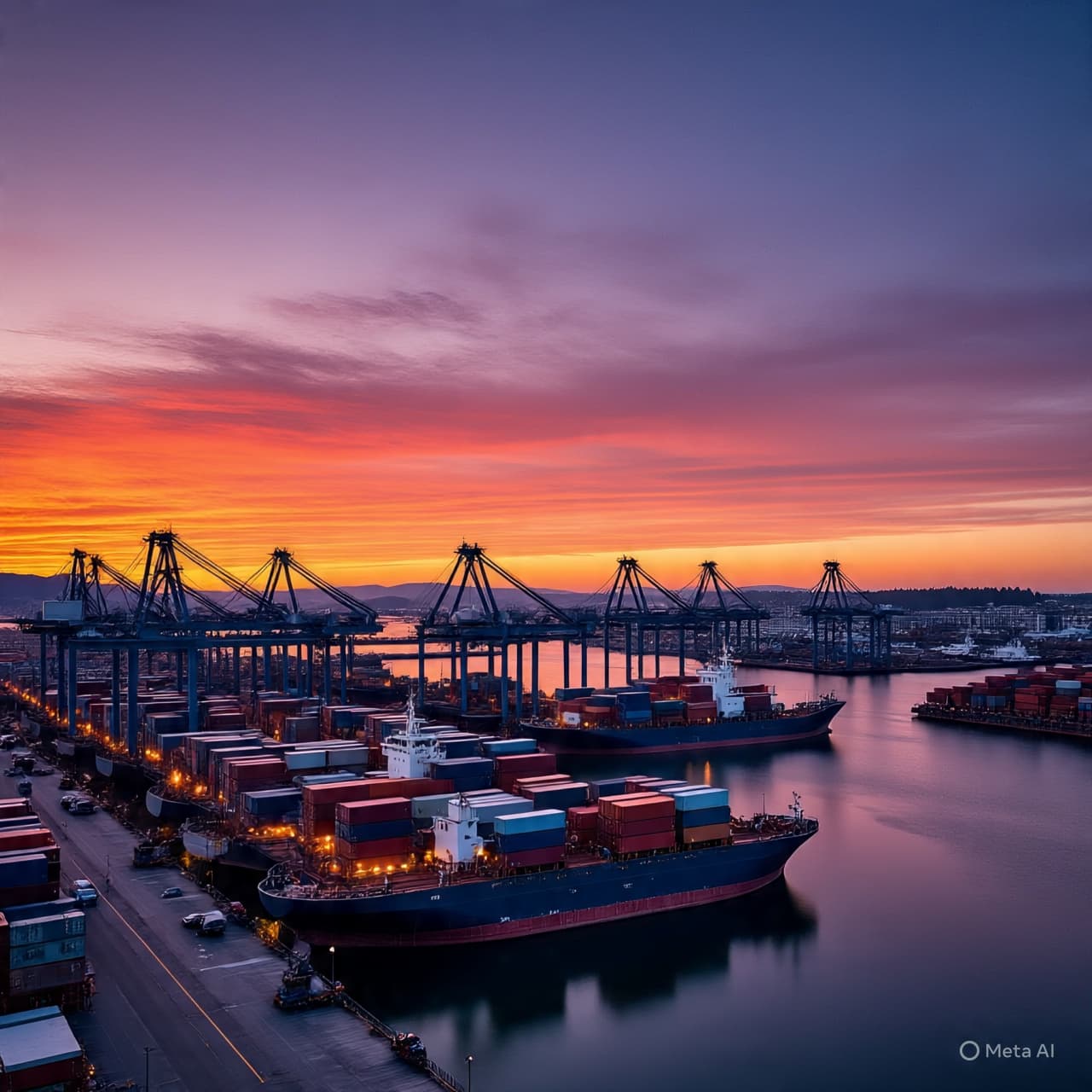
At dusk, Vancouver’s harbour lights mirror the restless tides of global commerce. From these waters rise stories not just of ships and containers, but of how markets and communities are woven together in networks of supply and demand that stretch halfway around the world. In recent days, such reflections have been stirred by an agreement between Canada and China, a pact that Ottawa and business leaders alike have pointed to as a potential boon for British Columbia’s economy.
In Beijing, during a high‑profile visit that marked the first by a Canadian prime minister in nearly a decade, Prime Minister Mark Carney unveiled a preliminary trade deal with China that touches on electric vehicles and agricultural products. Canada has agreed to reduce a steep tariff on Chinese electric vehicles — slashing it from 100 percent to 6.1 percent, and placing a cap on imports of up to 49,000 units annually — while China is expected to cut back tariffs on key Canadian exports such as canola seed.
For British Columbians, that picture is painted as a hopeful one. The province’s economy, which leans on international shipping, diversified trade and a strategic Pacific gateway, could see more activity at its ports and new connections with a vast market. Electric vehicles arriving at more competitive prices could spur consumer choice, and diversified export lanes — especially for agricultural products — might reduce vulnerability to economic downturns elsewhere. Business groups in the region have largely greeted the news with affirmation that welcoming broader trade ties with China reflects an openness to markets beyond North America.
Yet beneath the optimism lie complexities that remind us of the subtler currents at play. The deal does not erase the challenges of a long‑standing trade imbalance with China, nor does it immediately transform sectors outside of the specific areas targeted by tariff changes. Within Canada, voices such as Ontario’s premier have raised caution about cheap imports and the potential impacts on domestic industries, including auto manufacturing, noting that what looks like a win for some might carry adjustments for others.
And while the agreement is being framed in many quarters as a strategic step toward diversifying Canada’s trade portfolio — reducing over‑dependence on a single export market — it arrives amid broader geopolitical debates about how nations engage in a changing global economy. Analysts note that what unfolds next will depend on how these initial arrangements develop into deeper and more sustainable economic partnerships.
For British Columbians, accustomed to the ebb and flow of tides and trade winds alike, the current chapter serves as a reminder: prosperity often arises from bridges built over long distances, yet the strength of those spans is tested by how well they serve across terrain both near and far.
AI Image Disclaimer Visuals are created with AI tools and are not real photographs.
Sources Global News Reuters AP News / Yahoo Finance The Guardian Investing.com
Published by Banx Network. This article is part of the Banx decentralized media programme, powered by the BXE token on the XRP Ledger.