When the earth shakes, the world holds its breath, waiting to see the extent of the damage and the speed of the response. In Indonesia, a powerful 7.7 magnitude earthquake has struck, prompting an international offer of aid from the European Union. This gesture invites reflection on the power of technology to bridge distances and the spirit of global solidarity in times of crisis. It is a moment where satellites become eyes of hope.
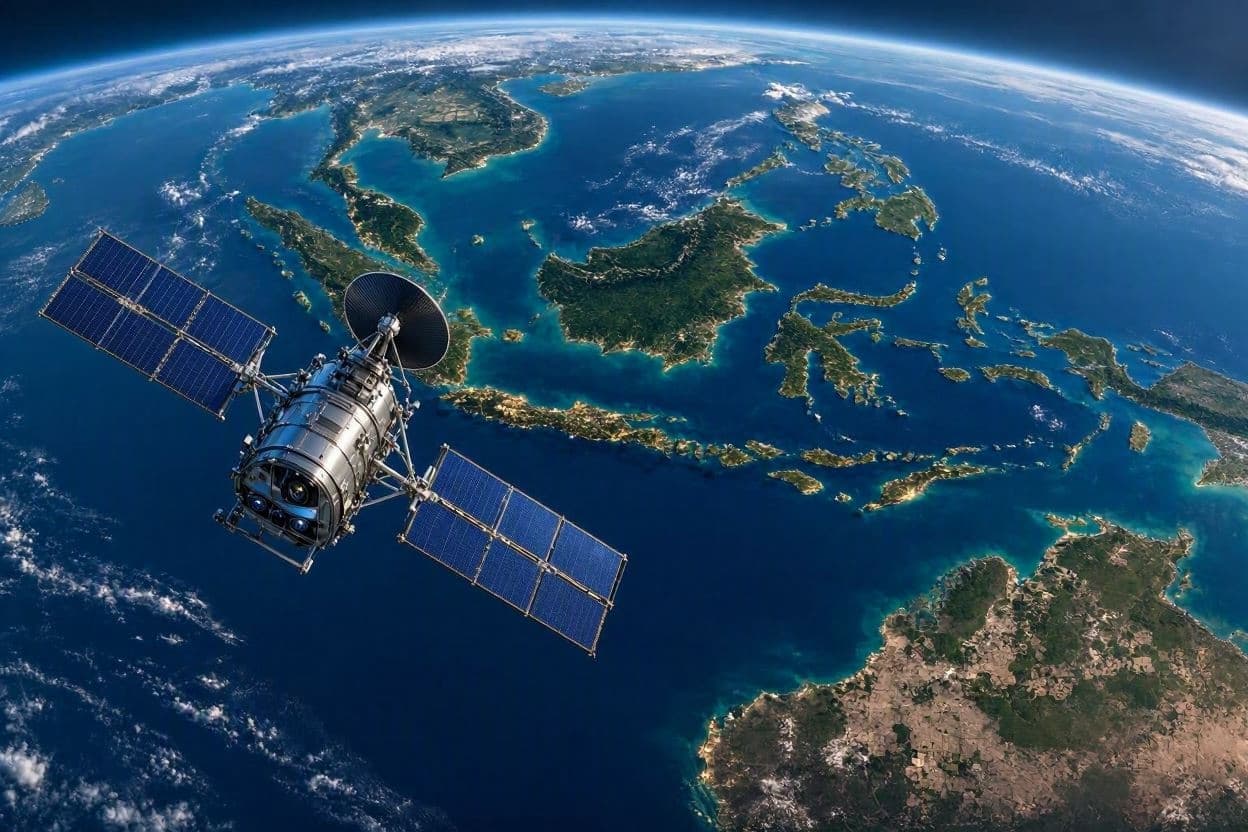
The EU has announced its readiness to activate the Copernicus Emergency Management Service, providing satellite imagery to assist in search and rescue operations. This system offers real-time data on affected areas, helping responders identify damaged infrastructure and accessible routes. Data guides rescue. Technology aids speed.
Indonesia, located on the Pacific Ring of Fire, is no stranger to seismic activity, but each event brings unique challenges. The collaboration with the EU highlights the importance of international cooperation in disaster management. Cooperation strengthens response. Unity saves lives.
For the people of Indonesia, the immediate need is for safety, shelter, and medical attention. The satellite data will support local authorities in allocating resources effectively and reaching isolated communities. Resources bring relief. Reach ensures care.
The Copernicus program, a joint initiative of the EU and the European Space Agency, has been used in previous disasters to provide critical mapping services. Its activation for Indonesia underscores the value of shared scientific resources. Science serves humanity. Sharing multiplies impact.
As rescue efforts unfold, the focus remains on minimizing loss of life and supporting the recovery process. The hope is that the technological assistance will translate into tangible help for those on the ground. Hope rests on action. Help heals pain.
The European Union has offered to activate its Copernicus satellite system to assist Indonesia following a 7.7 magnitude earthquake. The service will provide critical data for search and rescue operations. The hope is for effective disaster response and international support.
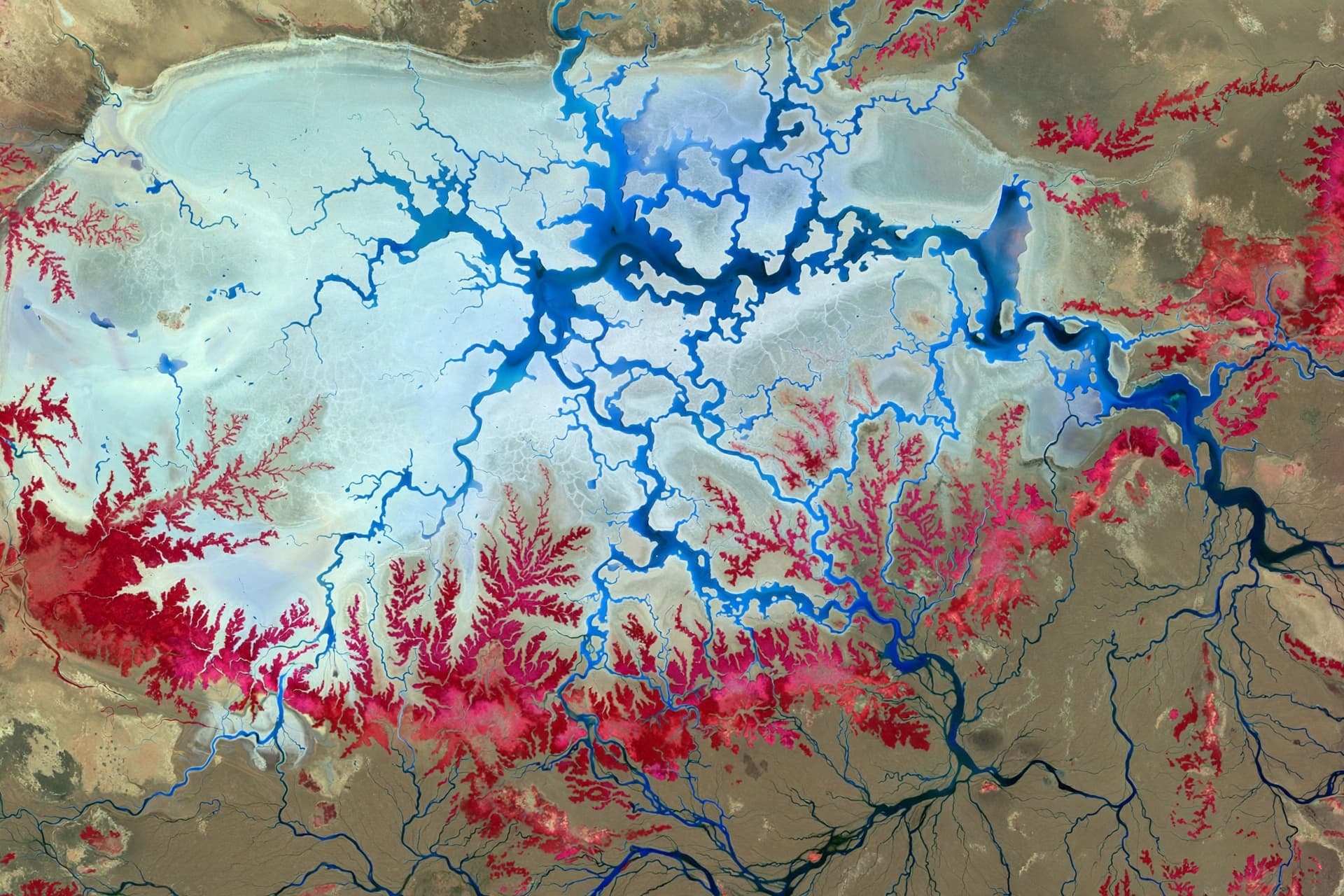
AI Image Disclaimer: The images provided are AI-generated to visually represent the technological and humanitarian aspects of the story.
Sources: Politico Europe European Commission Al Jazeera Reuters
Published by Banx Network. This article is part of the Banx decentralized media programme, powered by the BXE token on the XRP Ledger.