
The search for a lower-carbon future resembles the work of assembling a complex puzzle, where no single piece provides the entire picture. Around the world, researchers continue evaluating multiple approaches that could reduce greenhouse gas emissions while supporting economic development. A new American study has examined how carbon capture technologies compare with renewable energy strategies under different conditions.
Researchers analyzed the performance, economic feasibility, and environmental impact of carbon capture systems alongside renewable energy solutions such as wind and solar power. Their objective was not to identify a universal replacement but to understand how each approach may contribute to broader climate goals.
Carbon capture technology works by collecting carbon dioxide emissions from industrial facilities before they enter the atmosphere. The captured gas can then be stored underground or utilized in selected industrial processes, depending on available infrastructure and technological capabilities.
Renewable energy, meanwhile, focuses on reducing emissions by replacing fossil fuel generation with cleaner electricity sources. Solar panels, wind turbines, and other renewable technologies continue expanding worldwide as costs decline and energy demand grows.
The researchers concluded that both strategies offer benefits under different circumstances. Industries that are difficult to decarbonize may benefit from carbon capture technologies, while renewable energy remains an effective solution for reducing emissions across electricity generation and other sectors.
Scientists emphasized that long-term climate strategies are likely to involve a combination of technologies rather than relying on a single approach. Continued research, infrastructure investment, and policy development will help determine how these solutions can complement one another.
The study also highlights the importance of ongoing innovation. Improvements in energy storage, carbon capture efficiency, and renewable power generation continue reshaping the range of available options for reducing emissions while maintaining reliable energy supplies.
Although scientific debate continues regarding the optimal balance between various technologies, researchers agree that expanding evidence-based analysis remains essential. Careful evaluation allows governments, industries, and communities to make informed decisions as energy systems continue evolving.
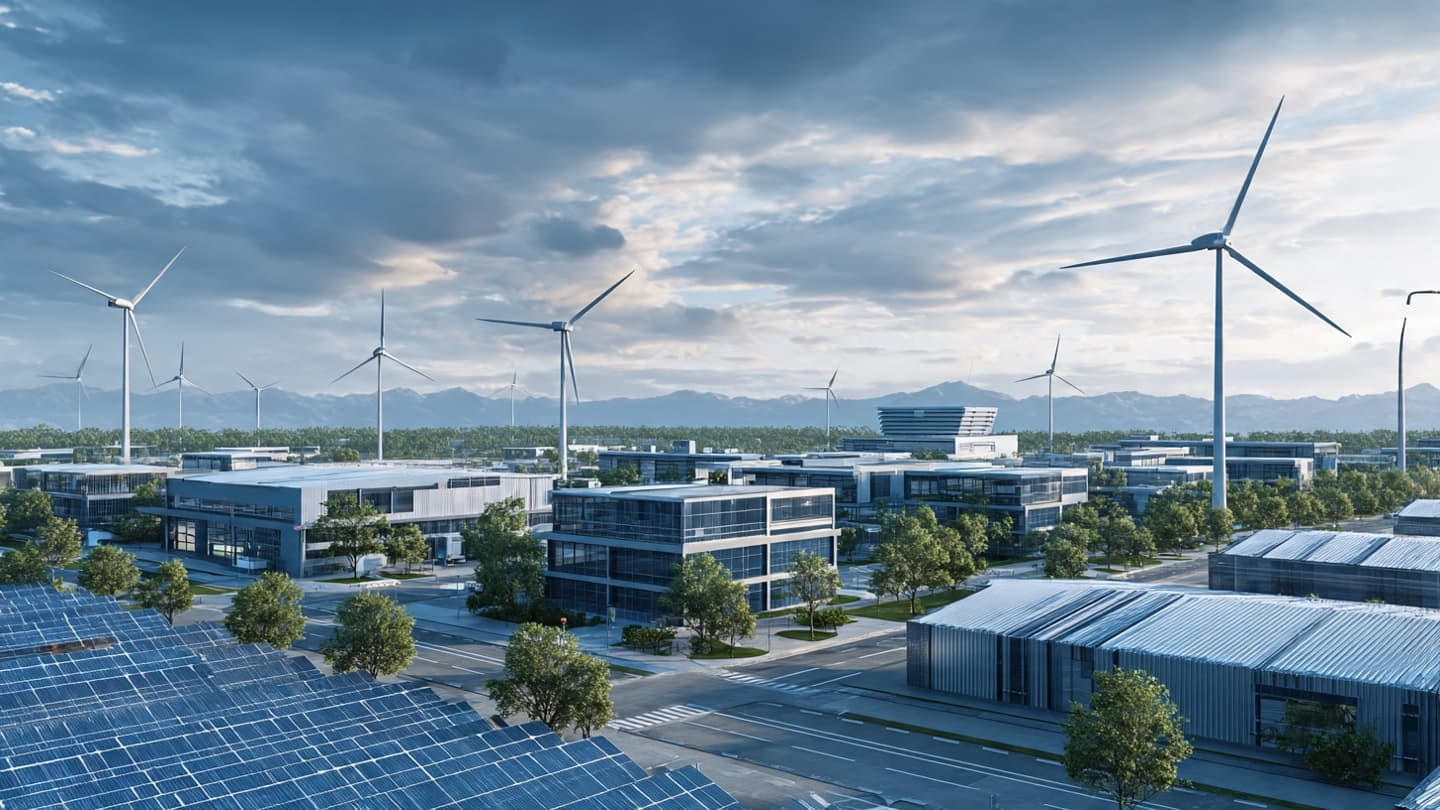
AI Image Disclaimer: The accompanying illustration was generated using artificial intelligence for editorial purposes and is intended only as a conceptual visualization.
Source Verification Check: Boston University, Communications Sustainability, Reuters
Published by Banx Network. This article is part of the Banx decentralized media programme, powered by the BXE token on the XRP Ledger.



