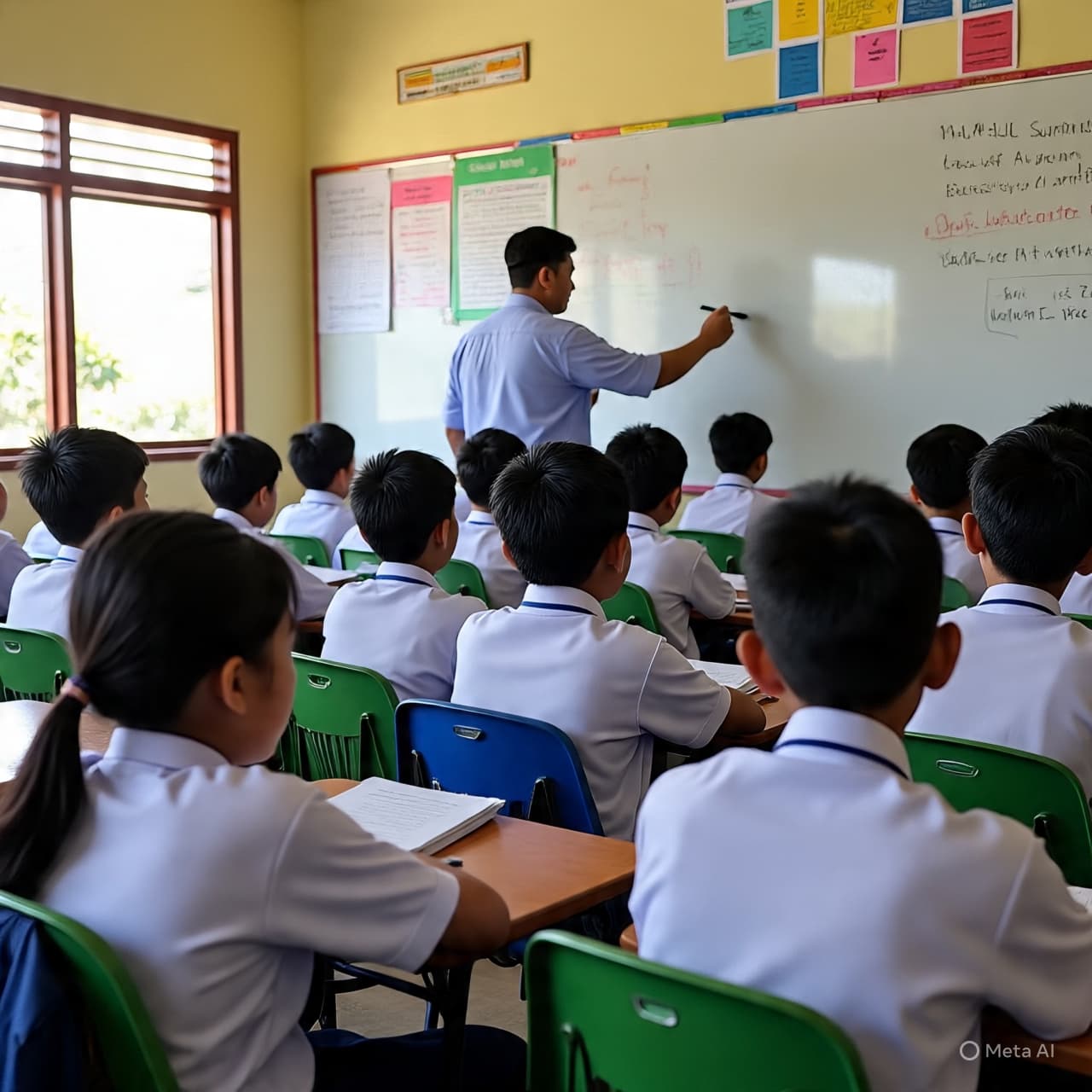
In classrooms across Malaysia, where languages flow like threads in a woven tapestry, a fresh policy shift has drawn both conversation and contemplation. Students from Chinese independent schools — long part of the country’s distinctive educational landscape — will now face new academic requirements if they wish to enter public universities.
Under guidelines announced by the Malaysian government, aspiring undergraduates from Chinese independent school backgrounds will need to demonstrate proficiency in Bahasa Malaysia (Malay) and Malaysian history as a condition for admission to public higher‑education institutions. The aim, officials say, is to strengthen national unity and ensure that students from diverse schooling pathways share a common grounding in the country’s language and heritage.
The policy pertains specifically to students whose primary education has been through Chinese independent schools — a network of private institutions that follow curricula distinct from the Malay‑medium national schools. These schools traditionally emphasise Chinese languages and literature alongside international examination systems, and their graduates have historically sought places in public universities under various entry routes.
Education authorities explained that the new requirements are part of a broader effort to foster cross‑cultural understanding and integration among university entrants, ensuring that all students — regardless of background — have a foundation in Malaysia’s national language and the historical narrative that shapes its society. Bahasa Malaysia is enshrined in the constitution as the national language, and history education forms a core part of national identity development.
Proponents of the move argue that mastering the national language and appreciating the country’s collective past help prepare students not just academically, but socially, for participation in a plural society. They say that shared knowledge can be a bridge between communities and support cohesion as students transition to diverse university environments.
Critics, however, have expressed concern that the change may place additional pressure on Chinese independent school students already navigating rigorous academic workloads. Some parents and educators worry that the new requirements could disadvantage otherwise qualified candidates who have focused on different curricula, particularly if adequate preparatory support is not readily accessible.
Students themselves have offered a range of reactions: some see value in strengthening their Malay language skills and understanding of national history, while others question the timing and implementation of the policy, urging clear guidelines and resources to help them meet the expectations.
The government has said it will provide transitional support and materials to help schools and students manage the changes, including language programmes and history modules tailored to bridge gaps between school curricula.
As the first cohort of students to be affected by the policy prepares for their final examinations, educators and policymakers will watch closely to see how the new requirements influence both university admissions and student experiences.
In a nation where languages and cultures intertwine, the policy stands as a reminder that education is not only a matter of knowledge but of shared understanding — a dialogue between personal aspiration and the collective story that binds a country together.
AI Image Disclaimer “Visuals are created with AI tools and are not real photographs.”
Sources The Straits Times Channel NewsAsia (CNA) The Star (Malaysia) Bernama Malay Mail
Published by Banx Network. This article is part of the Banx decentralized media programme, powered by the BXE token on the XRP Ledger.