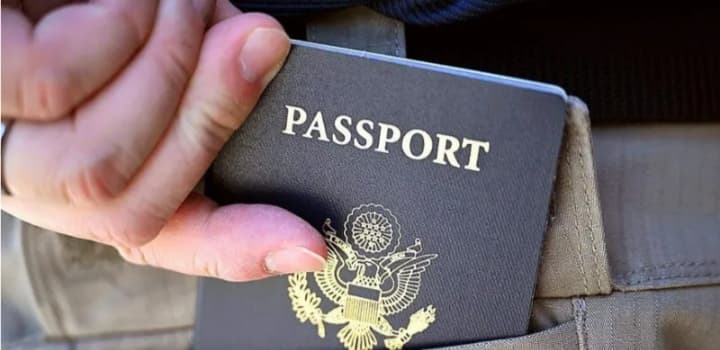
Mali and Burkina Faso have announced a travel ban on US citizens, a move seen as retaliatory in nature amid heightening diplomatic tensions between the countries. This decision comes in response to earlier restrictions placed by the United States on travelers from these West African nations, citing security concerns.
The bans reflect a deteriorating relationship characterized by mutual accusations and growing skepticism. Both Mali and Burkina Faso have experienced significant political upheaval and security challenges, particularly related to jihadist violence. In light of these issues, local governments argue that the US restrictions unfairly depict their countries as unsafe, thus prompting this countermeasure.
Officials in both nations have emphasized the importance of national sovereignty and the need to protect citizens from what they perceive as undue interference. The travel restrictions raise concerns about impacts on tourism, business relations, and humanitarian efforts in the region.
The US State Department has reiterated its advisory for citizens to exercise caution when traveling to Mali and Burkina Faso, citing potential risks associated with civil unrest and terrorism. As these nations respond with their own travel bans, the situation underscores the complex web of international relations and the challenges faced by citizens amid diplomatic disputes.
As the standoff continues, both nations and the US are likely to engage in further dialogue to address these tensions, although the effectiveness of such discussions remains uncertain. The developments serve as a stark reminder of how geopolitical issues can directly affect the lives of everyday citizens.
Published by Banx Network. This article is part of the Banx decentralized media programme, powered by the BXE token on the XRP Ledger.