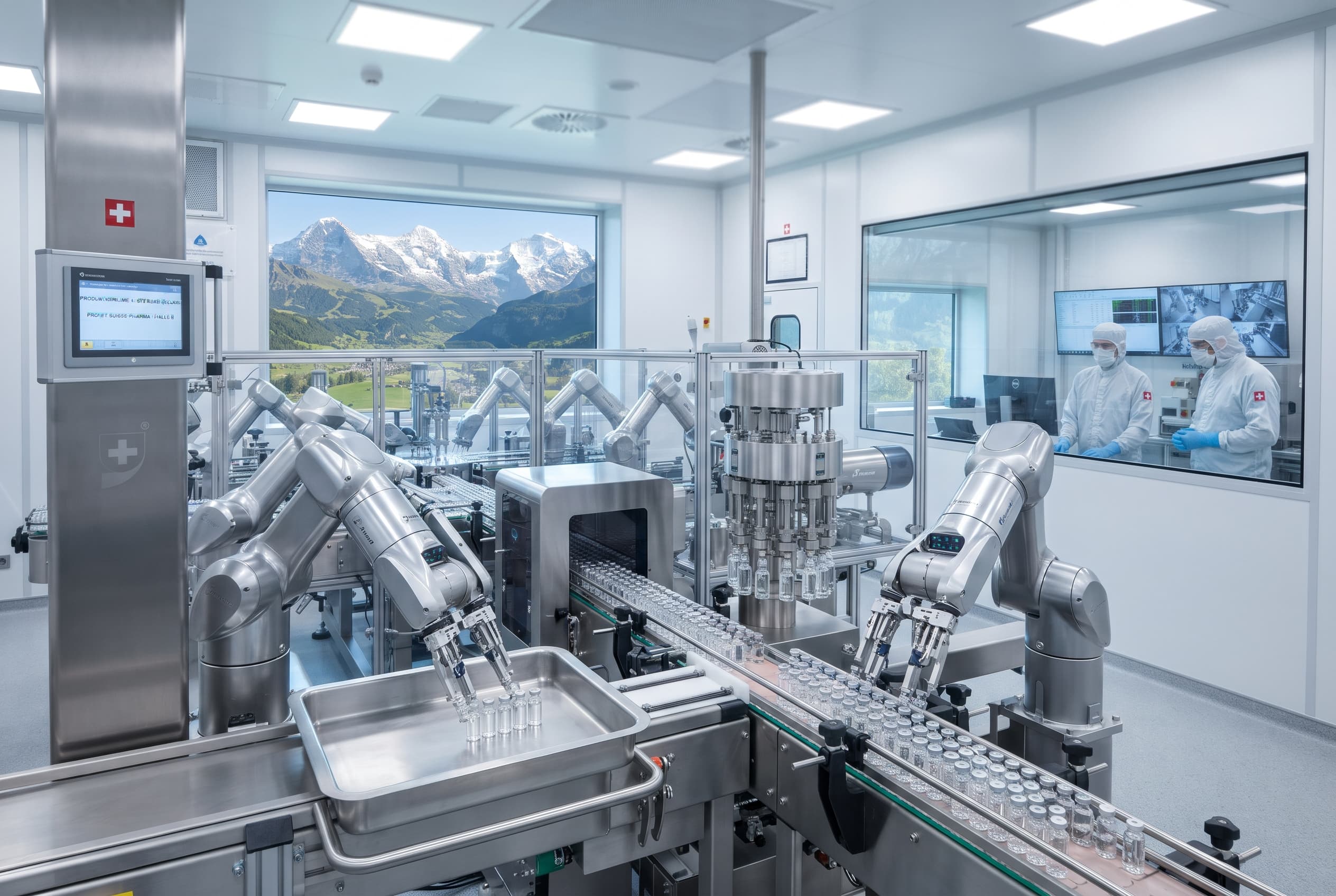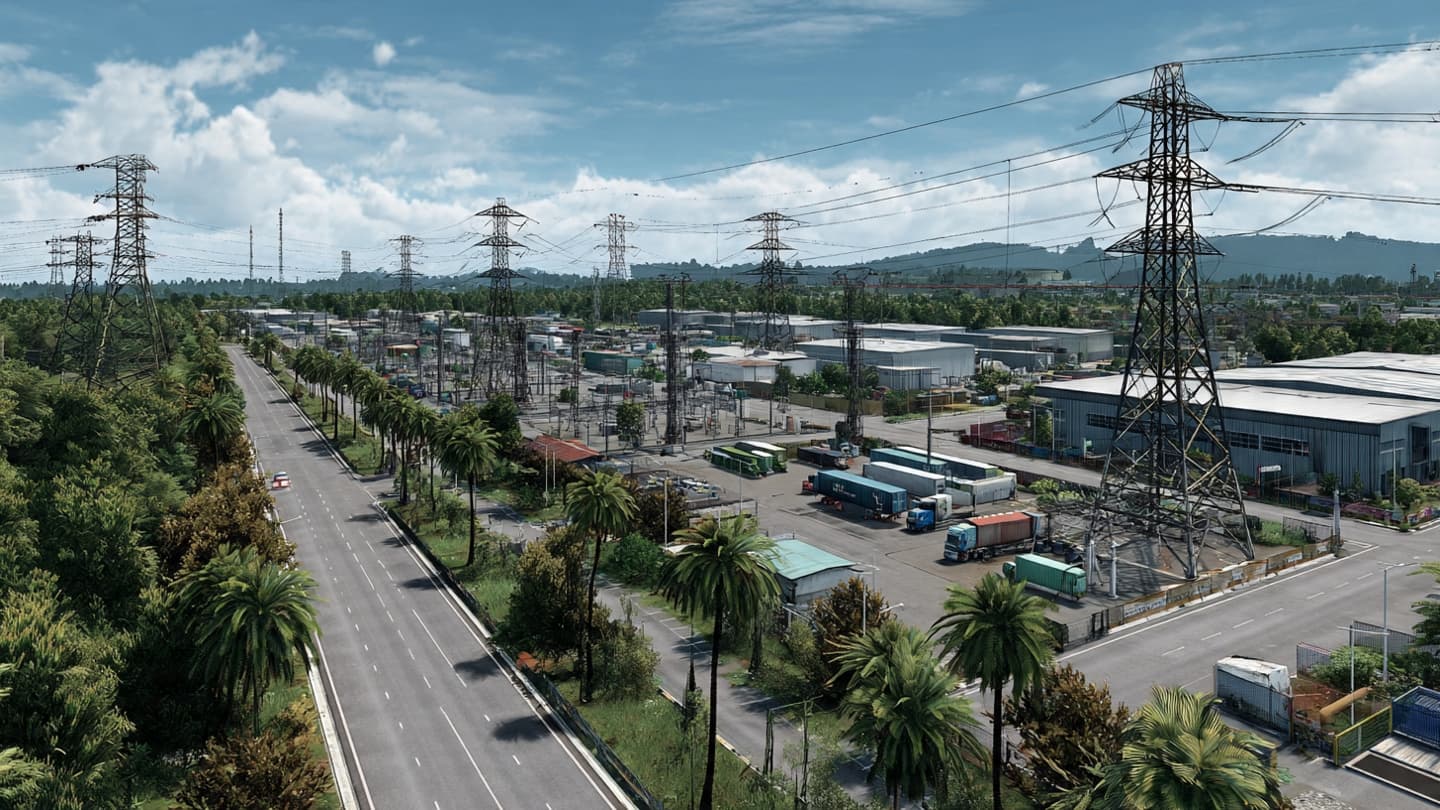
The industrial landscape of Malaysia begins long before the first office lights come on. Inside factories, production lines are already moving, electricity networks are carrying their loads, and raw materials are being processed for markets at home and abroad. June brought a stronger rhythm to that landscape, with Malaysia’s industrial production rising 6.5% year over year.
The increase covered the country’s main industrial sectors, including manufacturing, mining, and electricity. The performance offered another indication that industrial activity remained relatively firm during the middle of the year, even as businesses continued to navigate changing global demand and costs.
Manufacturing remains the largest component of Malaysia’s industrial economy and has become increasingly connected to global technology supply chains. Electronics, electrical products, semiconductors, machinery, and other manufactured goods form an important part of the country’s export base.
The semiconductor industry is particularly significant. Malaysia has developed decades of experience in semiconductor assembly, testing, and related activities, while recent investment has increasingly focused on expanding higher-value capabilities. Global demand for chips and electronics therefore continues to influence the country’s industrial performance.
Mining also contributed to the overall production picture. Malaysia has an established resource sector, and movements in mining output can affect industrial statistics even as the economy gradually becomes more diversified toward technology and services.
Electricity production provides another window into economic activity. Rising industrial output generally requires reliable energy, while changes in electricity generation and consumption can reflect broader movements in manufacturing and commercial operations.
The June data arrives during a period when Malaysia is attracting significant new investment. Data centers, semiconductor facilities, advanced manufacturing projects, and related infrastructure are expanding the country’s industrial footprint. These projects can take time to become fully operational, but their construction and eventual production capacity are expected to influence future industrial activity.
At the same time, Malaysia remains closely tied to external markets. Changes in demand from major trading partners can quickly affect factory orders and exports. This makes the country’s industrial performance partly dependent on conditions beyond its own borders.
For now, the 6.5% increase provides a relatively strong snapshot of Malaysia’s industrial momentum. Manufacturing, mining, and electricity all contributed to the result, while investment in technology and infrastructure continues to reshape the country’s production landscape. The months ahead will show whether that momentum can remain steady as global markets continue to evolve.
AI Image Disclaimer These visuals were generated through AI tools for illustrative use and should not be regarded as photographs of actual Malaysian industrial facilities.
Published by Banx Network. This article is part of the Banx decentralized media programme, powered by the BXE token on the XRP Ledger.