The machines inside Malaysia’s growing data centers rarely reveal how much heat they produce. Behind their quiet walls, however, thousands of servers operate continuously, generating enormous amounts of information—and an equally persistent need for electricity and cooling. As temperatures rise, that hidden demand is becoming increasingly visible.
Data centers accounted for a record 9.3% of Malaysia’s overall electricity consumption during the second week of August, according to the Energy Commission. That compares with an average share of around 7% for the year so far.
The increase was closely connected to the weather. Energy Commission chief executive Siti Safinah Salleh said hotter conditions required cooling systems to consume more electricity, creating an additional layer of demand at a time when Malaysia is already experiencing rapid growth in digital infrastructure.
Malaysia has become one of Southeast Asia’s fastest-growing data center markets, attracting billions of dollars of investment from major technology companies. The expansion has been encouraged by the country’s strategic location, connectivity and access to energy resources, while demand for artificial intelligence computing has added another powerful force behind the development.
But the growth of data centers changes the relationship between digital infrastructure and the physical electricity grid. A cloud service may appear weightless to the consumer, yet the servers supporting it require power continuously, while increasingly sophisticated cooling systems are needed to keep equipment operating safely.
Malaysia is simultaneously navigating a longer-term energy transition. The country plans to retire its final coal-fired power plants by 2044, while authorities estimate that around 9 gigawatts of additional gas-fired capacity will be needed by 2032.
The immediate challenge is particularly notable because no additional gas-fired power capacity is expected to come online during 2026 and 2027. Officials have said existing generation infrastructure will be optimized to manage rising demand during that period.
Weather conditions add another variable. Lower water levels at hydroelectric dams have also placed pressure on the energy system, while officials said the period of unusually hot weather was not expected to continue beyond early September.
For Malaysia, the situation illustrates how the AI and data-center boom is increasingly tied to questions far beyond technology. Electricity generation, cooling efficiency, grid investment and climate conditions are becoming part of the same conversation.
The country’s digital expansion is therefore entering a more physical phase. Behind every new server cluster stands a network of power stations, transmission lines and cooling systems. As Malaysia continues to attract data-center investment, managing that infrastructure may determine how smoothly its digital ambitions can grow.
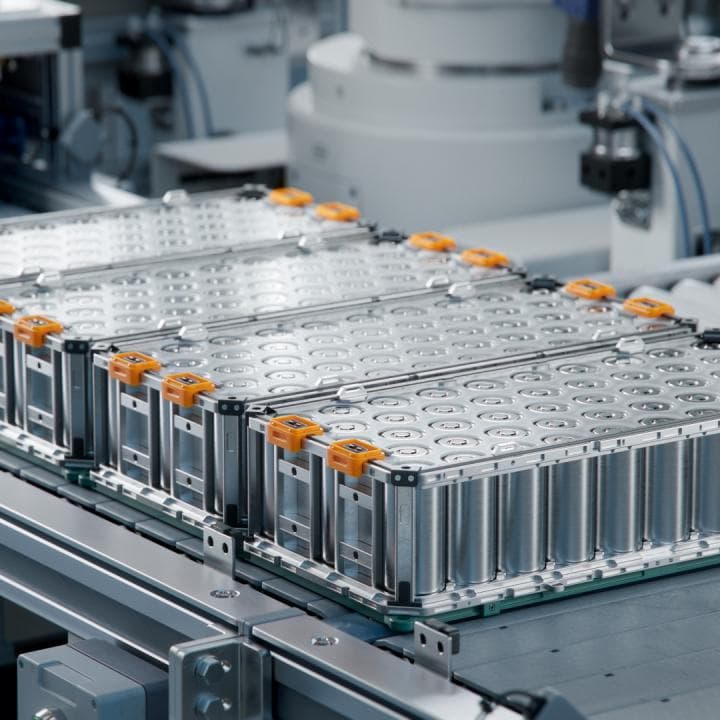
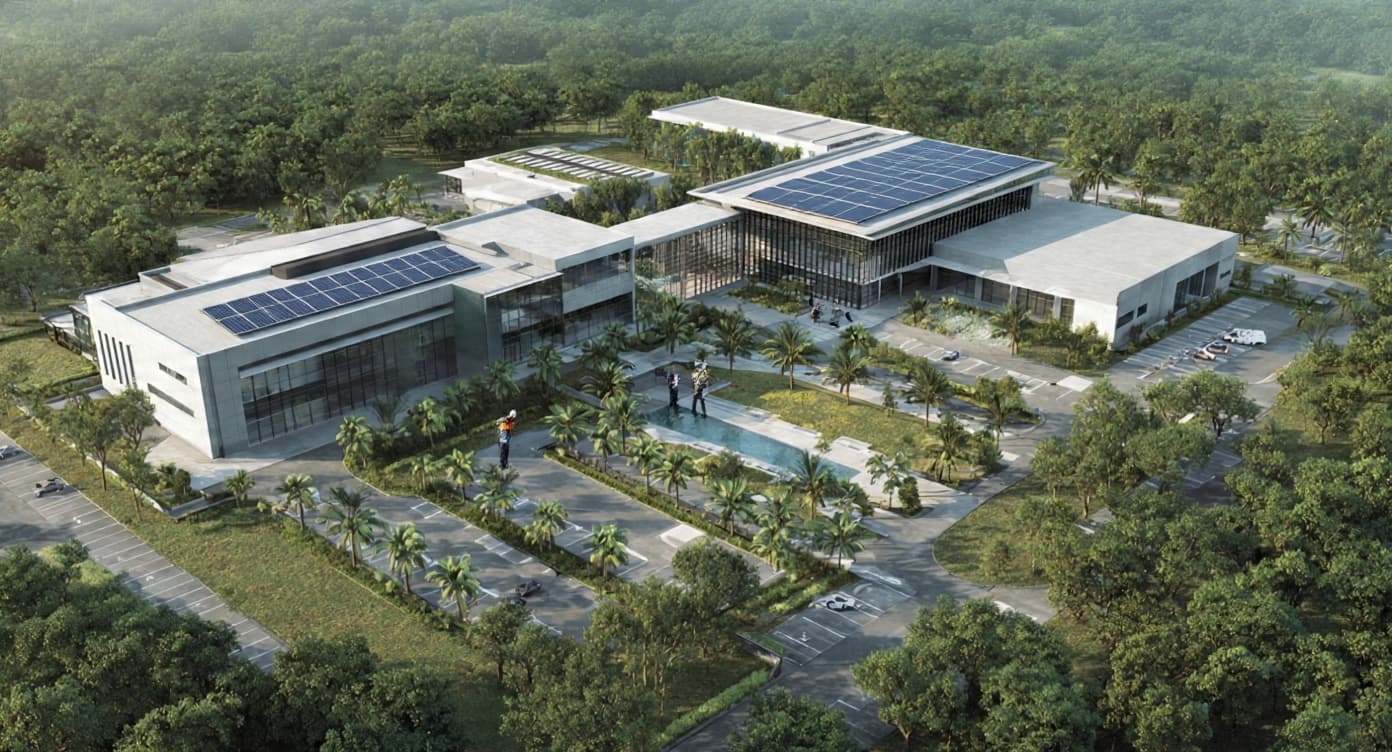
AI Image Disclaimer: The following illustrations are AI-generated conceptual visuals created for editorial use and do not depict specific Malaysian data centers or actual reported scenes.
Sources: Reuters Malaysia Energy Commission Malaysia Ministry of Economy
Published by Banx Network. This article is part of the Banx decentralized media programme, powered by the BXE token on the XRP Ledger.