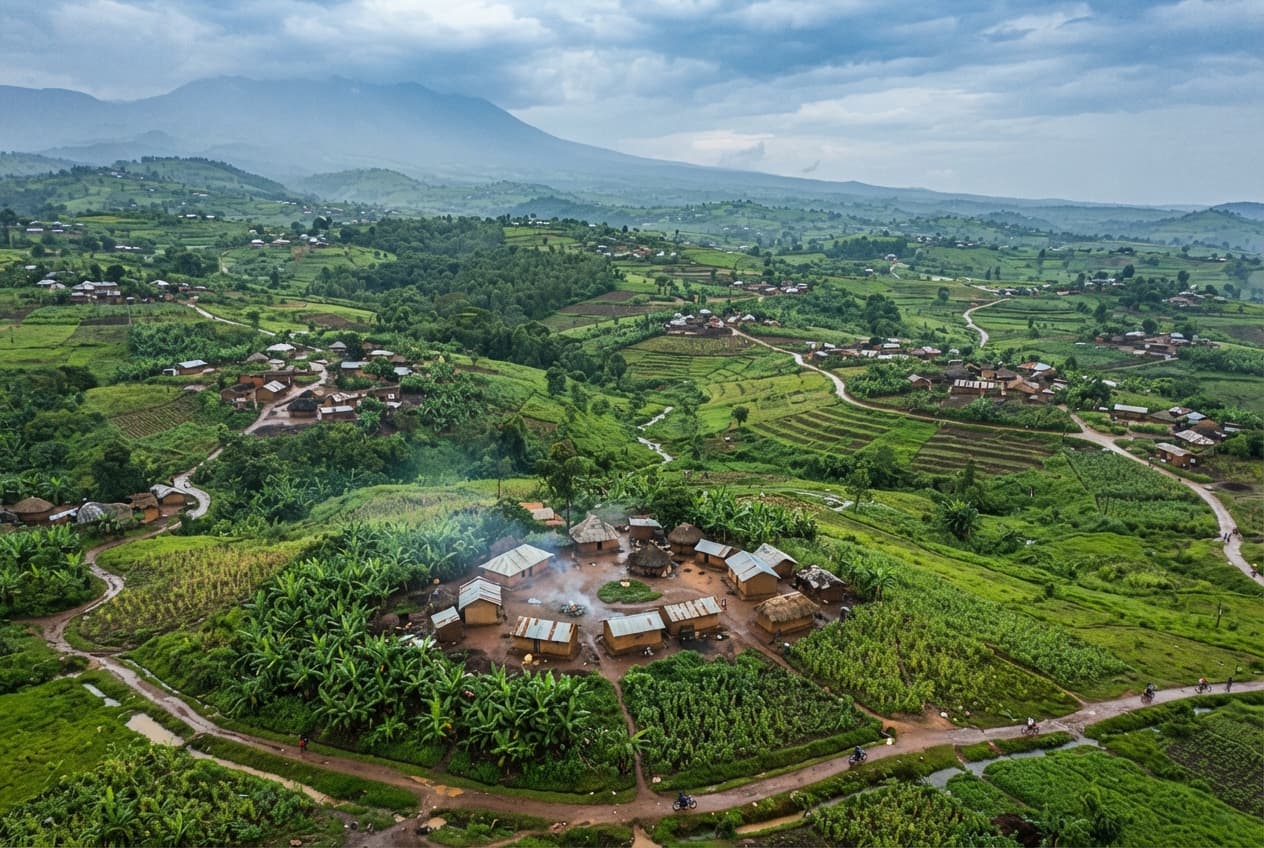
Kampala, Uganda—Twelve people have died from a sudden, sharp spike in malaria cases across eastern districts during the last seven days. Local health clinics are currently overwhelmed, reporting patient numbers that have eclipsed available stocks of antimalarial medication and diagnostic rapid test kits. Health officials attribute the sudden surge to a recent combination of high rainfall and stagnant water that has catalyzed mosquito breeding rates. Families are traveling long distances to reach hospitals, only to find waiting rooms crowded and essential drugs in short supply.
The Ministry of Health has deployed rapid response teams to the most affected rural clusters to assist with large-scale indoor residual spraying and net distribution. Many patients arriving at health centers are already in severe stages of the illness, suffering from high fever, anemia, and neurological complications. Medical personnel are working double shifts, but they warn that the current resource gap is critical. Villagers report that public health sensitization efforts have been limited in recent months, leaving many without the knowledge needed for early symptom recognition.
Community leaders are pleading for urgent government intervention to restock district pharmacies and provide emergency transport for the critically ill. The burden on the rural healthcare system is becoming unsustainable as the outbreak shows no signs of slowing down before the end of the month. Environmental health workers are attempting to drain areas of standing water, but the sheer scale of the landscape makes rapid progress impossible. The government has promised to redirect emergency medical supplies from the capital, yet logistical delays persist.
Public awareness campaigns have been restarted, emphasizing the importance of sleeping under treated nets and clearing potential breeding grounds near household perimeters. Health directors remain concerned about the vulnerability of children under five and pregnant women, who are disproportionately affected by the parasite. The situation in the eastern districts remains a top priority for the national health department as surveillance teams track the spread. Local residents continue to pray for an immediate influx of help to break the current cycle of infection.
Published by Banx Network. This article is part of the Banx decentralized media programme, powered by the BXE token on the XRP Ledger.