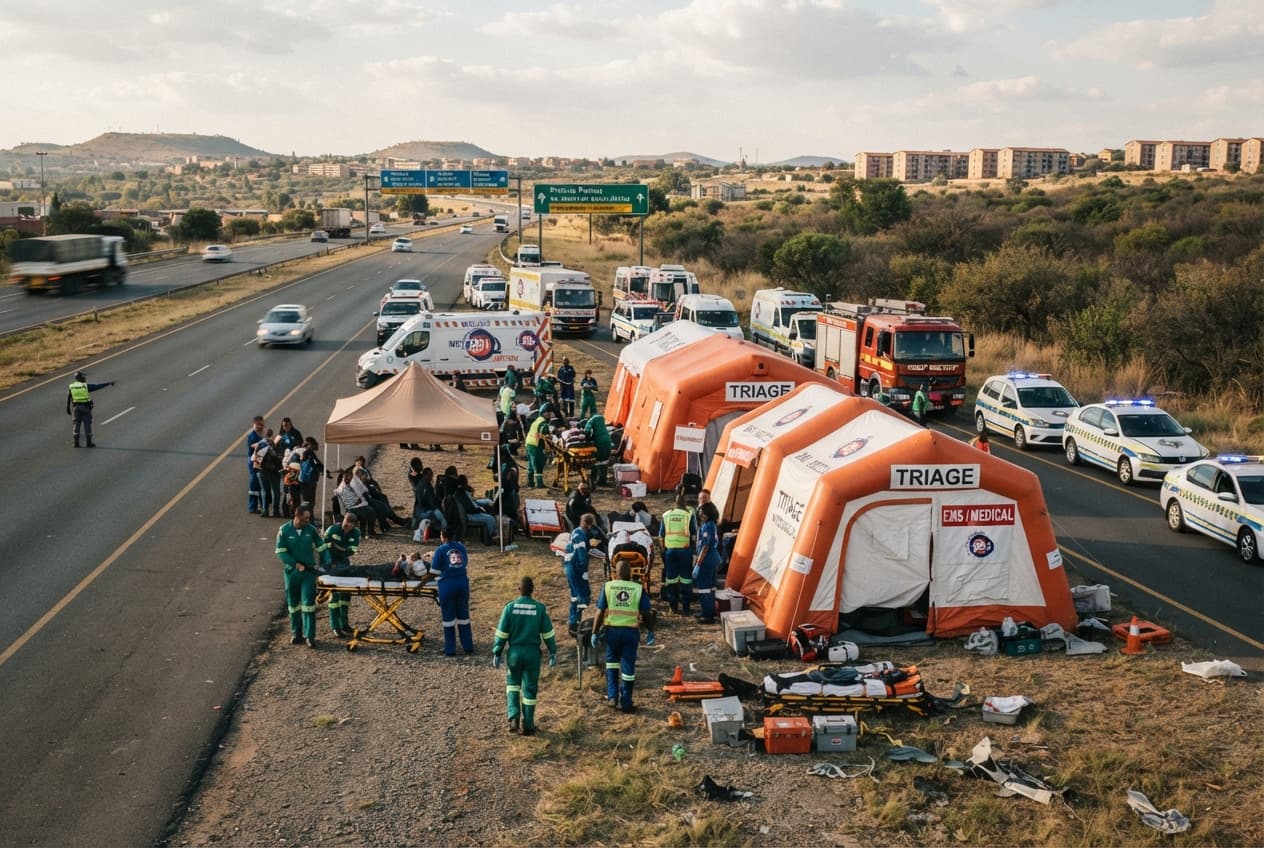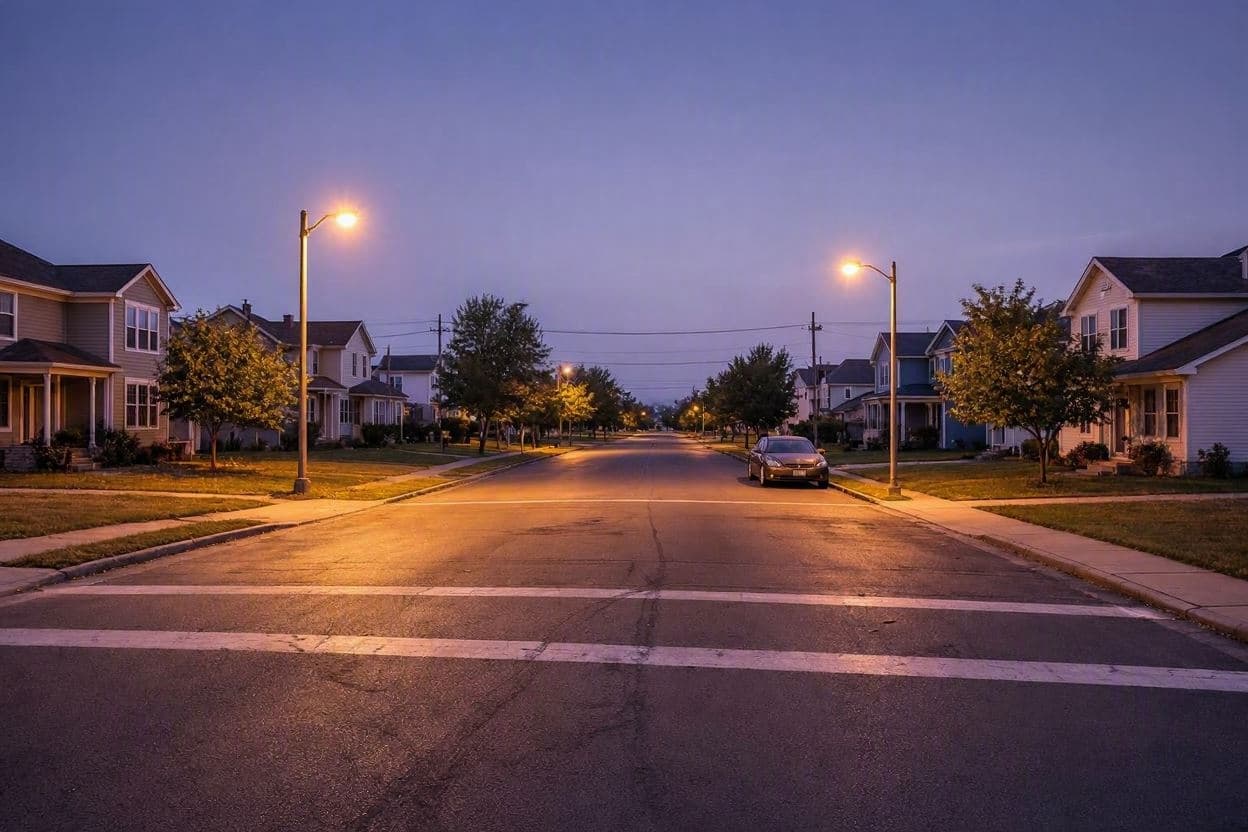
Intersections are the quiet crossroads of our daily lives, places where paths converge and diverge in a rhythm we often take for granted. Yet, when tragedy strikes at these junctions, the silence that follows is deafening, transforming familiar corners into sites of profound grief. In West Ottawa, a community has been shaken by a fatal crash, prompting residents to unite in a call for safety improvements. This collective voice is not merely a demand for change but a heartfelt plea to protect neighbors and loved ones from future harm. It invites us to reflect on how we design our shared spaces and the responsibility we hold to ensure they are safe for all who traverse them.
The incident occurred at an intersection that locals have long identified as problematic. For years, residents have noted issues with visibility, traffic speed, and signal timing, concerns that were often dismissed as minor inconveniences until now. The fatality has served as a tragic catalyst, bringing these longstanding grievances to the forefront of public discourse. It highlights the gap between perceived risk and actual danger, reminding us that statistical probabilities mean little to those who lose someone they love. The community’s response is rooted in a desire to prevent such pain from recurring.
Residents are advocating for specific infrastructure changes, such as improved lighting, clearer signage, and perhaps even traffic calming measures like roundabouts or speed bumps. These requests are grounded in practical experience, as those who live and drive in the area understand its nuances better than any remote planner might. Their proposals reflect a deep engagement with their environment, showing how local knowledge can inform better urban design. By listening to these voices, city officials can gain valuable insights that data alone may not provide.
The emotional toll on the community is significant. Neighbors gather to share memories of the victim, offering support to the grieving family and processing their own shock. Vigils and community meetings become spaces for collective mourning and action, transforming sorrow into solidarity. This sense of unity is a powerful force, demonstrating that communities can come together to advocate for positive change in the face of adversity. It reinforces the social fabric, making the neighborhood stronger through shared purpose.
City planners and engineers face the challenge of balancing safety with traffic flow and budget constraints. Implementing changes requires careful study, public consultation, and funding allocation. While the process may seem slow to those eager for immediate results, thorough planning ensures that solutions are effective and sustainable. The current push from residents adds urgency to this process, encouraging officials to prioritize this intersection in upcoming infrastructure reviews. It is a test of responsiveness and civic duty.
This situation also raises broader questions about pedestrian and cyclist safety in urban areas. As cities grow and traffic volumes increase, the need for robust safety measures becomes more critical. West Ottawa’s experience mirrors challenges faced by communities worldwide, highlighting the universal importance of safe street design. Sharing best practices and learning from local successes can help other regions improve their own infrastructure. It is a global conversation with local roots.
Media coverage has amplified the residents’ voices, bringing attention to the issue beyond the immediate neighborhood. Public awareness can influence political will, encouraging elected officials to allocate resources for safety improvements. The story serves as a reminder that civic engagement matters, and that persistent advocacy can lead to tangible results. It empowers other communities to speak up when they identify risks in their own environments.
As the community waits for action, they remain vigilant, watching for near-misses and documenting conditions. This ongoing monitoring provides valuable data for authorities and keeps the issue alive in public consciousness. The hope is that their persistence will lead to a safer intersection, honoring the memory of the lost life by protecting others. It is a testament to the resilience and care of the human spirit.
The call for improvements at a West Ottawa intersection highlights the community’s commitment to safety and justice. It underscores the need for responsive urban planning and civic engagement. Let us hope for swift and effective action.
AI Image Disclaimer: Please note that any visual representations in this article are AI-generated illustrations created for conceptual clarity.
Sources: CBC News Ottawa Ottawa Citizen CTV News Ottawa
Published by Banx Network. This article is part of the Banx decentralized media programme, powered by the BXE token on the XRP Ledger.