
Key Highlights
- Nearly 50% of Hungarians fear election manipulation by Fidesz.
- 48% suspect foreign interference, particularly from Russia.
- Accusations of gerrymandering and a 'mafia regime' emerge.
Hungary's parliamentary elections scheduled for April 12, 2026, are increasingly clouded by concerns regarding electoral integrity. A recent survey conducted by Medián reveals that nearly 50% of the electorate fears that Prime Minister Viktor Orbán's ruling party, Fidesz, may manipulate the election results. In stark contrast, only about 20% of respondents express similar suspicions regarding the opposition party, Tisza.
These apprehensions stem from a pervasive atmosphere of distrust that has characterized Hungarian politics in recent years. Alongside domestic concerns, the survey indicates that 48% of voters believe that Russia may attempt to interfere in the electoral process, reflecting a growing wariness about foreign influence in Hungary's political landscape.
The potential for external meddling has gained attention due to recent reports linking Russian operatives to efforts aimed at skewing electoral outcomes. Allegations suggest that Orbán's administration has cultivated ties with Moscow, leading to suspicions that the Kremlin might seek to influence the vote in favor of Fidesz.
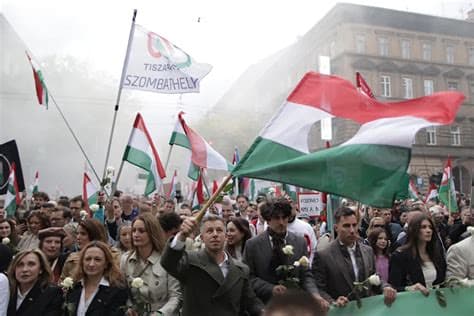
As the political climate heats up, accusations of gerrymandering and manipulation of poll data have emerged, with many voters questioning the legitimacy of the electoral process under the current administration. The Tisza party, led by Péter Magyar, has accused Fidesz of operating a 'mafia regime' and has vowed to investigate any corruption within the government should they secure victory.
The backdrop of these elections is further complicated by narratives from various media outlets and political analysts, suggesting that previous elections have not only been 'not free and fair' but could also have broader implications if foreign interference is confirmed. This sentiment underscores the importance of maintaining democratic principles in Hungary, which resonate beyond its borders.
As the election date approaches, both validation and skepticism about the electoral process remain high. Observers are urging international organizations to monitor the situation closely to uphold democratic standards in Hungary. The stakes are not merely about domestic politics; the integrity of the electoral process in Hungary carries significant weight on a broader EU level, emphasizing the need for vigilance in preserving democratic values in the region.
Published by Banx Network. This article is part of the Banx decentralized media programme, powered by the BXE token on the XRP Ledger.



