The earth beneath Papua New Guinea is never truly still. Situated along the volatile Pacific Ring of Fire, the nation is accustomed to the rhythmic tremors of tectonic plates shifting and grinding. Recently, a magnitude 6.4 earthquake struck the region, reminding residents and the world of the powerful geological forces at play. While no tsunami threat was issued, the event serves as a sobering testament to the dynamic nature of our planet and the resilience required to live in such an active seismic zone.
The quake occurred at a depth of approximately 10 kilometers, classifying it as a shallow event which often results in stronger shaking at the surface. Epicenters in this region are common, given the complex boundary where the Pacific Plate meets the Australian Plate. For the people of Papua New Guinea, these earthquakes are part of daily life, requiring constant vigilance and preparedness. Infrastructure is built with these risks in mind, though remote areas remain vulnerable to landslides and disruption.
Emergency agencies monitored the situation closely, assessing potential damage and coordinating response efforts if needed. Fortunately, initial reports indicated no major casualties or widespread destruction. This outcome is a credit to the community’s awareness and the effectiveness of early warning systems. In a region prone to such events, knowledge and preparation are the best defenses against disaster. It is a culture of caution born from experience.
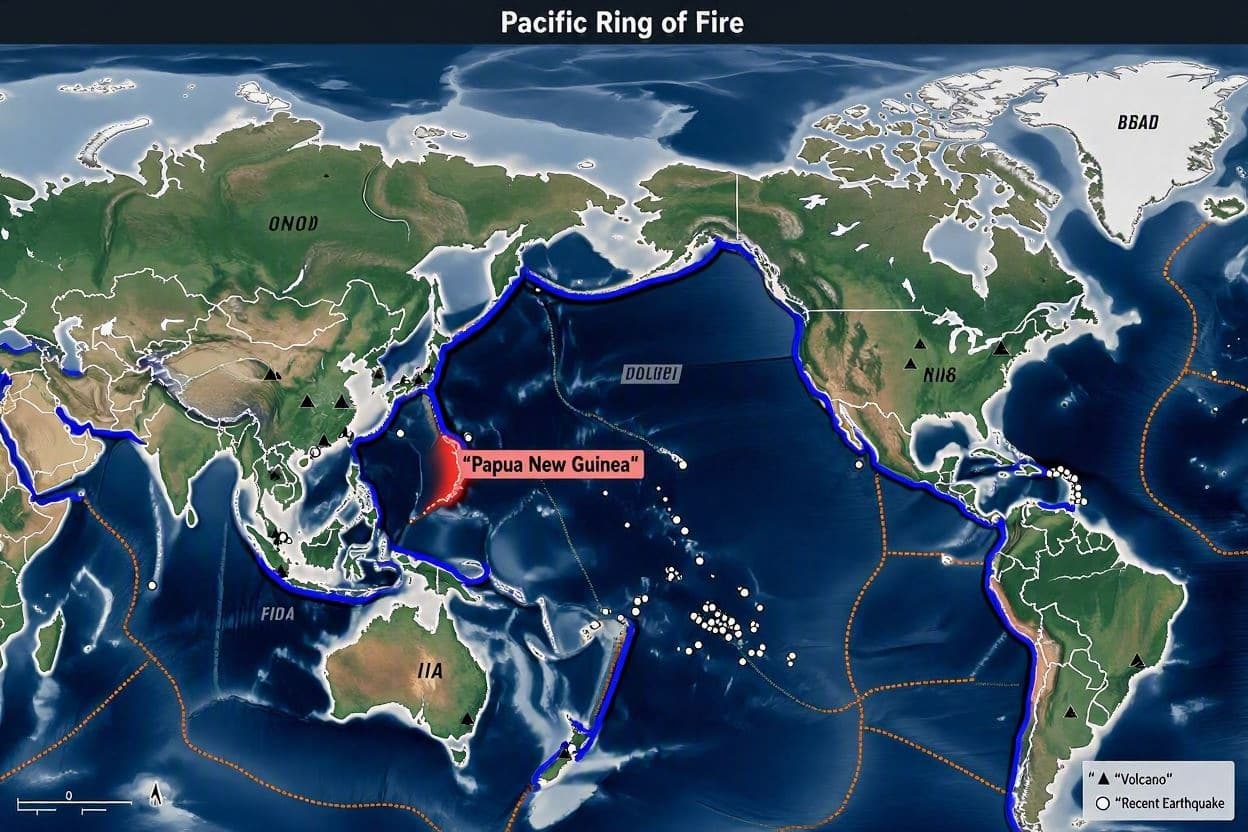
The Pacific Ring of Fire is home to 90 percent of the world’s earthquakes and 75 percent of its volcanoes. This belt of seismic activity stretches from New Zealand to Japan and across to the Americas. Papua New Guinea sits at a critical junction, making it one of the most geologically active places on Earth. Understanding these patterns helps scientists predict risks and improve building codes, saving lives in the process.
For locals, the earthquake was likely a brief interruption rather than a catastrophe. Many continue their daily routines, accustomed to the occasional rumble. However, each event reinforces the need for robust emergency plans. Schools and businesses conduct drills, and families keep supply kits ready. This preparedness is not born of fear but of practical wisdom. It is a way of living in harmony with a restless earth.
International support stands ready should the need arise. Neighboring countries and global organizations maintain partnerships with Papua New Guinea to assist in disaster response. This collaboration highlights the interconnectedness of the region, where natural disasters respect no borders. Sharing resources and expertise strengthens the collective ability to cope with seismic events. It is a network of solidarity in the face of nature’s power.
Scientific study of these earthquakes provides valuable data for understanding plate tectonics. Seismologists analyze the waves and fault movements to refine models of Earth’s interior. Each quake adds to the database, improving our ability to forecast future risks. While prediction remains imperfect, progress is steady. Knowledge is a tool that empowers communities to adapt and thrive.
In the end, the magnitude 6.4 earthquake is a reminder of the earth’s vitality. It shakes the ground but also strengthens our resolve to prepare and protect. Papua New Guinea continues to stand firm, resilient in the face of geological change. The Ring of Fire may be volatile, but the spirit of its people is enduring. We listen to the earth, and we learn.
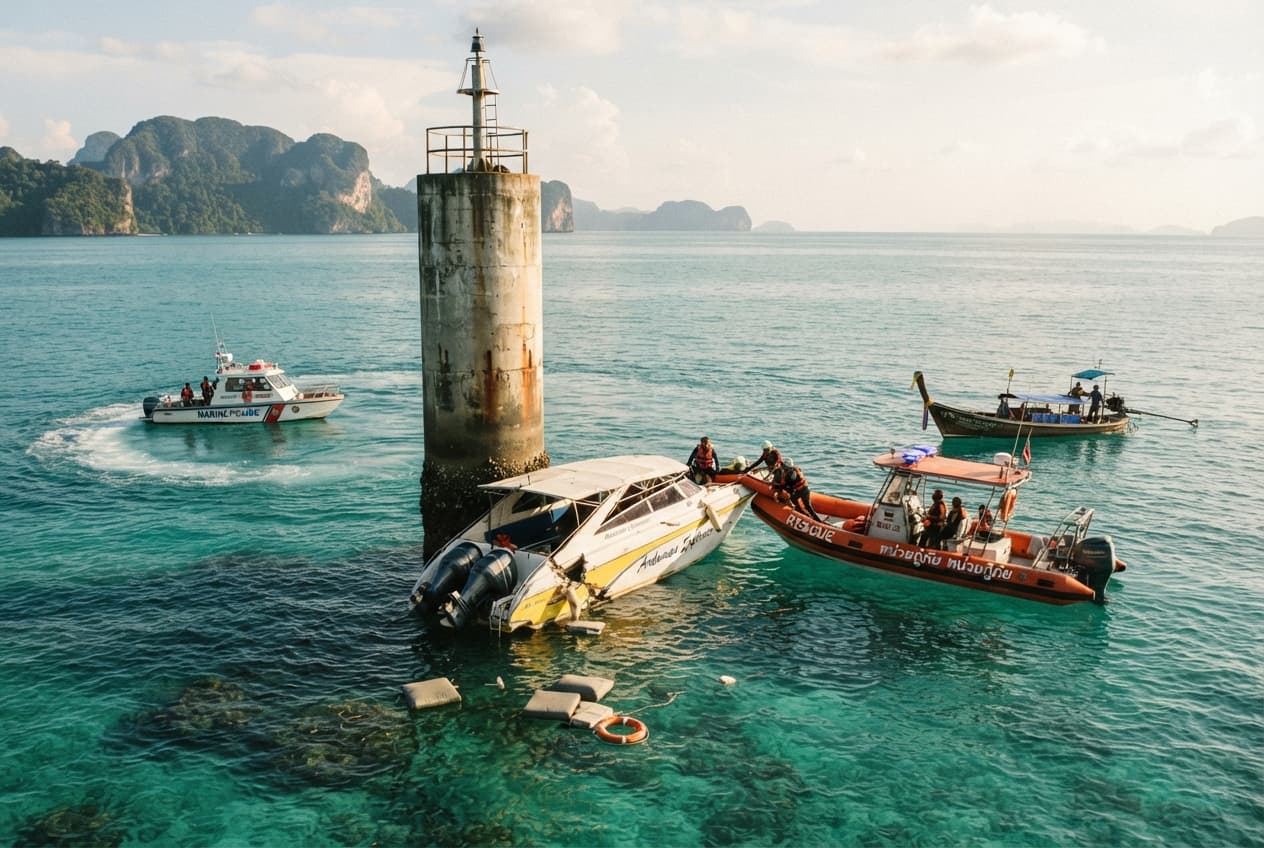
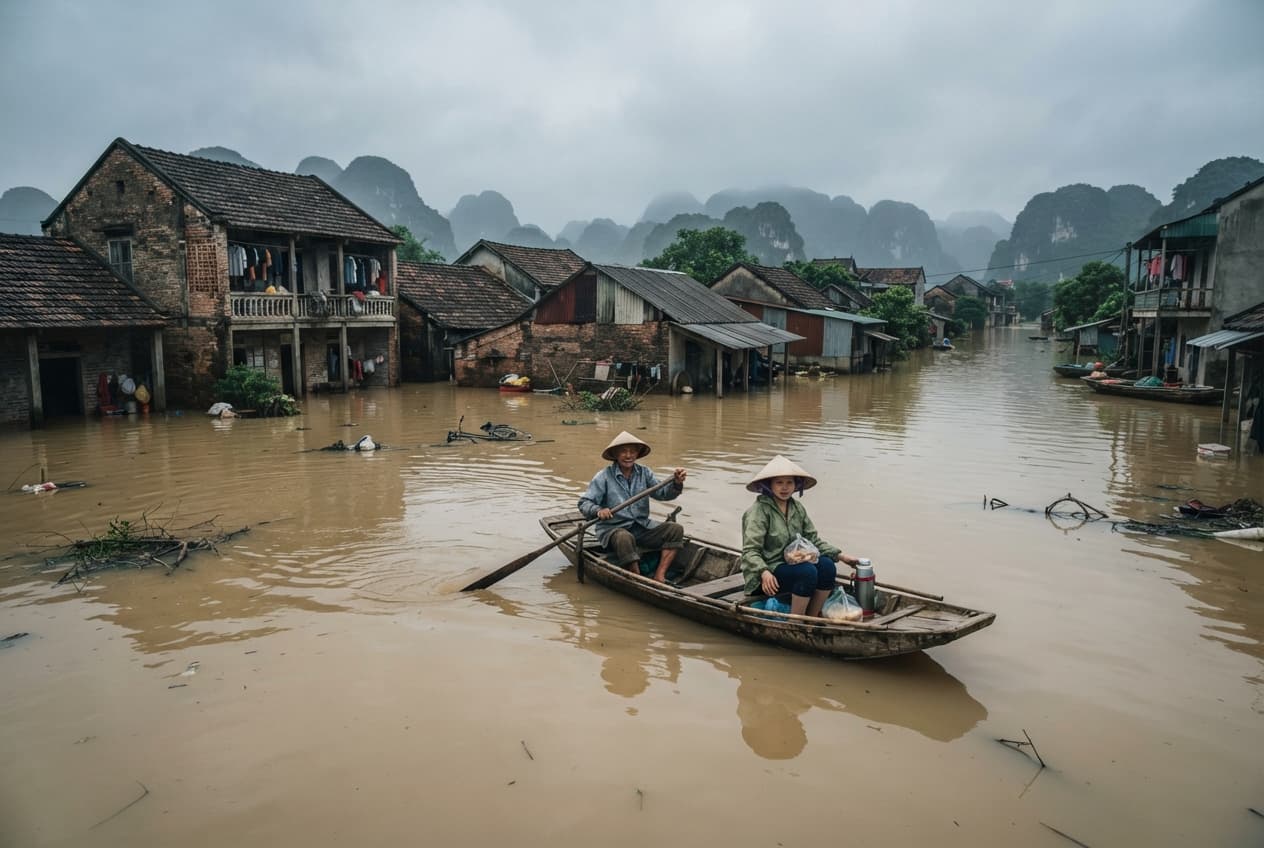
AI Image Disclaimer: The images accompanying this article are AI-generated artistic interpretations of seismic activity and Pacific landscapes, not actual photographs of the specific earthquake or damage in Papua New Guinea.
Sources: USGS Reuters Anadolu Agency
Published by Banx Network. This article is part of the Banx decentralized media programme, powered by the BXE token on the XRP Ledger.