
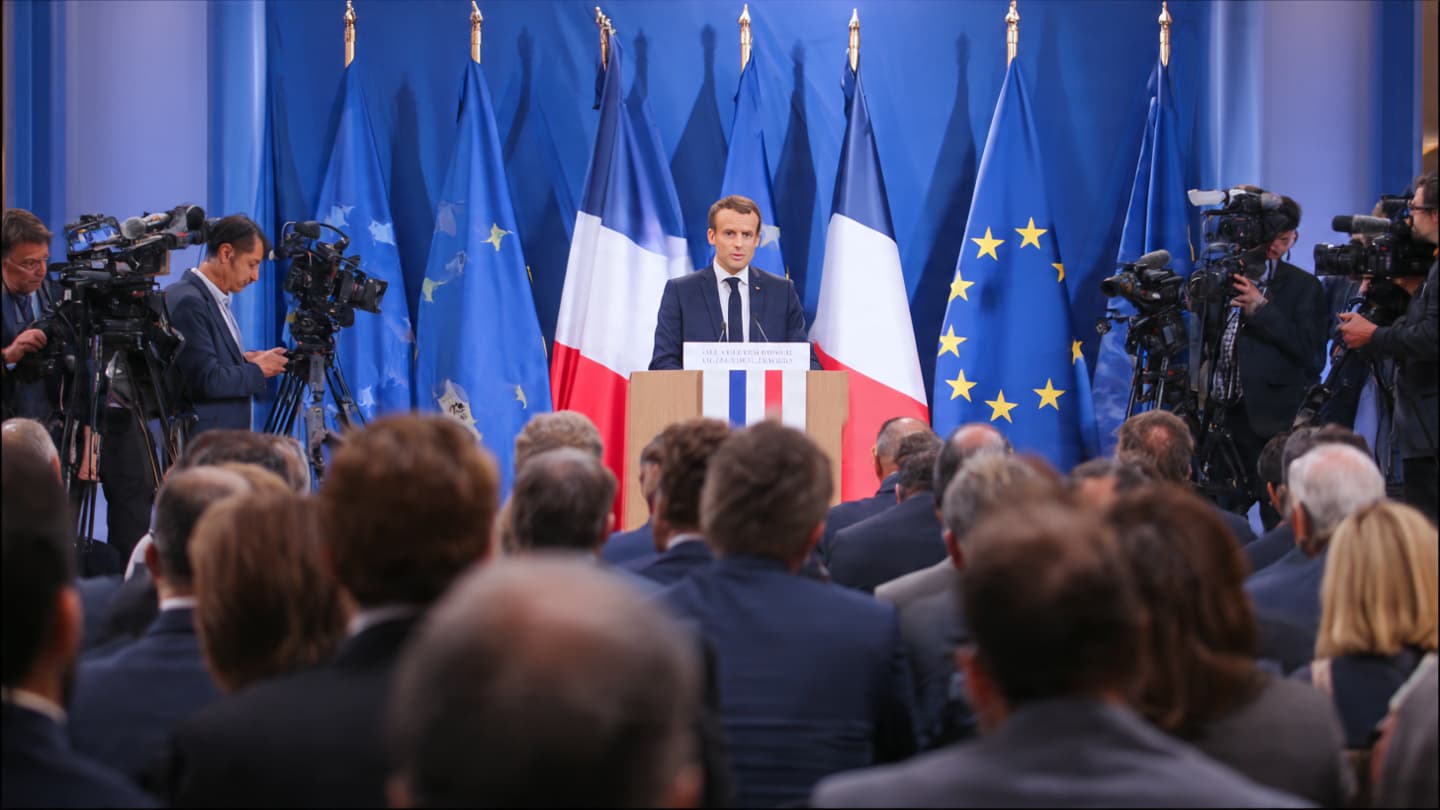
Key Highlights
- Macron's Position: French President Emmanuel Macron defends the digital services tax.
- U.S. Criticism: The U.S. has renewed its criticism of France's tax policy.
- Ongoing Negotiations:Both nations are expected to continue diplomatic discussions.
French President Emmanuel Macron has reiterated his commitment to France's digital services tax, a policy that has drawn renewed criticism from the United States. As international trade discussions evolve, the digital economy has become a focal point, with Macron emphasizing that the tax is essential for ensuring that large multinational technology companies contribute fairly to the French economy. This stance comes ahead of significant international meetings where trade relations will be a key topic.
The digital services tax, which targets tech giants like Google and Facebook, has been a contentious issue between Paris and Washington. Macron argues that the tax reflects France's commitment to fairness in taxation, ensuring that companies generating substantial revenue in France pay their fair share. This has been a point of contention, particularly as the U.S. government has threatened retaliatory measures, including tariffs on French goods, in response to the tax.
Trade analysts suggest that while tensions remain high, both the U.S. and France are likely to prioritize dialogue over escalation. The ongoing negotiations are expected to focus on broader agreements regarding international taxation, which could help alleviate some of the friction between the two nations. Observers note that both sides recognize the importance of maintaining open trade relations, even as they navigate complex issues surrounding digital taxation.
French officials have made it clear that national tax policy will be determined according to French law and international negotiations. They assert that the digital services tax is not only a matter of national interest but also a step towards a more equitable global tax framework for digital services. Macron's administration is keen on ensuring that the tax remains in place, despite external pressures.
As discussions continue, the outcome of these negotiations could have significant implications for international trade and taxation policies. The digital economy is rapidly evolving, and how countries address taxation for tech giants will likely shape future trade relations. Macron's firm stance on the digital services tax underscores France's commitment to leading the charge for fair taxation in the digital age.
Published by Banx Network. This article is part of the Banx decentralized media programme, powered by the BXE token on the XRP Ledger.



