Technology has long advanced by increasing the capabilities of machines. Today, researchers are exploring a new frontier: systems that can adapt, learn, and expand their abilities with greater independence. A recently introduced artificial intelligence framework known as EvoDS has drawn attention for demonstrating an ability to acquire and organize new skills in a more autonomous manner.
Unlike traditional software, which typically follows predefined instructions, advanced AI systems can learn from data and experience. The latest research seeks to push this concept further by enabling AI agents to manage increasingly complex tasks while refining their own capabilities.
According to researchers, EvoDS is designed to improve how AI systems organize knowledge and handle evolving challenges. The framework allows the agent to develop new approaches as it encounters unfamiliar situations.
Supporters argue that such flexibility could make AI more useful across scientific research, business operations, and data analysis. Systems capable of adapting efficiently may reduce the need for constant human intervention in routine processes.
At the same time, experts caution that autonomous learning systems require careful oversight. Questions surrounding transparency, reliability, and accountability remain central topics within the broader AI community.
The development reflects a growing trend toward AI agents that can perform multi-step tasks. Rather than executing isolated commands, these systems are increasingly designed to plan, coordinate, and adjust actions over time.
Researchers emphasize that human supervision remains essential. While AI capabilities continue advancing, most experts view these systems as tools intended to assist people rather than replace critical human judgment.
The broader significance lies in how AI architectures are evolving. Improvements in memory management, reasoning processes, and contextual understanding may enable future systems to handle more sophisticated responsibilities.
As research continues, autonomous AI agents are expected to remain a major focus of technological innovation. Their future impact will depend not only on technical performance but also on responsible development and deployment.
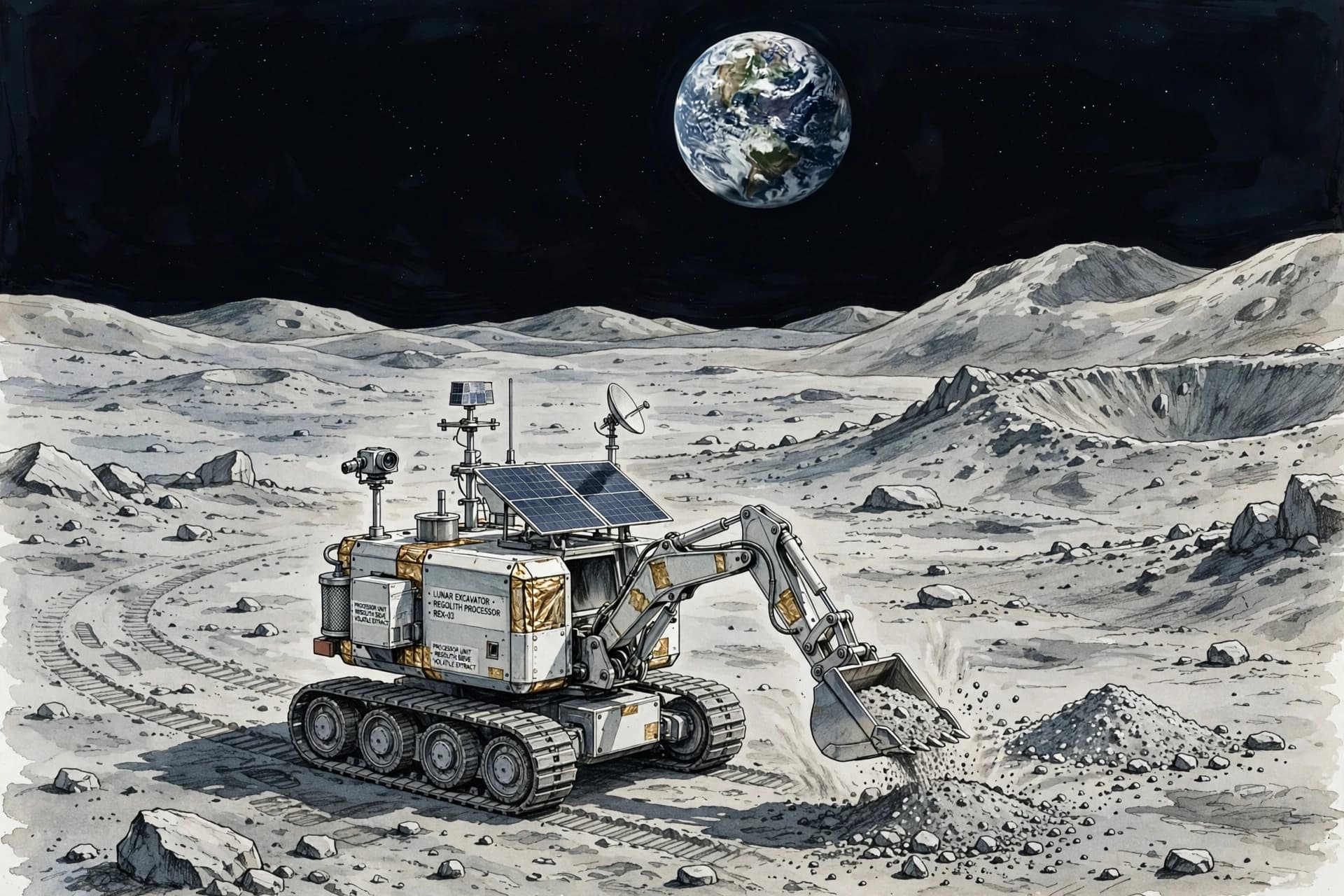
AI Image Disclaimer: The illustration accompanying this report is AI-generated and intended solely for visual representation of technological concepts.
Source Verification Check: arXiv, MIT Technology Review, Nature Machine Intelligence, IEEE Spectrum, Reuters
Published by Banx Network. This article is part of the Banx decentralized media programme, powered by the BXE token on the XRP Ledger.