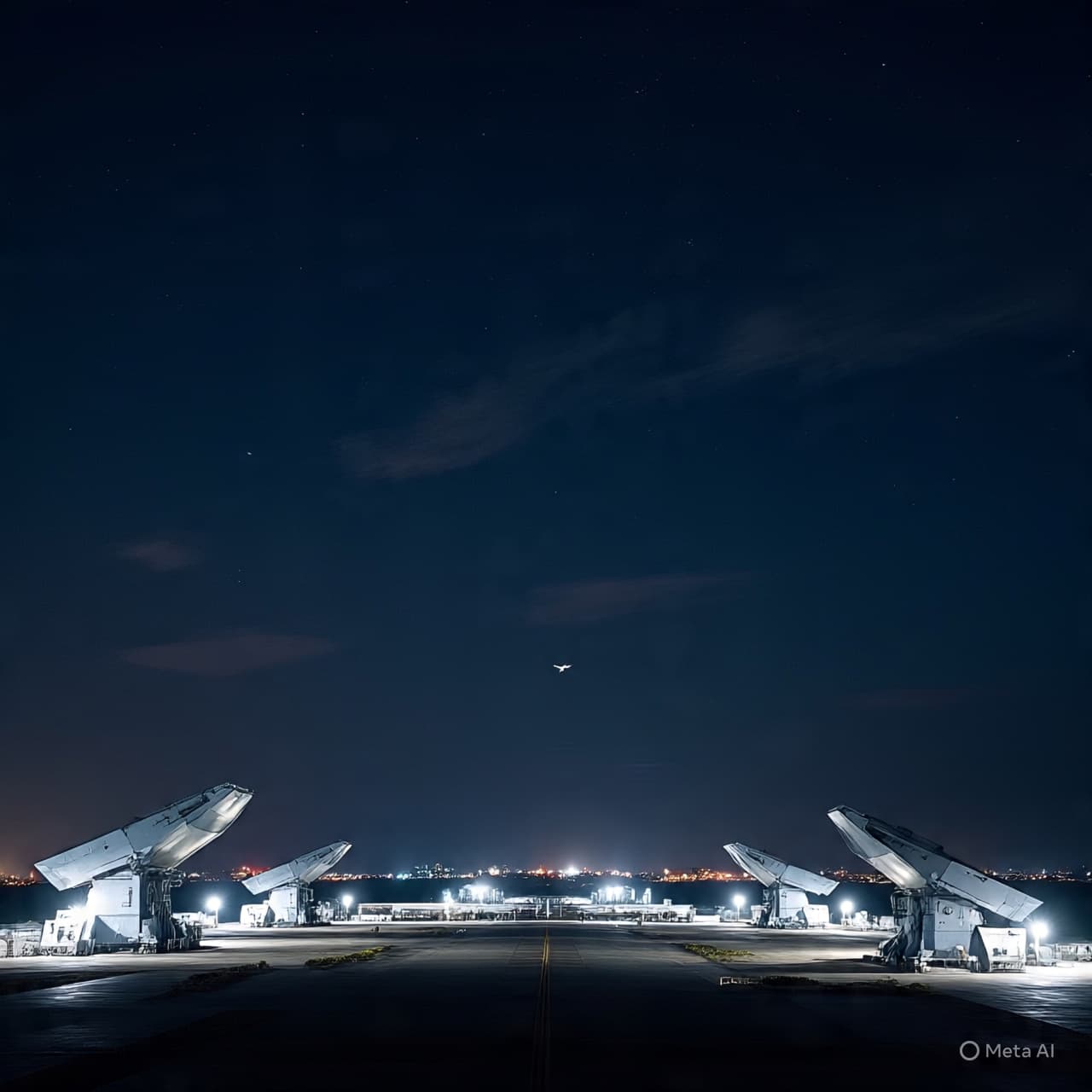
At the edges of modern warfare, the sky has become a crowded place. Not with the roaring squadrons of earlier eras, but with quieter machines—small, persistent shapes moving across radar screens and night skies alike. Drones now drift above battlefields like mechanical fireflies, carrying surveillance cameras, explosives, or simply the silent weight of uncertainty.
In response to this new rhythm of conflict, the United States is preparing to deploy a specialized counter-drone system to the Middle East, a weapon designed for a very specific task: intercepting the wave of small attack drones that have increasingly defined modern battlefields. The system, refined through extensive use in Ukraine, has reportedly logged more than a thousand successful interceptions against Iranian-designed Shahed drone attacks.
The move reflects a growing recognition within military circles that drones—particularly low-cost loitering munitions—have reshaped the balance between offense and defense. Once considered supplementary tools, these aircraft have evolved into central instruments of modern warfare. They travel far, fly low, and often arrive in swarms that test the limits of traditional air-defense systems.
In Ukraine, where waves of Shahed drones have targeted energy infrastructure and cities, the challenge has been constant. Night after night, air defense units track incoming signals across wide skies, launching interceptors or activating electronic defenses to stop them before they reach their targets. Over time, counter-drone technologies have adapted to the rhythm of these attacks, learning to identify and neutralize the distinctive flight patterns of such aircraft.
It is from this battlefield laboratory that the new system now travels toward the Middle East. American officials say the deployment is intended to strengthen defensive capabilities for U.S. forces and allied infrastructure in a region where drone threats have grown increasingly common. Armed groups and state actors alike have used unmanned aircraft to strike military bases, commercial shipping, and energy facilities.
The geography of the Middle East—vast deserts, narrow waterways, and densely populated coastal cities—creates its own challenges for air defense. Radar coverage must stretch across wide open terrain, while defensive systems must remain alert to threats that may appear suddenly from unexpected directions.
Counter-drone platforms such as the one being deployed rely on a combination of sensors, targeting systems, and rapid-response interceptors. Their purpose is not the dramatic dogfights of earlier air wars but a quieter, more technical task: detecting small airborne objects and stopping them before they reach critical infrastructure or personnel.
Military planners increasingly view such systems as essential layers in modern defense networks. Just as naval fleets once relied on radar to detect distant aircraft, today’s security architecture depends on identifying the faint electronic signatures of drones moving through complex airspace.
Beyond its technical capabilities, the deployment also carries symbolic weight. By transferring a system proven in Ukraine to the Middle East, Washington signals how lessons from one conflict now shape preparations for another. War, in this sense, has become an interconnected laboratory where innovations travel quickly across continents.
For now, officials emphasize that the system’s role is defensive—designed to protect troops, bases, and key facilities against aerial threats that have grown both cheaper and more numerous in recent years.
The sky over the Middle East has long been watched carefully. With the arrival of new counter-drone defenses, that watch grows a little sharper—another quiet adjustment in the evolving contest between the machines that rise into the air and those built to bring them down.
AI Image Disclaimer Illustrations were created using AI tools and are not real photographs.
Sources Reuters Associated Press BBC Defense News The New York Times
Published by Banx Network. This article is part of the Banx decentralized media programme, powered by the BXE token on the XRP Ledger.