

Key Highlights
- Lula's Age: At 80, Lula seeks reelection amid foreign interference concerns.
- Campaign Focus:His platform emphasizes social inclusion and economic stability.
- Foreign Influence:Allegations of external interference complicate the electoral landscape.
As President Luiz Inácio Lula da Silva officially launches his reelection campaign, Brazil finds itself at a pivotal moment. At 80 years old, Lula presents himself as a seasoned leader prepared to navigate the nation through turbulent times. However, his announcement is overshadowed by rising concerns regarding foreign interference, which raises critical questions about the integrity of Brazil's democratic process.
Lula's candidacy is anchored in a platform that prioritizes social inclusion, economic stability, and environmental protection. He aims to build upon the initiatives from his previous term, focusing on reducing inequality and enhancing public services. Supporters view him as a champion for the marginalized and a defender of democracy, while critics argue that his policies have contributed to economic stagnation and corruption. The upcoming election will serve as a litmus test for his legacy and the future direction of the country.
The campaign backdrop is further complicated by allegations of foreign influence. Recent reports indicate that foreign entities may be attempting to manipulate public opinion or disrupt the electoral process. In response, Lula's administration has taken decisive action, denying visas to certain foreign officials suspected of engaging in political activities within Brazil. This move has sparked diplomatic tensions, with some nations accusing Brazil of overreacting, while others support its right to safeguard its democratic integrity.
The issue of foreign interference is not new to Brazil, but it has gained urgency in the age of digital misinformation. Social media platforms have become battlegrounds for controlling narratives, with fake news and propaganda spreading rapidly. To ensure fair elections, the government is collaborating with tech companies to identify and eliminate malicious content. However, the challenge remains significant, as misinformation can easily sway public perception.
For voters, the noise surrounding foreign interference can be disorienting and disheartening. Trust in institutions is vital for a healthy democracy, and any suggestion of manipulation undermines that trust. Civil society organizations are stepping up to monitor the election, providing fact-checking services and educating citizens on how to discern reliable information. Their efforts are crucial in maintaining transparency and accountability during this critical period.
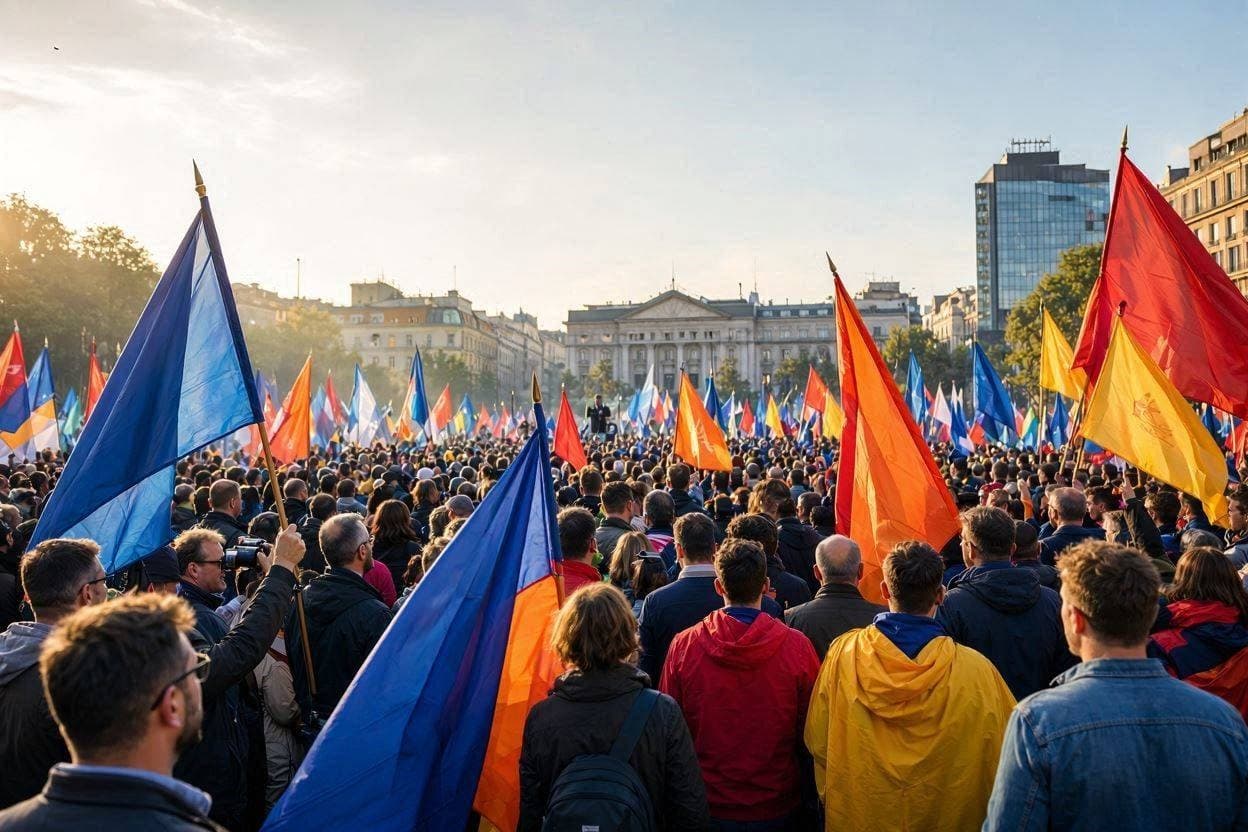
Lula's campaign strategy emphasizes direct engagement with voters, bypassing traditional media channels that may be influenced by external interests. He is holding rallies across the country, where he speaks passionately about hope, resilience, and national pride. These events are vibrant and emotional, reflecting the deep commitment of the Brazilian people to their political future. It is a powerful demonstration of democracy in action, despite the challenges posed by external pressures.
Opposition parties have criticized Lula's handling of the foreign interference issue, arguing that it distracts from pressing domestic concerns. They advocate for a more open approach to international relations, warning that isolationism could jeopardize Brazil's global standing. This debate underscores the complexity of balancing national security with international cooperation, a dilemma that many democracies face today.
As Lula embarks on his reelection journey, the world is watching Brazil closely. The outcome will not only determine the country's leadership but also signal its commitment to democratic values in the face of external challenges. Whether seen as a defender of sovereignty or a populist leader, Lula's campaign will significantly influence the narrative surrounding Brazil's future.
Published by Banx Network. This article is part of the Banx decentralized media programme, powered by the BXE token on the XRP Ledger.




