
Key Highlights
- Policy Announcement:LPSS mandates Ten Commandments display by Friday.
- Community Reactions:Supporters see it as a moral guide; critics raise concerns.
- Legal Implications:Experts warn of potential church-state separation issues.
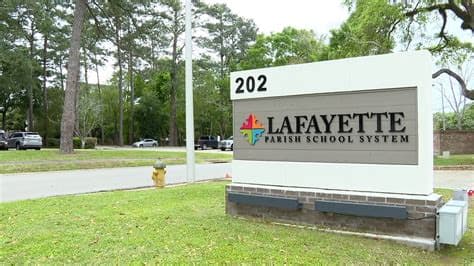
The Lafayette Parish School System (LPSS) has recently announced a policy requiring all classrooms to display the Ten Commandments by the upcoming Friday. This directive has ignited a wave of discussions and reactions across the community, reflecting differing views on the role of religious texts in public education.
Supporters of the initiative argue that displaying the Ten Commandments serves as a moral and ethical guideline for students, promoting values such as respect and responsibility. “Having the Ten Commandments in our classrooms can reinforce positive behavior among students,” said a parent who supports the initiative. Proponents believe that this policy could help instill a sense of accountability and ethical behavior among young learners.
Conversely, the decision has faced significant criticism from those who believe it blurs the lines between church and state. Opponents argue that public schools should maintain a secular environment, respecting the diverse beliefs of all students. “This policy can alienate students who come from different religious backgrounds,” expressed a concerned educator. Critics emphasize the importance of inclusivity in educational settings, arguing that religious displays could marginalize non-Christian students.
Legal experts are weighing in on the potential implications of this directive, noting that it could raise constitutional questions about the separation of church and state. The school district has stated that they are committed to ensuring that the initiative complies with legal standards. However, the policy's implementation may face challenges if it is perceived as endorsing a particular religion over others.
As the deadline approaches, teachers and administrators are working to implement the policy, with some expressing concerns about its impact on classroom dynamics. “It’s important that we foster an inclusive environment where all students feel valued,” remarked one teacher. The anxiety among educators highlights the potential for conflict in classrooms where students may feel uncomfortable or excluded due to the religious nature of the display.
The requirement to post the Ten Commandments reflects ongoing debates about the intersection of education, morality, and religion in public schools. As LPSS moves forward with this directive, the community remains engaged in dialogue about the best approach to teaching values in a diverse educational setting. The outcome of this policy could set a precedent for similar initiatives in other school districts across the country, making it a pivotal moment in the ongoing discussion about the role of religion in public education.
Published by Banx Network. This article is part of the Banx decentralized media programme, powered by the BXE token on the XRP Ledger.



