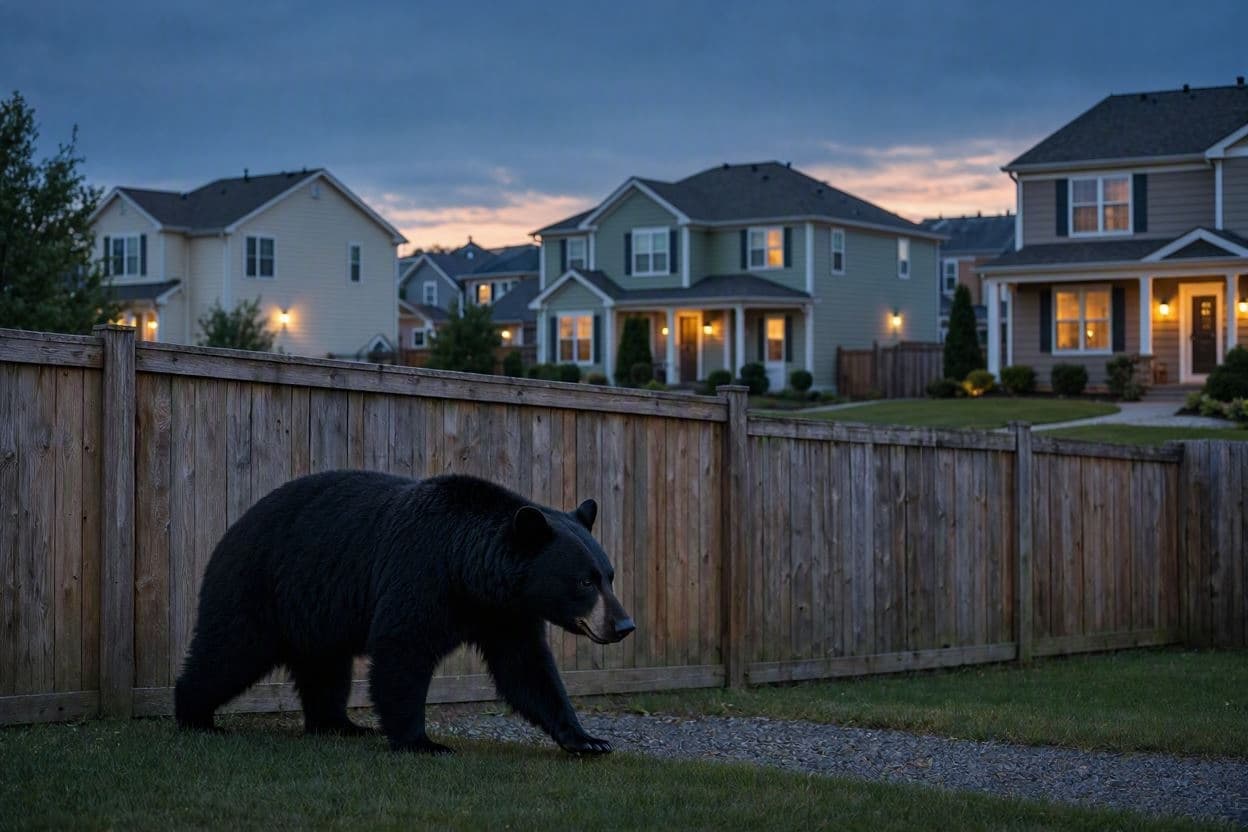
As Los Angeles continues to expand its urban footprint, the boundary between city and wilderness grows increasingly porous. In this shifting landscape, black bears are becoming more frequent visitors to residential neighborhoods, prompting a reevaluation of how humans and wildlife coexist. Once confined to the remote mountains, these majestic creatures are now navigating suburban streets, searching for food and shelter. The phenomenon, while challenging, offers an opportunity to foster a deeper respect for nature and develop sustainable practices for shared living.
The increase in bear sightings is largely attributed to habitat loss and the availability of human food sources. Trash cans, pet food, and compost piles act as magnets for hungry bears, drawing them into close contact with people. Wildlife officials emphasize that these encounters are often preventable through simple measures like securing waste and removing attractants. Education campaigns aim to inform residents about the importance of "bear-proofing" their homes, reducing the likelihood of conflict and ensuring the safety of both species.
For many Angelenos, seeing a bear in their backyard is a mix of awe and anxiety. These animals are powerful and unpredictable, yet they are also a vital part of the local ecosystem. Learning to appreciate their presence while maintaining safe distances is key to successful coexistence. Community workshops and online resources provide guidance on how to react during an encounter, emphasizing calmness and non-confrontational behavior. It is a shift in mindset from fear to informed caution.
Local authorities have implemented strategies to manage the growing bear population, including monitoring movements and relocating problem animals when necessary. However, relocation is not always a long-term solution, as bears may return or move to other populated areas. Therefore, prevention remains the most effective tool. By addressing the root causes of attraction, communities can reduce the frequency of incidents and promote a healthier balance between urban development and natural habitats.
The story of human-bear interaction in Los Angeles reflects broader global trends. As cities expand into wildlands, conflicts with wildlife are becoming more common worldwide. From coyotes in Chicago to leopards in Mumbai, urban areas are adapting to the presence of large mammals. Los Angeles serves as a case study for innovative management techniques and community engagement. Lessons learned here can inform policies and practices in other regions facing similar challenges.
Environmentalists argue that coexistence is not just about safety but about biodiversity. Bears play a crucial role in seed dispersal and ecosystem health. Protecting their habitats and ensuring their survival contributes to the overall resilience of the environment. By viewing bears as neighbors rather than pests, residents can contribute to conservation efforts. This perspective fosters a sense of stewardship and connection to the natural world, even in the heart of a metropolis.
Technology is also playing a role in managing these interactions. Apps and alert systems notify residents of recent sightings, allowing them to take precautions. Camera traps and GPS collars help researchers understand bear behavior and movement patterns. This data-driven approach enables more targeted and effective interventions, minimizing disruption to both humans and animals. It is a blend of science and community action that enhances safety and understanding.
In the end, the presence of bears in Los Angeles is a reminder of the enduring wildness within our cities. It challenges us to live more consciously, respecting the needs of other species while pursuing our own. By adopting bear-safe practices and fostering a culture of coexistence, we can create a harmonious environment for all. The journey toward being "bear-y good neighbors" is ongoing, but it is one that enriches our relationship with the natural world.
AI Image Disclaimer: The images accompanying this article are AI-generated artistic interpretations of urban wildlife and suburban settings, not actual photographs of specific bear encounters in Los Angeles.
Sources: California Department of Fish and Wildlife The New York Times Le Monde
Published by Banx Network. This article is part of the Banx decentralized media programme, powered by the BXE token on the XRP Ledger.