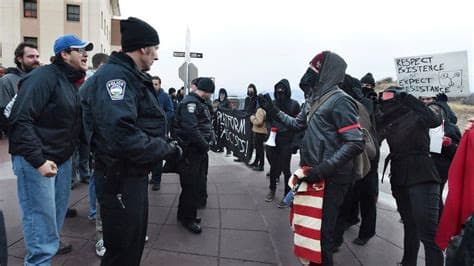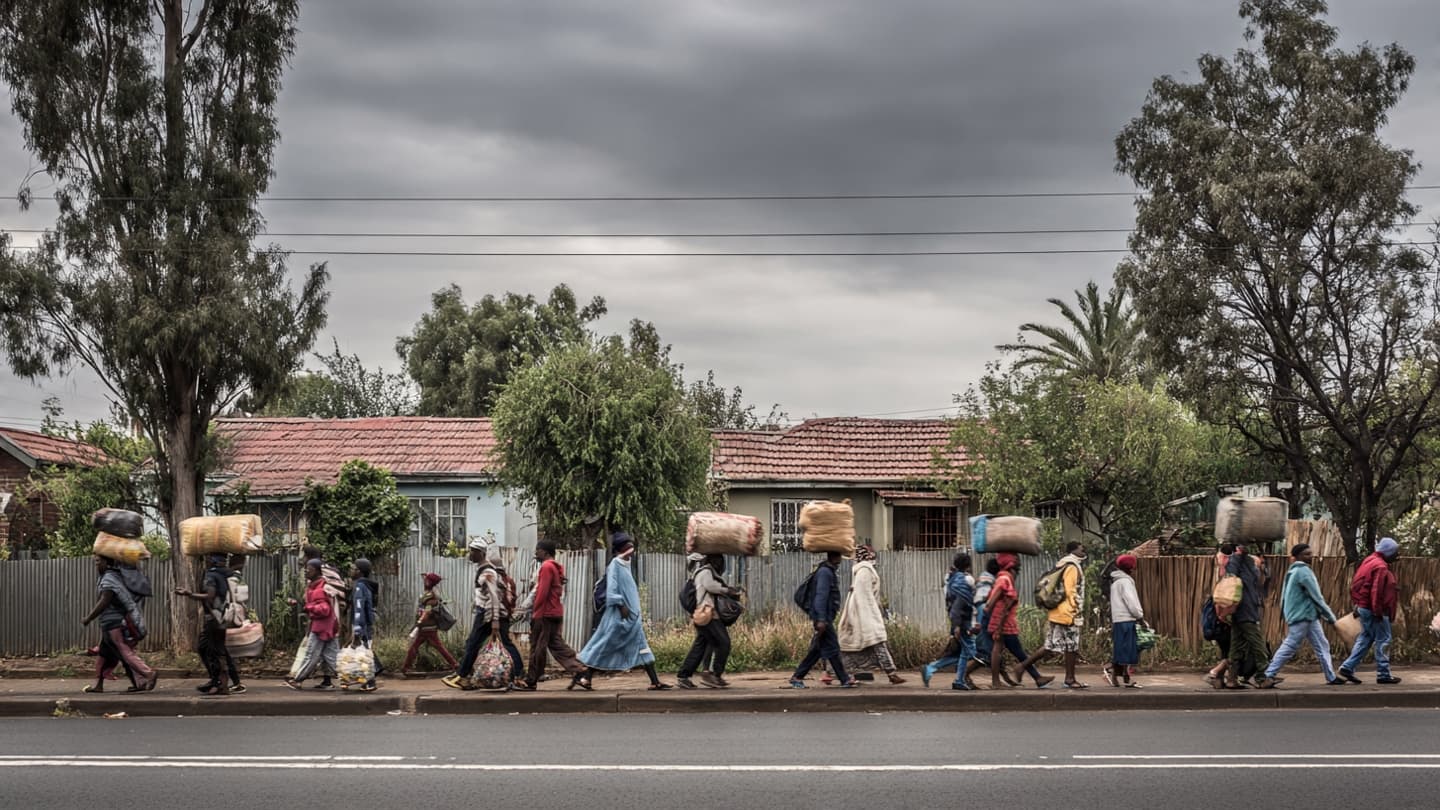
Communities are often woven together like threads in a long-standing tapestry, each strand contributing to a shared story over generations. Yet when fear and suspicion emerge, even familiar neighborhoods can become places of uncertainty. In parts of South Africa, reports of xenophobic violence have once again prompted concern among families who have spent years building lives in the country.
Recent incidents have affected African migrants, including many who have lived in South Africa for decades. Some individuals have reported fleeing their homes and businesses after facing threats, intimidation, or attacks linked to their foreign origins.
The issue of xenophobic violence has periodically surfaced in South Africa over the past two decades. While many communities remain welcoming and diverse, outbreaks of tension have occasionally resulted in displacement, property damage, and social disruption.
Analysts point to a combination of economic hardship, unemployment, and competition for limited opportunities as factors that can contribute to hostility toward migrant communities. These challenges often intersect with broader frustrations about living conditions and public services.
For many affected families, the experience is particularly painful because of their deep connections to South Africa. Some migrants arrived years ago, established businesses, raised children, and became integral parts of local communities.
Community leaders, religious organizations, and civil society groups have urged calm while calling for stronger protections for vulnerable populations. Efforts to provide temporary shelter and assistance have also been reported in several affected areas.
Government officials have repeatedly condemned xenophobic violence and emphasized that criminal acts should not be directed at individuals based on nationality. Authorities continue to investigate reported incidents and monitor community tensions.
The events have also renewed discussion about migration policy, economic development, and social cohesion. Observers note that long-term solutions may require addressing both security concerns and the economic pressures that contribute to public frustration.
As authorities respond to the latest incidents, humanitarian groups continue to support affected families while encouraging dialogue aimed at reducing tensions and strengthening community stability.
AI Image Disclaimer: This article contains AI-generated illustrations designed to provide visual context and are not documentary photographs.
Sources: Reuters, Associated Press, Al Jazeera, South African Broadcasting Corporation
Published by Banx Network. This article is part of the Banx decentralized media programme, powered by the BXE token on the XRP Ledger.