
Key Highlights
- Duration:Sonam Wangchuk ended his hunger strike after 26 days.
- Health Concerns:His health deteriorated, prompting medical intervention.
- Negotiations:The resolution followed discussions with government ministers.
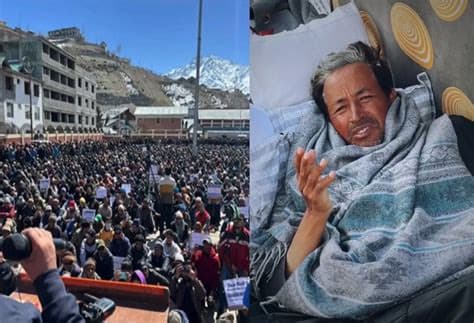
Ladakh activist Sonam Wangchuk concluded his hunger strike after 26 days, a decision influenced by his deteriorating health and extensive negotiations with government officials. Wangchuk, known for his advocacy in educational reform, had been protesting against systemic failures in India's education sector, particularly highlighting issues faced by students and youth in the region. His hunger strike drew significant attention, with supporters rallying for his cause and expressing concern for his well-being.
During the strike, Wangchuk reportedly consumed only salt and water, which raised alarms about his health as the days progressed. His condition prompted medical professionals to intervene, leading to his hospitalization. The urgency of his health situation became a focal point in the discussions that followed, as both supporters and government representatives recognized the need for a resolution.
The negotiations that led to the end of Wangchuk's hunger strike were characterized as a step towards dialogue rather than a definitive victory for his demands. While specific outcomes of the discussions have not been publicly detailed, the engagement between Wangchuk and government ministers indicates a willingness to address the grievances he raised. This dialogue is seen as crucial in fostering a more responsive educational framework that meets the needs of the youth in Ladakh and beyond.
Wangchuk's activism has been pivotal in bringing attention to the challenges faced by students in India, particularly in remote areas like Ladakh. His efforts have sparked broader conversations about educational policies and the importance of accountability within the system. As the situation develops, many are hopeful that the discussions initiated during this period will lead to meaningful changes in the education sector.
The conclusion of Wangchuk's hunger strike marks a significant moment in his ongoing advocacy, reflecting both the challenges and the potential for progress in addressing the issues he champions. As he recovers, the focus will likely shift back to the broader implications of his activism and the responses from the government regarding educational reforms.
Published by Banx Network. This article is part of the Banx decentralized media programme, powered by the BXE token on the XRP Ledger.



