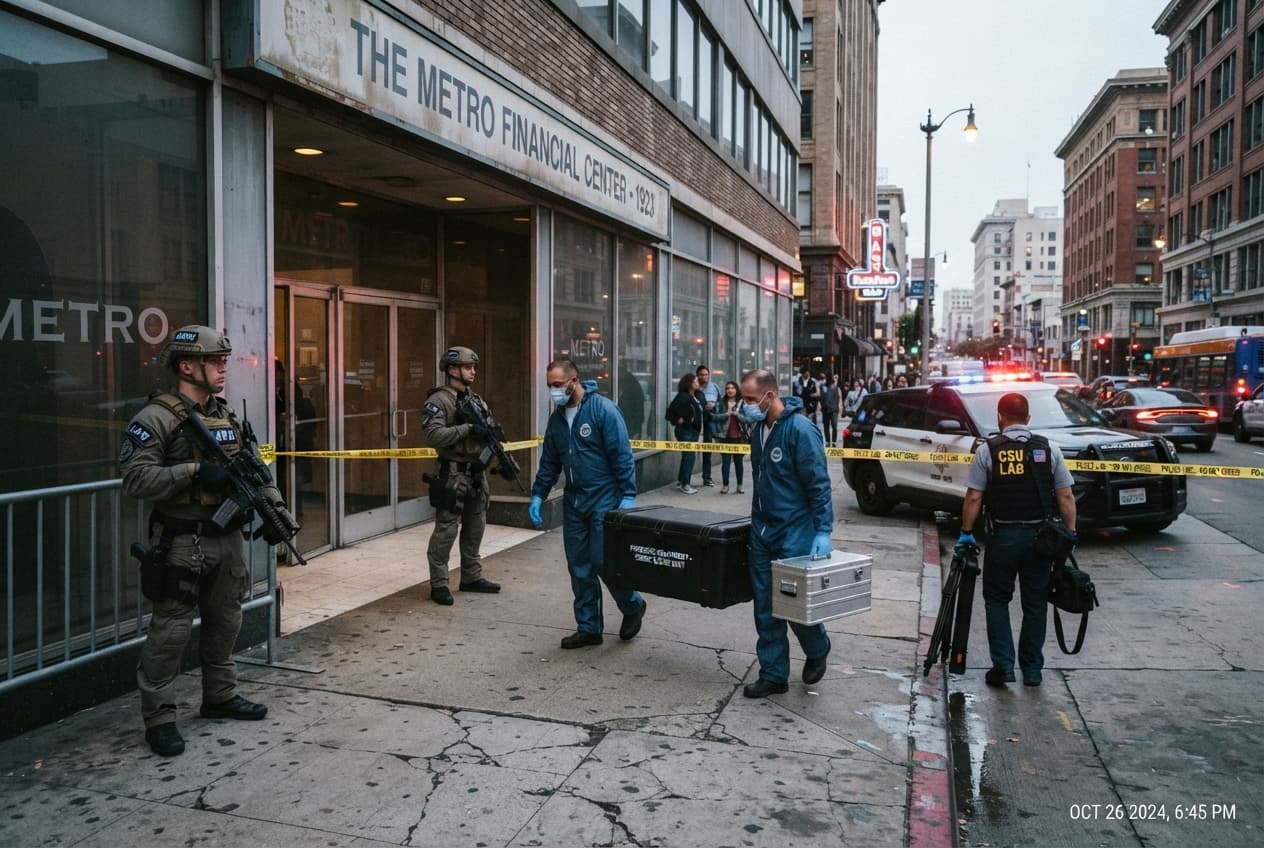
In a quiet Minneapolis neighbourhood, tragedy has sparked a complex dispute over authority, transparency, and public trust. On January 7, 2026, an ICE agent fatally shot Renee Nicole Good, a 37‑year‑old Minneapolis woman, during a federal immigration enforcement operation. The incident immediately prompted national attention, concern from civil rights groups, and calls for a thorough investigation. But as the investigation unfolded, Minnesota officials found themselves shut out from accessing critical evidence, raising questions about accountability in cases involving federal officers.
Originally, the Minnesota Bureau of Criminal Apprehension (BCA) intended to conduct the inquiry jointly with the FBI, a standard protocol for incidents involving potential federal criminal conduct within state borders. However, the FBI, under guidance from the U.S. Attorney’s Office, assumed exclusive control of the investigation, leaving state officials without access to the crime scene, forensic materials, or witness interviews. The move prompted the BCA to withdraw from active participation, citing an inability to comply with Minnesota’s investigative standards without the necessary evidence.
BCA Superintendent Drew Evans described the decision as “extremely frustrating and unprecedented,” highlighting the challenges of investigating a case that involves a federal officer. Minnesota officials stressed that independent review is essential to ensure transparency, public trust, and adherence to state investigative norms, especially when the public has witnessed a fatal outcome.
Federal authorities defended their approach, noting that federal officers fall under federal jurisdiction and that standard procedures permit the FBI to lead investigations of federal personnel without state participation. U.S. Department of Homeland Security officials stressed that the decision was legal and procedural, though critics argue it leaves a gap in independent oversight.
The lack of state involvement has drawn criticism from Minnesota Governor Tim Walz and local legislators, who argue that excluding state investigators undermines transparency and risks eroding public confidence in the outcome. Civil rights groups and activists have echoed this sentiment, calling for full disclosure of investigative findings once the FBI concludes its work.
The incident underscores the delicate balance between federal authority and state oversight in sensitive law enforcement cases, particularly when fatal force is used in local communities. For Minneapolis, the fatal shooting and subsequent investigative dispute are not just questions of procedure — they are a test of accountability, trust, and the public’s confidence that all levels of law enforcement can be held responsible when tragedy strikes.
AI Image Disclaimer “Visuals are created with AI tools and intended for conceptual representation, not real photographs.”
Sources Minnesota officials say they can't access evidence after fatal ICE shooting and FBI won't work jointly — PBS NewsHour. ICE officer fatally shoots Minneapolis woman; investigation now federal-only — AP News. Minnesota investigators blocked from ICE shooting evidence by FBI — WBUR. Critics demand transparency after FBI takes over ICE shooting probe — Fox9 News. Federal vs state oversight debate intensifies after fatal ICE shooting — Star Tribune.
Published by Banx Network. This article is part of the Banx decentralized media programme, powered by the BXE token on the XRP Ledger.