
Key Highlights
- Incident Date:On January 7, 2026, an ICE agent fatally shot Renee Nicole Good, a 37-year-old Minneapolis woman.
- Investigation Control:The FBI has assumed exclusive control of the investigation, barring state officials from accessing evidence.
- Public Response:Minnesota Governor Tim Walz and civil rights groups criticize the lack of state involvement, calling for transparency.
On January 7, 2026, tragedy struck in a Minneapolis neighborhood when an ICE agent fatally shot Renee Nicole Good during a federal immigration enforcement operation. This incident has ignited a complex dispute over authority, transparency, and public trust, drawing national attention and concern from civil rights advocates. As the investigation unfolded, Minnesota officials found themselves barred from accessing critical evidence, raising significant questions about accountability in cases involving federal officers.
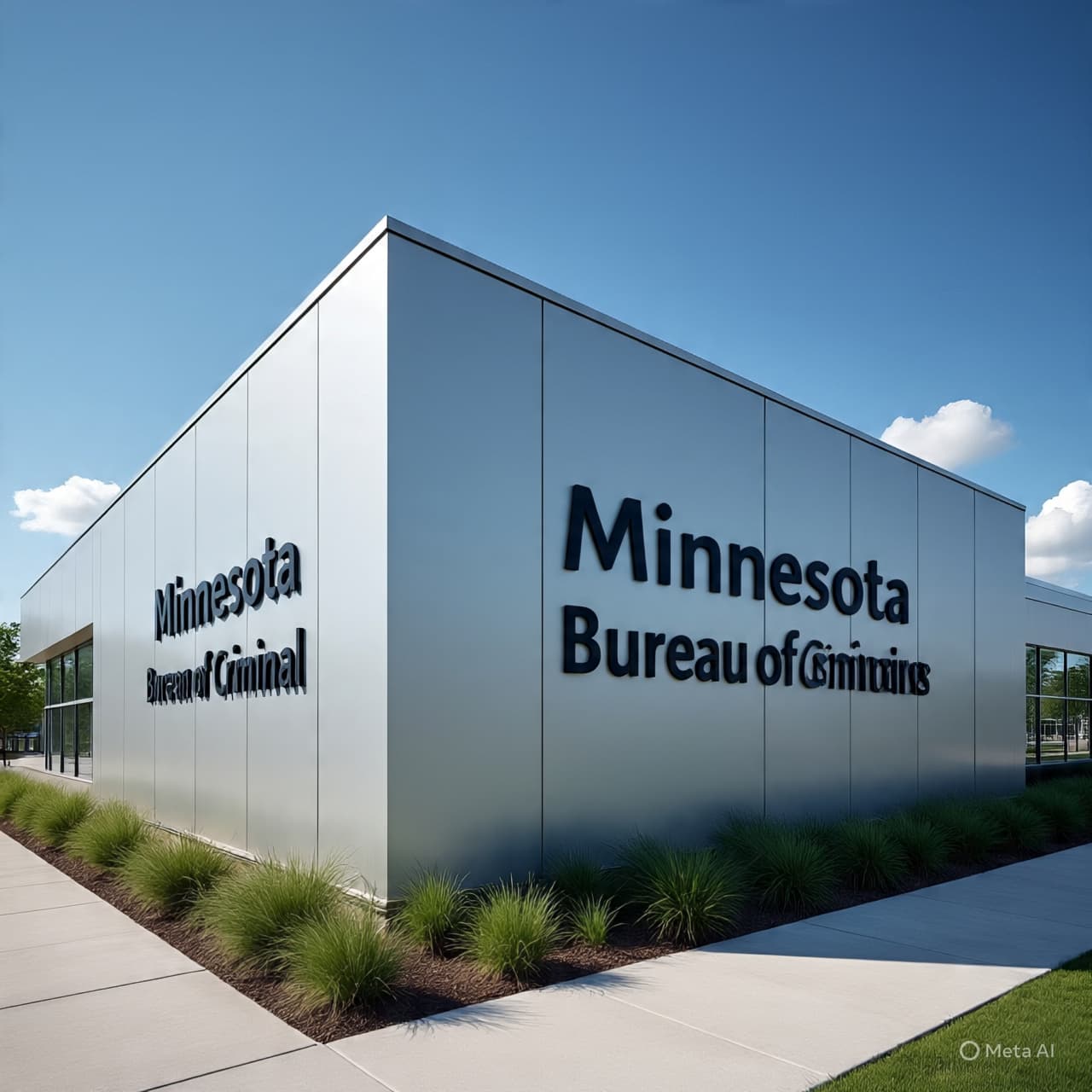
Initially, the Minnesota Bureau of Criminal Apprehension (BCA) planned to conduct the inquiry in collaboration with the FBI, following standard protocol for incidents involving potential federal criminal conduct within state borders. However, the FBI, under the direction of the U.S. Attorney’s Office, took exclusive control of the investigation, effectively sidelining state officials. This decision left the BCA without access to the crime scene, forensic materials, or witness interviews, prompting the agency to withdraw from active participation. BCA Superintendent Drew Evans expressed his frustration, stating that the situation was “extremely frustrating and unprecedented.” He emphasized the challenges of investigating a case involving a federal officer without the necessary evidence to comply with Minnesota’s investigative standards.
Federal authorities have defended their approach, asserting that federal officers fall under federal jurisdiction and that standard procedures allow the FBI to lead investigations of federal personnel without state involvement. Officials from the U.S. Department of Homeland Security have reiterated that their decision was both legal and procedural. However, critics argue that this approach creates a significant gap in independent oversight, undermining public trust in the investigation's integrity.
The lack of state involvement has drawn sharp criticism from Minnesota Governor Tim Walz and local legislators, who contend that excluding state investigators from the process undermines transparency and risks eroding public confidence in the outcome. Civil rights groups and activists have echoed these concerns, calling for full disclosure of investigative findings once the FBI concludes its work. They argue that the community deserves to know the details surrounding the fatal shooting and the circumstances that led to it.
This incident highlights the delicate balance between federal authority and state oversight in sensitive law enforcement cases, particularly when fatal force is employed in local communities. For Minneapolis, the fatal shooting of Renee Nicole Good and the subsequent investigative dispute are not merely procedural questions; they represent a critical test of accountability, trust, and the public’s confidence that all levels of law enforcement can be held responsible when tragedy strikes.
As the investigation continues, the implications of this case extend beyond the immediate community, raising broader questions about the relationship between federal and state law enforcement agencies and the need for transparency in all investigations involving the use of deadly force.
Published by Banx Network. This article is part of the Banx decentralized media programme, powered by the BXE token on the XRP Ledger.



