Key Highlights
- Incident:A bus crash on Highway 39 injured twenty people.
- Response:Rich Rogers, a local driver and former firefighter, provided immediate assistance.
- Community Impact:The event underscores the importance of neighborly support in emergencies.
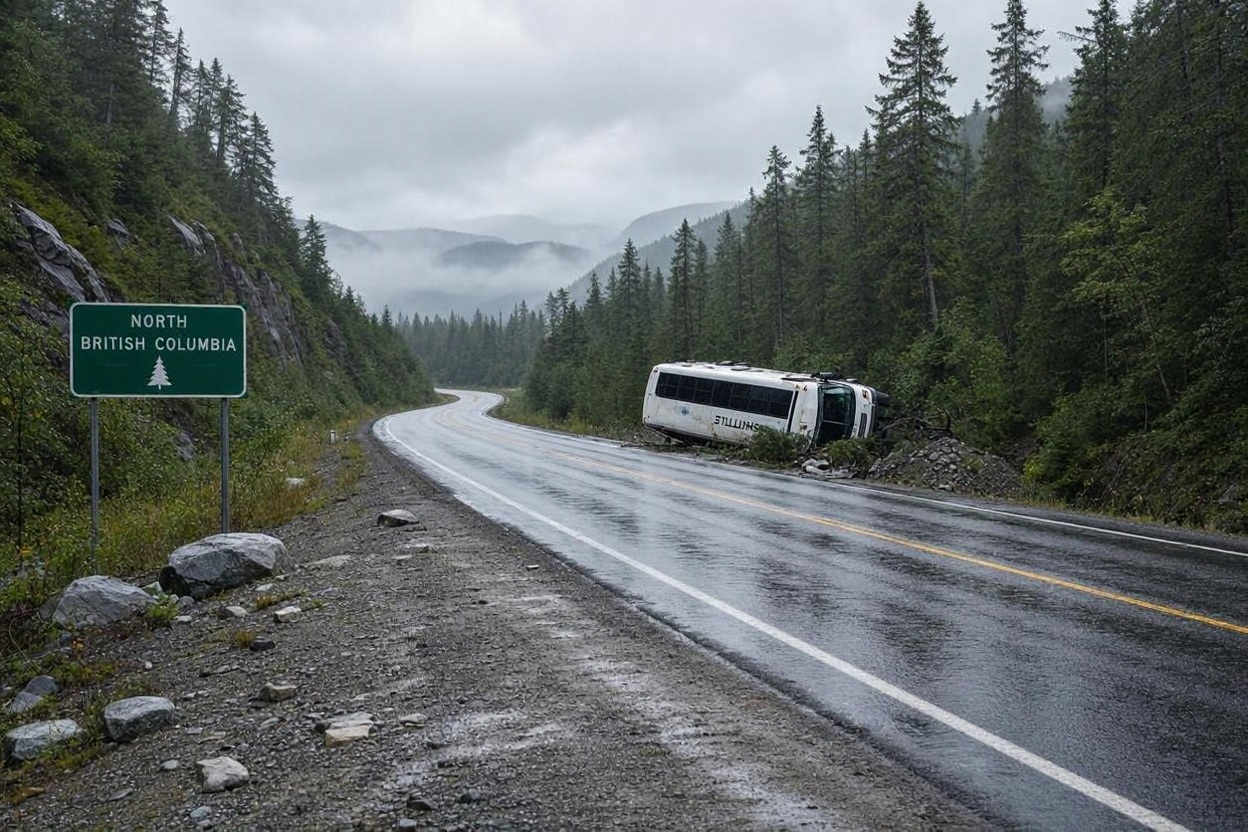
On a Wednesday afternoon, a routine drive home turned into a scene of chaos for Rich Rogers, a resident of Mackenzie, British Columbia. As he traveled with his wife and twelve-year-old son, they encountered a shuttle bus overturned on the side of Highway 39. The bus, which had been transporting workers for a data center contractor, had flipped during a violent stop, scattering its passengers and leaving many injured.
Rogers, who has a background as a firefighter, instinctively sprang into action. His training, which had lain dormant during years of driving mine workers, resurfaced as he assessed the situation. He found one individual ejected from the bus and unresponsive, along with three others who were unconscious inside the vehicle. His wife promptly called emergency services while Rogers began to provide aid, demonstrating the critical importance of preparedness in emergencies.
The crash, which occurred approximately four kilometers south of Mackenzie, resulted in injuries to twenty individuals. The scale of the incident prompted local hospitals to declare a Code Orange, a protocol indicating a mass-casualty situation. This declaration alerts medical staff to prepare for an influx of patients, ensuring that the necessary resources are available to handle the crisis. Northern Health later reported that fifteen of the injured had been treated and discharged, a testament to the efforts of first responders and bystanders alike.
After assisting at the scene, Rogers helped clear debris from the road before catching a ride back to town with the local fire department. Despite his significant contributions, he humbly rejected the label of hero, a sentiment often echoed by those who act in emergencies. For Rogers, the act of helping was simply a natural response, driven by his past experiences and training. He acknowledged the emotional toll of the incident but expressed hope that his actions contributed to the recovery of the injured passengers.
What stands out in Rogers' account is the understated nature of his response. He described himself as being in the wrong place at the right time, yet his training and instincts kicked in when it mattered most. This modest framing highlights a profound truth: a person's past experiences can prepare them for unforeseen challenges, allowing their earlier selves to emerge in moments of need.
The community of Mackenzie, known for its spirit of self-reliance, exemplifies the importance of neighbors helping one another. In remote areas where emergency services may take time to arrive, the willingness of bystanders to act becomes a crucial part of the community's infrastructure. Rogers' wife, who called for help while he tended to the injured, was part of this essential network of support.
As the investigation into the cause of the crash continues, the community remains focused on the well-being of those still hospitalized. This incident serves as a poignant reminder of the fragility of everyday life and the extraordinary capabilities that ordinary individuals can discover within themselves during times of crisis.
Published by Banx Network. This article is part of the Banx decentralized media programme, powered by the BXE token on the XRP Ledger.