
Key Highlights
- Minimalism promotes mental clarity and reduces distractions.
- Decluttering can lead to a more intentional and peaceful life.
- Living with less fosters a deeper relationship with possessions.
[The Essence of Minimalism]
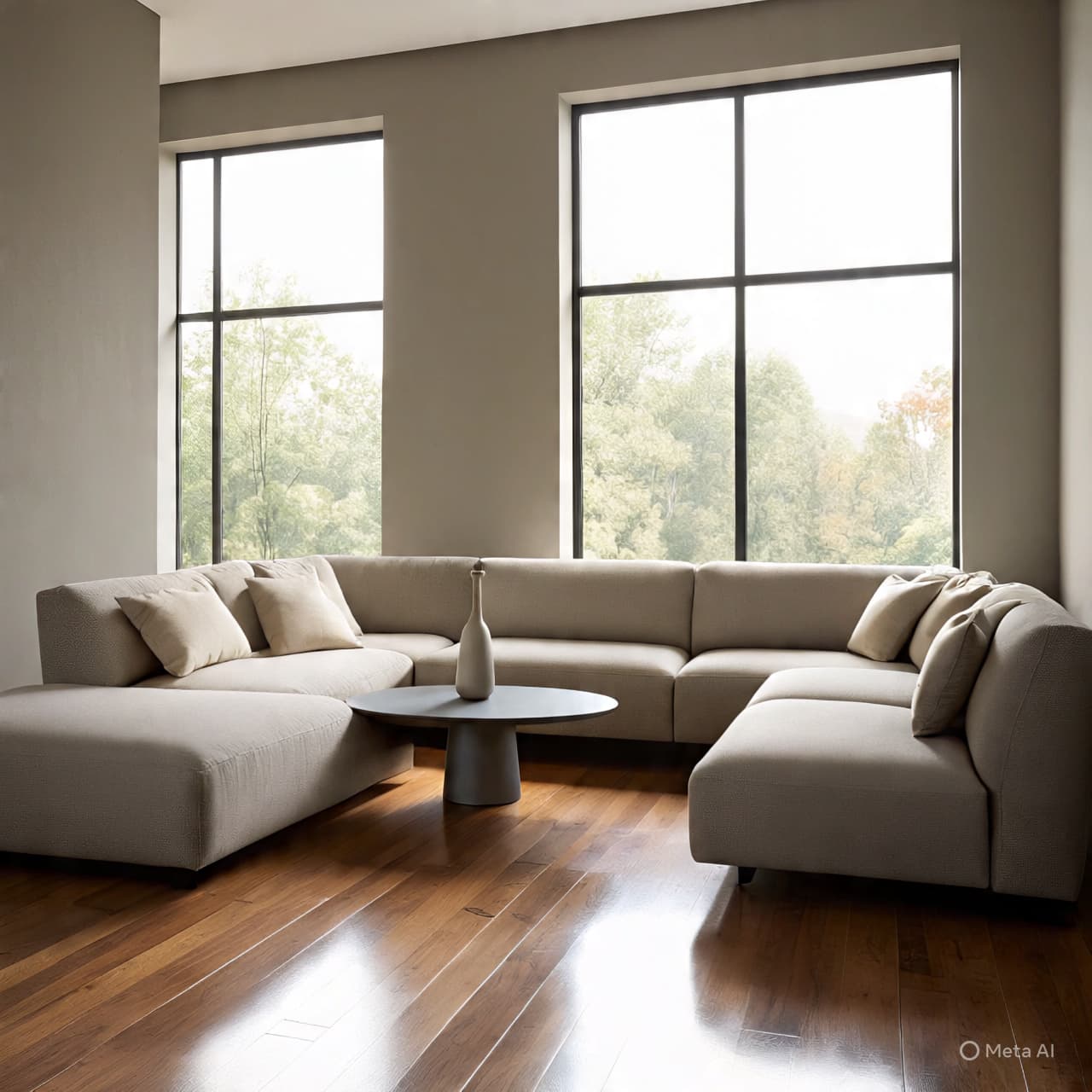
In a world that constantly encourages accumulation, the choice to live with less can feel like a quiet rebellion. The act of decluttering is not merely about removing physical items; it is about creating space for mental clarity and emotional ease. When a room holds only what it needs, it fosters a sense of tranquility, allowing individuals to breathe a little easier amidst the chaos of modern life.
Clutter accumulates gradually, often unnoticed, until it transforms our spaces into chaotic environments filled with distractions. Many people describe their homes as full, yet they feel restless and overwhelmed. This connection between physical clutter and mental strain is increasingly recognized by psychologists, who note that our environments significantly shape our behaviors and emotions.
[The Journey of Decluttering]
Those who embark on the journey of decluttering often start with practical goals, such as organizing a drawer or clearing a closet. However, this process frequently evolves into a deeper exploration of what truly matters. As individuals remove items that no longer serve them, they create moments of pause in their daily lives. This newfound clarity allows for easier movement and lighter choices, transforming the act of decluttering into a liberating experience.
Psychologists emphasize that visual noise competes for our attention, making it difficult to focus. Simplified spaces, on the other hand, provide a respite for the mind. Living with less does not necessitate a sterile environment; rather, it encourages a thoughtful relationship with possessions. What remains in a decluttered space gains significance, while what is removed takes its burdens with it.
[Impact on Daily Life]
Living with less also influences how individuals spend their time. Fewer possessions mean fewer distractions to manage, repair, or replace. Cleaning becomes a simpler task, and searching for items takes less time. Decision-making becomes less overwhelming, leading to a gradual transformation in daily life. These small reliefs accumulate, creating a more peaceful and intentional existence.
There is no universal standard for what constitutes “enough.” For some, it may be a clear desk; for others, it could be a simplified calendar or a closet that closes without resistance. The liberation found in minimalism stems not from strict rules but from intentional choices—prioritizing presence over possession and space over excess.
[Finding Home in Minimalism]
Ultimately, living with less does not require withdrawal from the world; instead, it offers a quieter way to engage with it. In spaces that breathe and shelves that rest, many discover an unexpected truth: it is not about loss but about creating room to feel at home again. Embracing minimalism can lead to a more fulfilling life, where individuals can focus on what truly matters.
Published by Banx Network. This article is part of the Banx decentralized media programme, powered by the BXE token on the XRP Ledger.



