In the densely populated streets of Gaza, where the rhythm of daily life has been long interrupted by conflict, another wave of violence has claimed innocent lives. Recent Israeli airstrikes have resulted in the deaths of more than ten people, including a pregnant woman, adding to the mounting toll of suffering in the region. Each loss is a tragedy that echoes far beyond the immediate scene, touching families and communities with profound grief.
The attacks, which targeted specific areas amid ongoing military operations, have drawn widespread condemnation and sorrow from international observers. The inclusion of a pregnant woman among the victims highlights the vulnerability of civilians, particularly women and children, in conflict zones. For her family, the loss is twofold, mourning both a mother and the unborn child who never had the chance to see the light of day.
Humanitarian organizations on the ground report chaotic scenes as rescue workers struggle to reach survivors amidst rubble and debris. Medical facilities, already stretched thin by years of crisis, face renewed pressure to treat the injured. The scarcity of resources and the scale of destruction make every rescue effort a race against time, underscoring the urgent need for safe passage and aid delivery.
The international community continues to call for restraint and the protection of civilians, emphasizing the principles of international humanitarian law. Yet, the reality on the ground remains harsh, with little respite for those caught in the crossfire. Diplomatic efforts to secure ceasefires or humanitarian pauses have faced significant challenges, leaving civilians exposed to continued danger.
For the residents of Gaza, each day brings new uncertainties and fears. The trauma of repeated displacement and loss leaves deep psychological scars, affecting entire generations. Community support networks strive to provide comfort and basic necessities, but the scale of need often overwhelms local capacities. Solidarity becomes a lifeline in times of despair.
As the news spreads, voices from around the world express solidarity with the victims and demand accountability. Protests and statements highlight the human cost of the conflict, urging leaders to prioritize peace and dialogue. The narrative is not just about political positions but about the fundamental right to life and dignity for all people, regardless of their location or status.
In the aftermath of these strikes, the focus must remain on healing and justice. Providing support to the bereaved families and ensuring accurate documentation of events are crucial steps toward accountability. Until a lasting solution is found, the cycle of violence continues to exact a heavy price, reminding us of the urgent need for compassion and resolution.
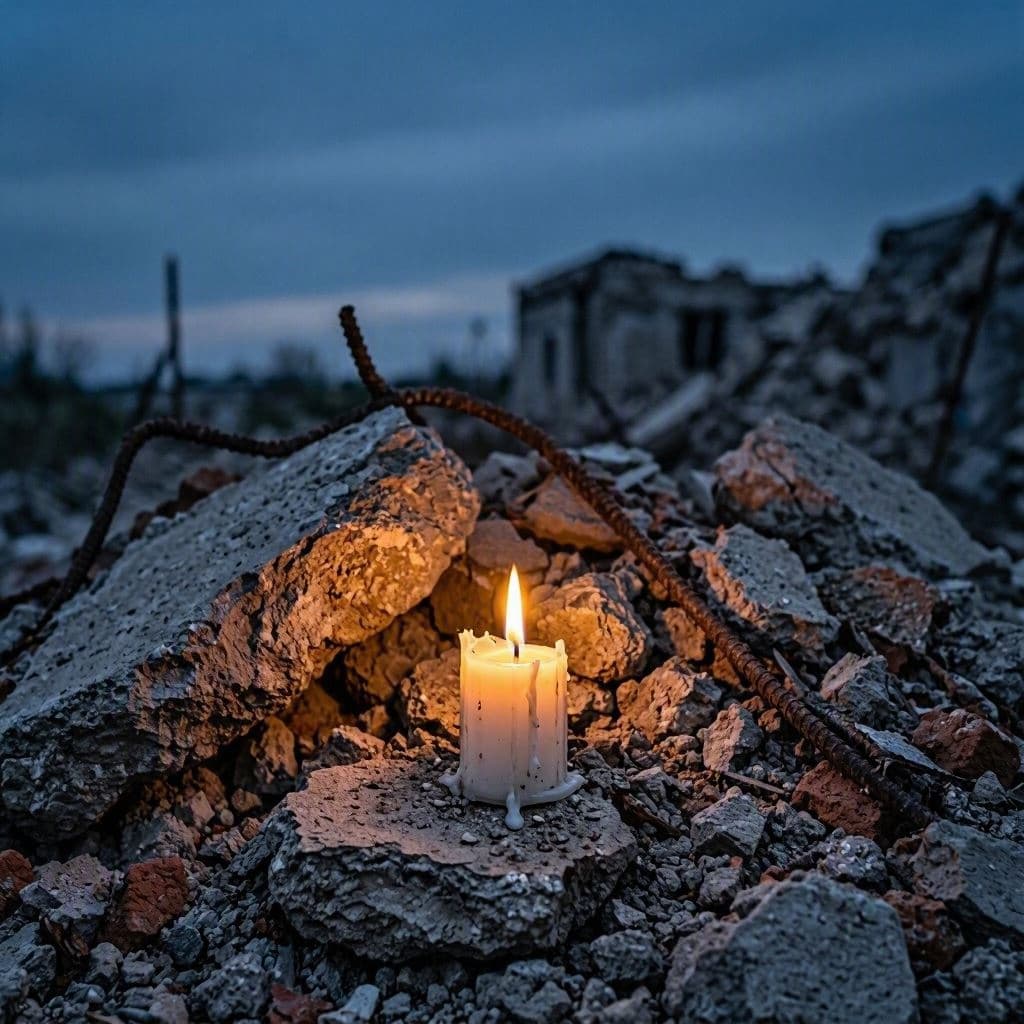
AI Image Disclaimer: The images used in this report are AI-generated visuals created to illustrate the themes of humanitarian crisis and mourning respectfully.
Sources: Al Jazeera, BBC News, The Guardian
Published by Banx Network. This article is part of the Banx decentralized media programme, powered by the BXE token on the XRP Ledger.