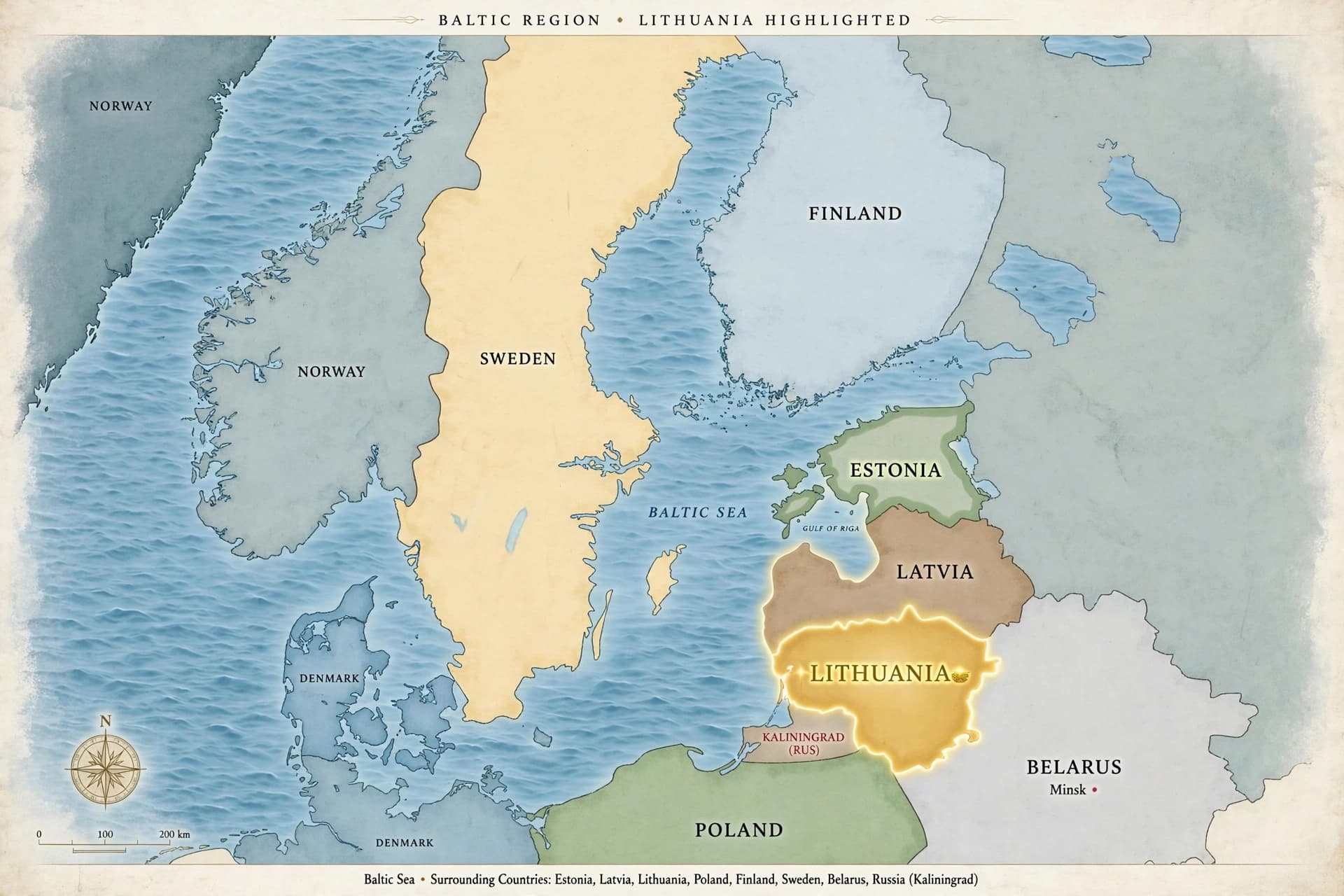
In the Baltic state of Lithuania, where the wind carries whispers of history and the shadow of past occupations, a new reality is taking shape. Prime Minister Ingrida Šimonytė has spoken with candid clarity about the nation’s stance in the face of growing Russian threats. While emphasizing Lithuania’s readiness to defend its sovereignty alongside NATO allies, she also acknowledged the existence of civilian evacuation plans. This dual approach—preparation for defense and preparation for survival—reflects the sobering calculations that small nations on the frontline must make. It is a balance between courage and caution, between the will to fight and the duty to protect.
The Prime Minister’s comments to the BBC highlight the evolving nature of security in Eastern Europe. With Russia’s actions in Ukraine serving as a stark warning, Lithuania has taken steps to fortify its defenses and strengthen its alliances. The presence of NATO troops on its soil is a deterrent, but it is not a guarantee of immunity. Šimonytė’s acknowledgment of evacuation plans is not an admission of defeat but a pragmatic recognition of the risks involved in modern warfare. Civilian safety is a priority that cannot be overlooked.
For the Lithuanian people, these discussions are not abstract political debates but matters of daily life. Schools conduct drills, families discuss emergency kits, and communities build networks of support. The memory of Soviet rule remains vivid for many, shaping a collective resilience that is both quiet and strong. This preparedness is rooted in history, where survival often depended on adaptability and unity. The past informs the present, guiding decisions with a sense of urgency.
Critics might view evacuation plans as a sign of vulnerability, but Šimonytė frames them as part of a comprehensive security strategy. By planning for all scenarios, including the worst-case, the government aims to minimize panic and ensure order in times of crisis. Transparency in this process helps build trust between the state and its citizens. Openness is a form of strength.
The geopolitical context is complex, with Russia’s rhetoric often targeting the Baltic states. Accusations of hostility and threats of military action create an atmosphere of tension. Yet, Lithuania remains steadfast in its commitment to democratic values and European integration. The country serves as a bridge between East and West, a role that carries both opportunity and risk. Diplomacy and defense go hand in hand.
International support has been crucial in bolstering Lithuania’s confidence. Allies from across Europe and North America have reaffirmed their commitment to Article 5 of the NATO treaty, which guarantees collective defense. This solidarity provides a shield against aggression, allowing Lithuania to stand firm. Unity is the best deterrent.
As tensions persist, the focus remains on resilience. Infrastructure is being hardened, cyber defenses are being upgraded, and public awareness is being raised. These measures are not just for war but for peace, ensuring that the nation can withstand shocks and recover quickly. Stability is built on preparation.
In the end, Lithuania’s stance is one of determined vigilance. It is ready to fight back if necessary, but it hopes never to have to use those capabilities. The evacuation plans are a safety net, not a prediction of fate. As the Prime Minister stated, the goal is to preserve the nation and its people, whatever challenges may come. Hope is anchored in readiness.
AI Image Disclaimer: The visual representations included here are AI-generated illustrations designed to depict Baltic landscapes and themes of national defense, not actual photographs of Prime Minister Šimonytė or specific military installations.
Sources: BBC News Reuters Al Jazeera
Published by Banx Network. This article is part of the Banx decentralized media programme, powered by the BXE token on the XRP Ledger.