
Key Highlights
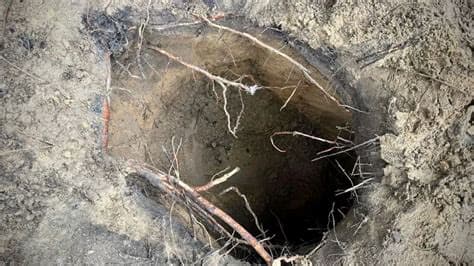
- Discovery:Lithuanian officials found an unfinished tunnel believed to be intended for migrant crossings from Belarus.
- Investigation:Authorities are investigating the tunnel's origins and potential networks involved.
- Border Security:The discovery comes as Lithuania enhances border security amid rising migration concerns.
Lithuanian authorities have recently uncovered an unfinished tunnel that is believed to have been constructed for the purpose of facilitating migrant crossings from Belarus. This significant discovery was made during ongoing efforts to monitor and secure the border area, which has seen increased scrutiny due to rising migration flows linked to Belarus.
The tunnel was located in a border region where Lithuania has been actively enhancing its security measures. Officials have not yet disclosed specific details regarding who constructed the tunnel or the exact route it was intended to take. However, they have confirmed that investigations are underway to identify any networks that may be involved in this operation.
This discovery is particularly timely as Lithuania, along with its European Union partners, has been grappling with a surge in migration from Belarus. The situation has prompted a series of responses aimed at bolstering border security and preventing illegal crossings. The Lithuanian government has previously accused Belarus of orchestrating a hybrid attack by encouraging migrants to cross into EU territory, which has led to heightened tensions in the region.
In response to these challenges, Lithuania has implemented various measures, including the construction of physical barriers and increased patrols along its borders. The discovery of the tunnel adds another layer of complexity to the ongoing migration crisis, as authorities work to dismantle potential smuggling networks that may be exploiting vulnerabilities in border security.
As investigations continue, Lithuanian officials are expected to provide further updates on the findings related to the tunnel and any associated networks. The situation remains fluid, and the government is committed to ensuring the safety and security of its borders while addressing the humanitarian aspects of migration.
The implications of this discovery extend beyond Lithuania, as it highlights the broader challenges faced by EU nations in managing migration flows and securing their borders against potential threats. As the situation evolves, it will be crucial for authorities to balance security measures with the need for humanitarian responses to those seeking refuge.
Published by Banx Network. This article is part of the Banx decentralized media programme, powered by the BXE token on the XRP Ledger.



