In the vast inventory of the cosmos, there is a discrepancy that has puzzled scientists for decades: where is all the ordinary matter? While dark matter and dark energy dominate the universe’s mass, the visible stuff—stars, gas, and planets—accounts for only a small fraction. Recent advancements in radio astronomy have offered a promising solution. By analyzing fast radio bursts (FRBs), researchers have developed a new method to pinpoint the location of this "missing" matter, shedding light on the hidden structures of the intergalactic medium.
Body: Fast radio bursts are intense flashes of radio waves that last only milliseconds but release as much energy as the sun does in days. When these bursts travel through space, they interact with electrons in the intergalactic medium, causing a slight delay in their arrival time. This phenomenon, known as dispersion, allows scientists to measure the amount of matter the signal has passed through. By studying multiple FRBs, researchers can map the distribution of ordinary matter across vast distances.
The new method improves upon previous techniques by using a larger sample of FRBs and more precise measurements. This increased accuracy helps to resolve the "missing baryon problem," which refers to the gap between the amount of matter predicted by cosmological models and the amount actually observed. The findings suggest that much of this matter exists as diffuse gas in the spaces between galaxies, too faint to be seen directly but detectable through its effect on radio signals.
This discovery has profound implications for our understanding of galaxy formation and evolution. The intergalactic medium serves as a reservoir of fuel for new stars, and knowing its density and distribution helps explain how galaxies grow and change over time. It also validates current cosmological models, reinforcing our confidence in the standard theory of the universe’s structure.
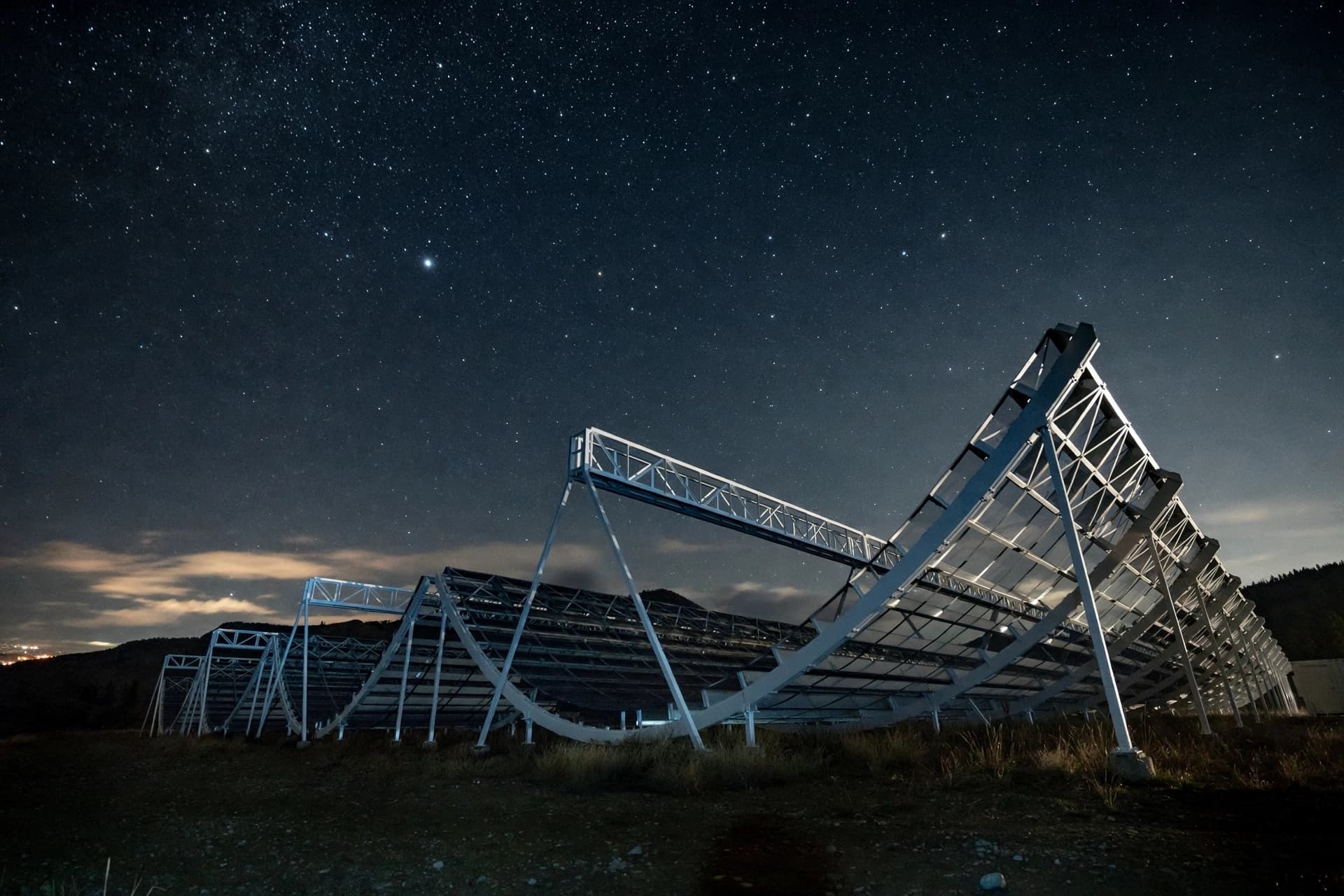
The technology behind this breakthrough involves advanced radio telescopes, such as the CHIME array in Canada and the ASKAP telescope in Australia. These instruments are designed to scan the sky continuously, capturing transient events like FRBs with high sensitivity. The collaboration between international teams has been crucial in pooling data and refining analysis methods.
For the public, the concept of "missing matter" can seem abstract, but it touches on fundamental questions about existence. Where did we come from? What is the universe made of? By locating this hidden material, scientists are piecing together the cosmic puzzle, bringing us closer to a complete picture of reality.
The search for missing matter is ongoing, with future missions planned to observe even more distant FRBs. As technology improves, the resolution of these maps will increase, revealing finer details of the cosmic web. Each new discovery adds a piece to the mosaic, transforming the unknown into the known.
Closing: The use of fast radio bursts to locate missing ordinary matter marks a significant milestone in cosmology. It demonstrates the power of innovative methods to solve longstanding mysteries. As we continue to listen to the whispers of the universe, we find that even the invisible leaves a trace.
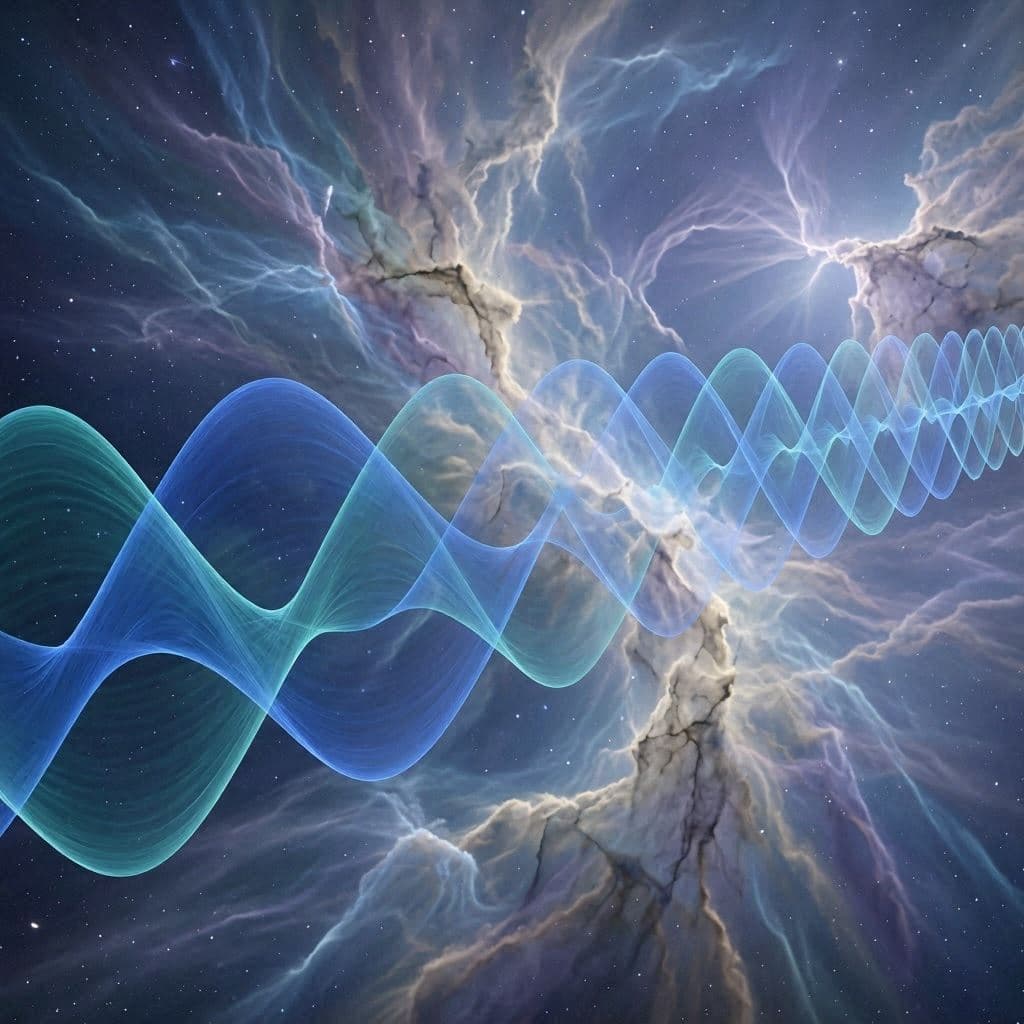
AI Image Disclaimer: Images included here are AI-generated conceptual illustrations of radio waves and cosmic structures, designed to visualize the abstract concepts of intergalactic matter and FRBs.
Sources: Nature CSIRO University of Toronto News BBC Science
Published by Banx Network. This article is part of the Banx decentralized media programme, powered by the BXE token on the XRP Ledger.