
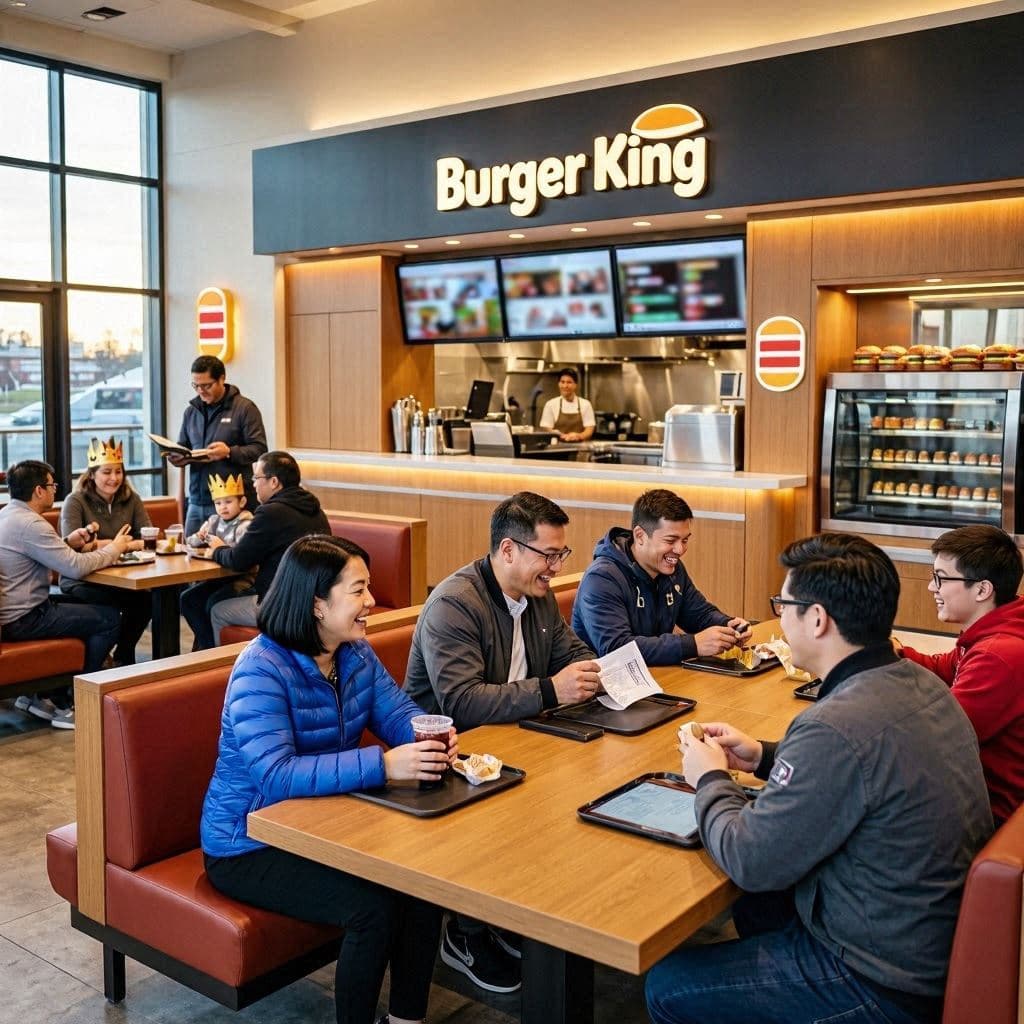
Key Highlights
- Major Changes:Burger King announces significant operational shifts based on customer feedback.
- Menu Simplification:The company is streamlining its menu to enhance order accuracy and speed.
- Digital Enhancements:Investments in technology aim to improve the customer ordering experience.
Burger King, a prominent player in the fast-food industry, is taking significant steps to adapt its operations based on extensive customer feedback. After gathering thousands of comments and complaints, the company has unveiled a series of changes aimed at improving its menu and service model. This initiative underscores the importance of consumer input in shaping corporate strategies, particularly in a competitive market where customer loyalty is paramount.
The operational changes are rooted in a thorough analysis of customer experiences, particularly focusing on key issues such as order accuracy, food quality, and wait times. Many patrons expressed dissatisfaction with inconsistent service and a complex menu. In response, Burger King is simplifying its offerings to ensure quicker preparation times and greater consistency. This strategic move is designed to minimize errors and enhance the overall dining experience, whether customers are dining in or ordering through digital channels.
A notable aspect of this revamp is the reintroduction of classic menu items that had previously been removed or altered. The decision to bring back these beloved dishes reflects the emotional connection many customers have with the brand. By catering to nostalgia, Burger King is demonstrating that it values tradition while also embracing innovation to meet diverse consumer tastes.
In addition to menu changes, Burger King is focusing on digital integration. The company is enhancing its mobile app and strengthening delivery partnerships to streamline the ordering process. Feedback indicated that technical issues and lengthy delivery times were significant pain points for customers. By investing in technology, Burger King aims to cater to a tech-savvy clientele that prioritizes convenience and speed, ultimately reducing friction in the customer experience.
Employee training is another critical area of focus in this operational overhaul. Staff members are receiving updated training on food preparation and customer service standards. By equipping employees with the necessary tools and knowledge, Burger King is acknowledging that satisfied employees lead to satisfied customers. This investment in human capital is essential for maintaining consistent quality across all locations.
The fast-food industry is characterized by intense competition, with various brands vying for market share. Burger King's proactive approach to adapting based on customer feedback provides it with a strategic advantage. This agility and customer-centric focus are crucial for long-term success. By addressing customer concerns head-on, the brand aims to rebuild loyalty and attract new patrons.
Franchisees play a vital role in implementing these changes, ensuring that the adjustments are practical at the local level. Collaboration between corporate leadership and franchise owners is essential for uniform execution of the new strategies. This partnership model helps balance the need for standardization with local market demands, creating a more resilient business structure.
In summary, Burger King's commitment to listening to customer feedback is evident in its recent operational changes. By making these meaningful adjustments, the company is reaffirming its dedication to quality and service. As these initiatives are rolled out, the focus remains on delivering an improved experience for every guest. Ultimately, satisfied customers will be the true measure of success for Burger King as it navigates the evolving landscape of the fast-food industry.
Published by Banx Network. This article is part of the Banx decentralized media programme, powered by the BXE token on the XRP Ledger.



