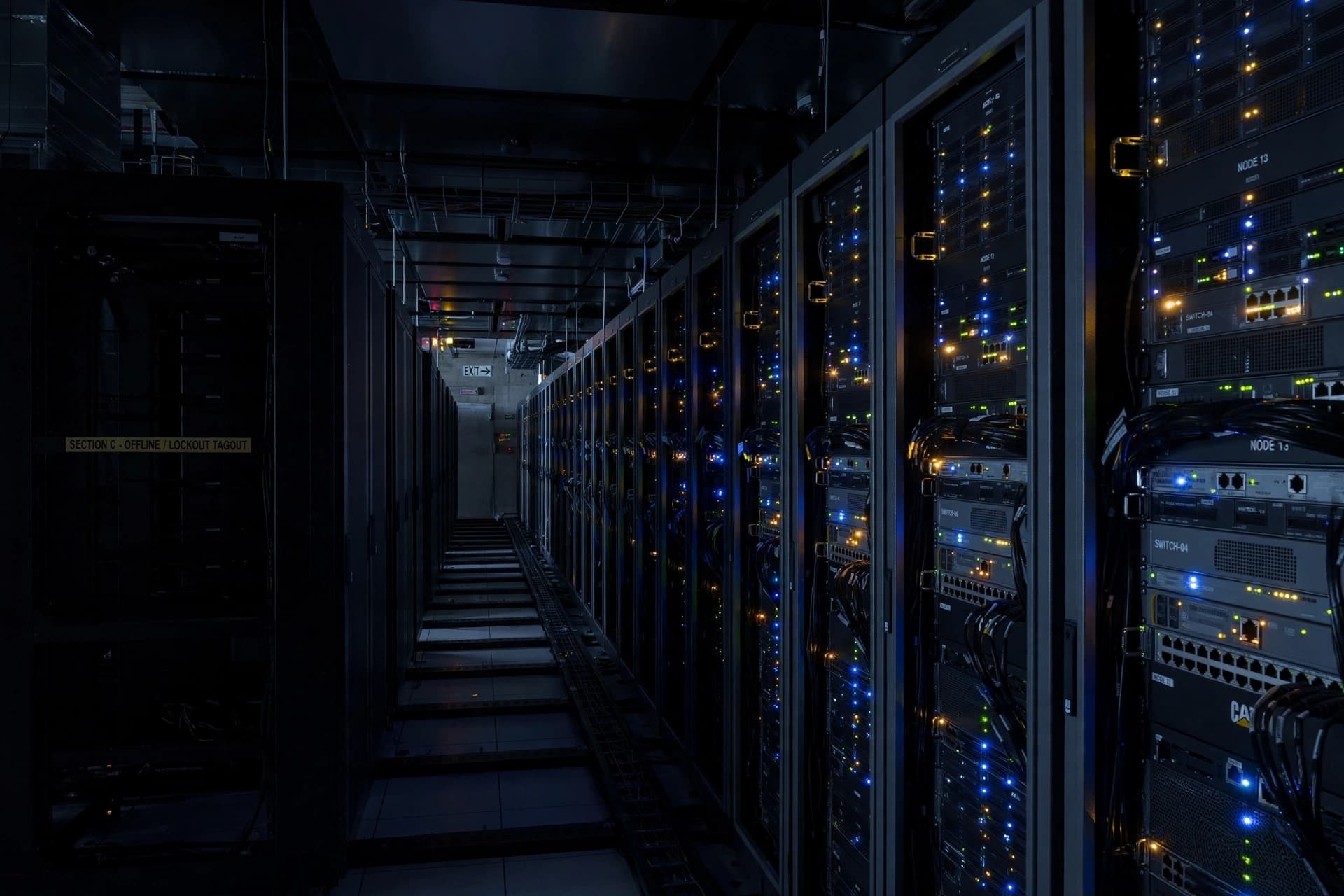
In the quiet hum of the digital age, there is a physical sound that often goes unnoticed: the whir of cooling fans and the buzz of servers in massive data centers. As these facilities grow in size to meet the demands of artificial intelligence and cloud computing, their footprint expands beyond the virtual realm into the physical environment. Recently, an environmental watchdog has challenged a proposed giant data center project, citing concerns over noise pollution. This dispute highlights the growing tension between technological progress and the quality of life in local communities.
The project in question involves the construction of a large-scale data hub, expected to house thousands of servers and require significant infrastructure. While proponents argue that it will bring jobs and economic investment, residents and environmental groups are worried about the constant low-frequency noise generated by the cooling systems. Unlike traffic or construction noise, which is intermittent, data center noise can be a continuous drone, potentially affecting sleep and well-being.
The environmental watchdog argues that current regulations may not adequately address the specific type of noise produced by these facilities. They have called for stricter limits and more comprehensive impact assessments before approval is granted. This challenge is not just about decibels; it is about setting a precedent for how industrial developments are evaluated in residential or semi-rural areas. The outcome could influence future projects across the country.
For the local community, the issue is personal. Many have lived in the area for years, enjoying its relative tranquility. The prospect of a 24/7 industrial operation nearby raises fears about property values and health impacts. They argue that the benefits of the data center, such as tax revenue, do not outweigh the potential degradation of their living environment. It is a classic conflict between local rights and national economic interests.
The developer has stated that they are committed to using state-of-the-art technology to minimize noise. They propose advanced soundproofing measures and directional cooling systems to reduce the impact on neighboring homes. However, skeptics remain unconvinced, pointing to other facilities where promises of quiet operations were not fully realized. Trust, once lost, is difficult to rebuild.
Legal experts note that noise pollution cases are complex, often relying on subjective measures of annoyance rather than just objective data. The court will need to balance technical evidence with community testimony. This case may lead to clearer guidelines on what constitutes acceptable noise levels for data centers, providing much-needed clarity for both developers and residents.
As the digital economy grows, the physical infrastructure required to support it will inevitably expand. Finding a way to integrate these facilities harmoniously into existing landscapes is a key challenge for urban planners and policymakers. It requires innovation not just in technology, but in community engagement and regulatory frameworks.
The challenge to the data center project underscores the importance of considering all environmental impacts, including noise, in the pursuit of technological advancement. As the case proceeds, it will serve as a test of how society balances the needs of the digital future with the well-being of present communities.
AI Image Disclaimer: The visual materials associated with this article are AI-generated and serve as illustrative aids rather than factual documentation.
Sources: The Guardian Local News Outlets Environmental Agency Reports BBC News
Published by Banx Network. This article is part of the Banx decentralized media programme, powered by the BXE token on the XRP Ledger.