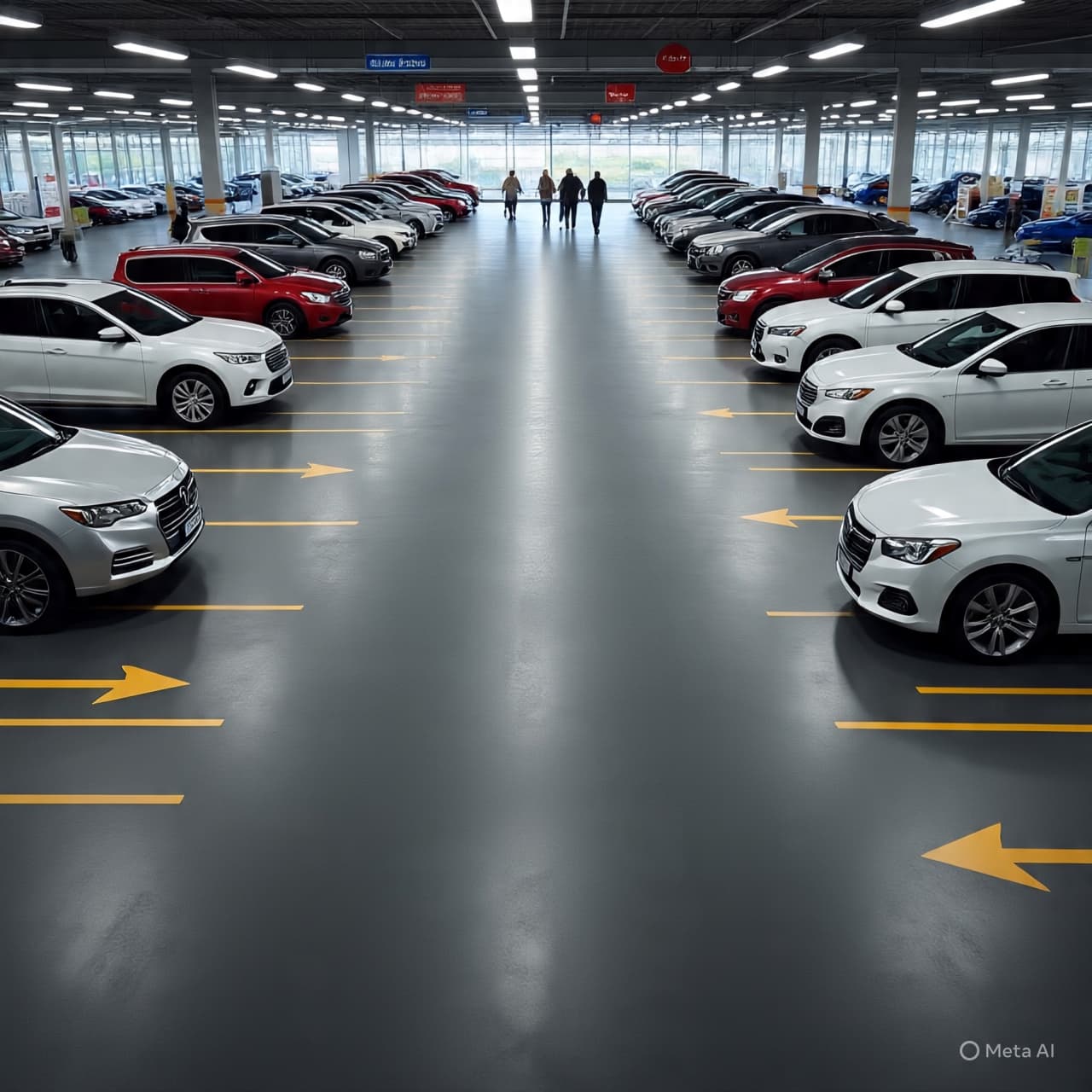
Painted lines and metal signs are meant to speak clearly. In supermarket carparks, they signal order, access, and consideration, guiding bodies and vehicles through shared space. Yet for some mobility users at a Pak’nSave store, those signals have felt blurred, leaving daily errands shadowed by uncertainty rather than ease.
Complaints have surfaced over whether the carpark layout provides adequate safety and access for people using wheelchairs, mobility scooters, or walking aids. Shoppers describe tight spaces, traffic flow that feels unforgiving, and moments where moving from car to store requires heightened vigilance. What should be routine becomes a calculation of angles, timing, and trust.
Pak’nSave has responded by pointing to recent adjustments and compliance with accessibility standards, saying changes have been made to improve safety and visibility. The company has acknowledged the concerns, outlining measures such as clearer markings, signage, and engagement with feedback. On paper, the framework exists. On the ground, experiences vary, shaped by speed, crowding, and how closely design meets the realities of movement.
Accessibility is rarely only about dimensions. It is about predictability and respect, about whether space allows time to cross without pressure and room to pause without risk. In busy retail environments, peak hours compress margins for error. For mobility users, that compression can feel personal, turning infrastructure into an obstacle rather than an invitation.
The conversation reflects a broader challenge facing public and commercial spaces. Compliance can meet the letter of regulation while missing its spirit. Listening to those who navigate these spaces daily often reveals small details that carry large consequences: a curb that catches a wheel, a crossing that fades under tires, a turning radius that assumes speed.
As Pak’nSave reviews and responds, the carpark becomes more than a place to leave a vehicle. It becomes a test of whether accessibility is treated as a checklist or as an ongoing relationship with the people it serves. Safety, after all, is not declared by signs alone. It is felt in the confidence to move without hesitation, to arrive without fear, and to leave knowing the space was designed with everyone in mind.
AI image disclaimer Illustrations were created using AI tools and are not real photographs.
Sources Pak’nSave Radio New Zealand New Zealand Herald Office for Disability Issues
Published by Banx Network. This article is part of the Banx decentralized media programme, powered by the BXE token on the XRP Ledger.