

In the subtle wake of policy and diplomacy, there are moments when a handshake on paper ripples far beyond the room in which it was signed. Botswana recently finalized a health cooperation agreement with the United States under Washington’s America First Global Health Strategy, intended to strengthen health systems and disease monitoring over the coming years. But instead of sitting quietly on negotiating tables, this pact has stirred a wider conversation — about national autonomy, health security, and the meaning of sovereignty in an interconnected world.
At its heart, the arrangement — a multi‑year Memorandum of Understanding co‑financed by Botswana and the United States — seeks to support expanded health data systems, outbreak tracking, and public‑health capacity. In theory, such cooperation can offer resources and technical expertise that many nations value deeply. Yet in practice, some critics have voiced concern that when agreements involve stringent reporting timelines, data sharing obligations, and performance benchmarks, they can shape priorities in ways that feel externally directed rather than domestically led.
For years, Botswana has been lauded for its innovative health responses, from pioneering HIV‑prevention programmes to ambitious primary care reforms. But the country also faces persistent challenges: medicine supply disruptions, hospital strain, and broader systemic pressures that led to the declaration of a public health emergency in 2025. These conditions add texture to how citizens and civil society interpret international accords — especially when they touch on sensitive areas like health data governance and strategic planning.
The debate unfolding in Botswana reflects a broader thread weaving through many African capitals, where bilateral health partnerships — involving not only the United States but other global actors — are prompting reflection on how best to balance external partnerships with internal priorities and legal frameworks. Across the region, courts and advocacy groups have already grappled with similar issues: in Kenya, for example, a health data deal was paused by judicial review amid concerns about oversight and privacy.
In Gaborone’s meeting rooms and community discussions alike, there is no simple dichotomy between cooperation and self‑determination. Instead, there is a shared awareness that health security is both a global project and a sovereign responsibility — one that calls for clarity, public engagement, and careful calibration between outside support and domestic agency. As Botswana negotiates its path forward, the contours of this agreement — and the conversation it has ignited — are likely to shape how the nation sees its role in a world where health, data, and sovereignty increasingly intersect.
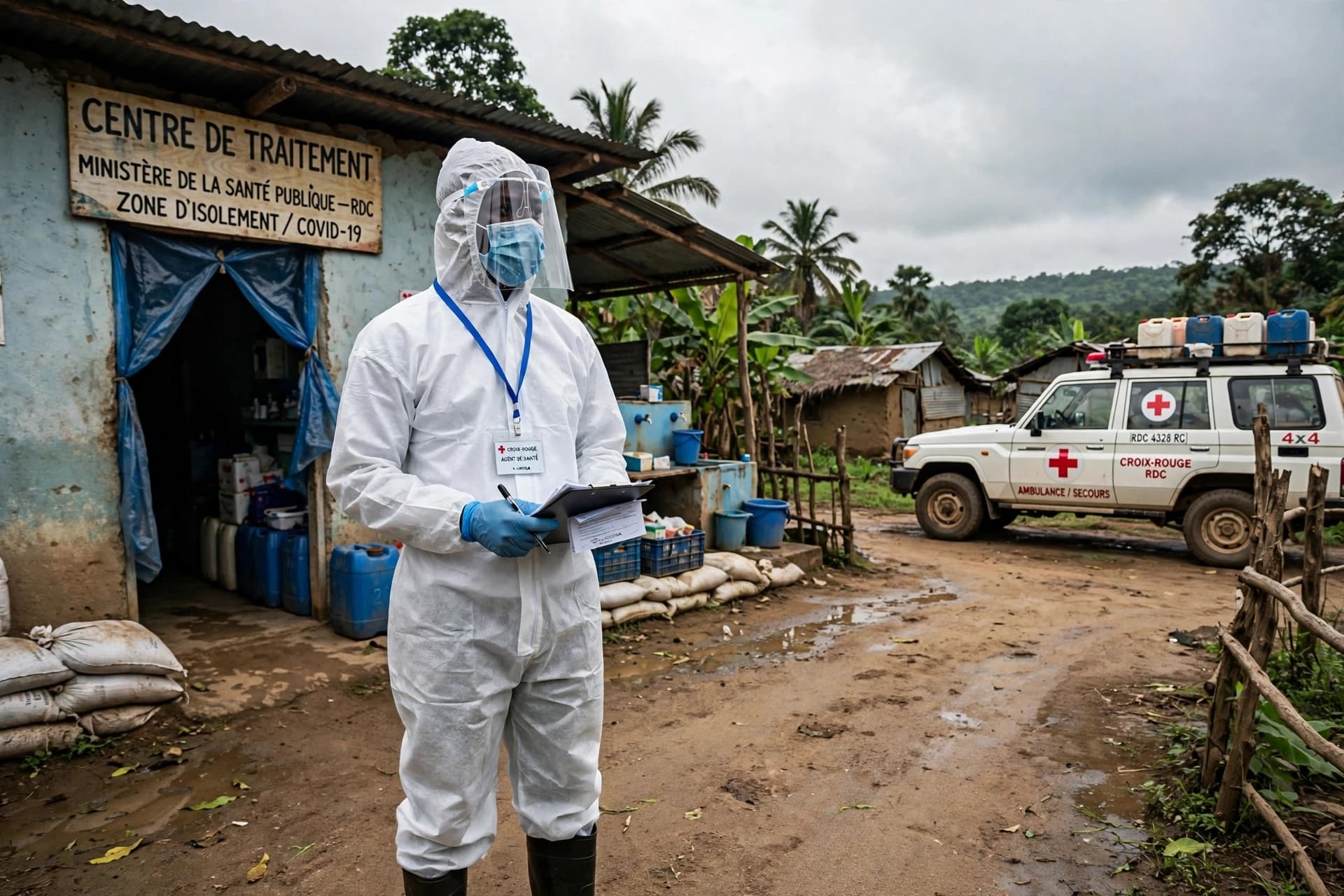
AI Image Disclaimer Visuals are created with AI tools and are not real photographs.
Sources Trends NAfrica – Controversial Health Agreement Raises Alarm Over Botswana’s Sovereignty and Health Security The Africa Report – ‘America First’ health deals spark row over Africans’ medical privacy and power Diario Las Américas – Kenya court health data agreement sovereignty concerns Reuters – US signs health agreements with African nations under new strategy
Published by Banx Network. This article is part of the Banx decentralized media programme, powered by the BXE token on the XRP Ledger.


.jpg&w=3840&q=75 "Qantas Grounds Plane After Passengers Report Bedbug Bites")