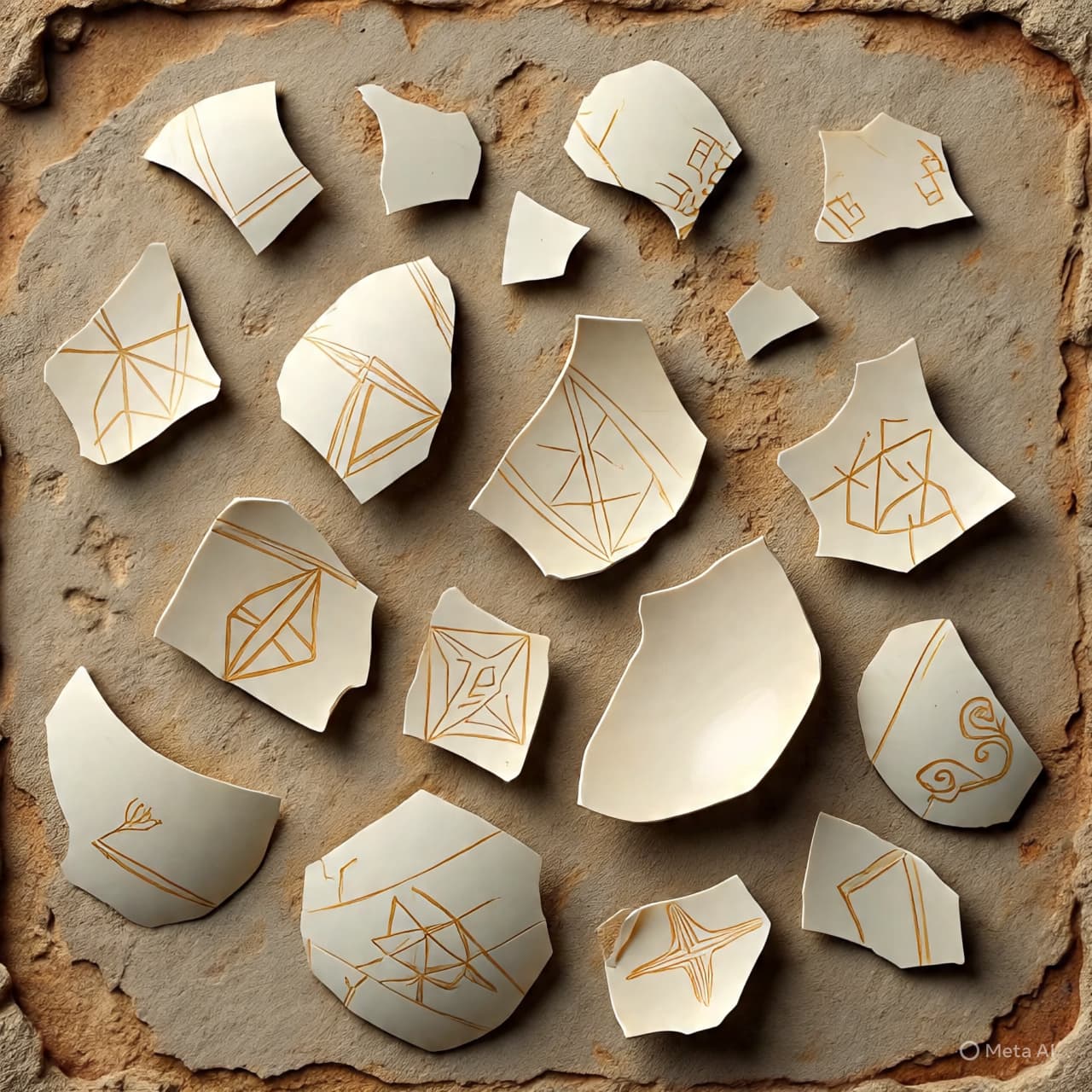
In the wide and wind-shaped landscapes of ancient Africa, where horizons stretch without interruption, even the smallest object could carry immense meaning. An eggshell, light enough to cradle in one hand, might seem too fragile to outlast centuries. And yet, from beneath layers of sand and sediment, fragments of ostrich eggshell have emerged bearing delicate etched patterns—lines, crosshatches, repeating motifs. They are quiet marks, almost modest in their geometry. But in their restraint lies a profound question: what were our ancestors trying to say?
Recent analyses of engraved ostrich eggshell fragments, uncovered at archaeological sites in southern and eastern Africa, have drawn renewed scholarly attention. These objects date back tens of thousands of years, some estimated to be around 60,000 years old. Their age alone places them among the earliest known examples of symbolic expression attributed to Homo sapiens. Unlike utilitarian tools shaped purely for survival, these etched shells appear to suggest intention beyond function.
Ostrich eggshells were not merely canvases. In many early human communities, they served practical purposes. The durable shells could be fashioned into water containers, an essential resource in arid environments. A small opening would be made, allowing the egg’s contents to be removed, after which the hollow shell could store precious liquid. The engravings often appear near these openings, suggesting they may have functioned as markers—perhaps to indicate ownership, group identity, or content.
Yet the repetition of certain motifs complicates the picture. Some fragments reveal consistent geometric patterns across different excavation layers, implying shared design traditions over generations. This consistency suggests cultural transmission, a passing of ideas from one group to another, or from elders to youth. In that continuity, scholars see evidence of abstract thinking and social cohesion. A pattern repeated is not accidental; it is remembered.
Researchers have used microscopic imaging and comparative analysis to distinguish deliberate engravings from incidental scratches. The lines show uniform depth and directional control, characteristics of intentional carving rather than random abrasion. Such findings strengthen the argument that these markings were purposeful and meaningful within their original communities.
There is something quietly stirring in the idea that before written language, before clay tablets or parchment, humans were already inscribing symbols onto everyday objects. The ostrich eggshell, at once practical and portable, became a surface for identity. It was not monumental art carved into stone cliffs; it was personal, perhaps intimate. A vessel for water might also have been a vessel for belonging.
The broader implications extend beyond artistry. Archaeologists interpret these etchings as evidence of cognitive sophistication. Symbolic behavior—creating and recognizing shared symbols—signals complex social structures and communication systems. It suggests that long before cities rose or alphabets formed, human communities were already weaving invisible threads of meaning between them.
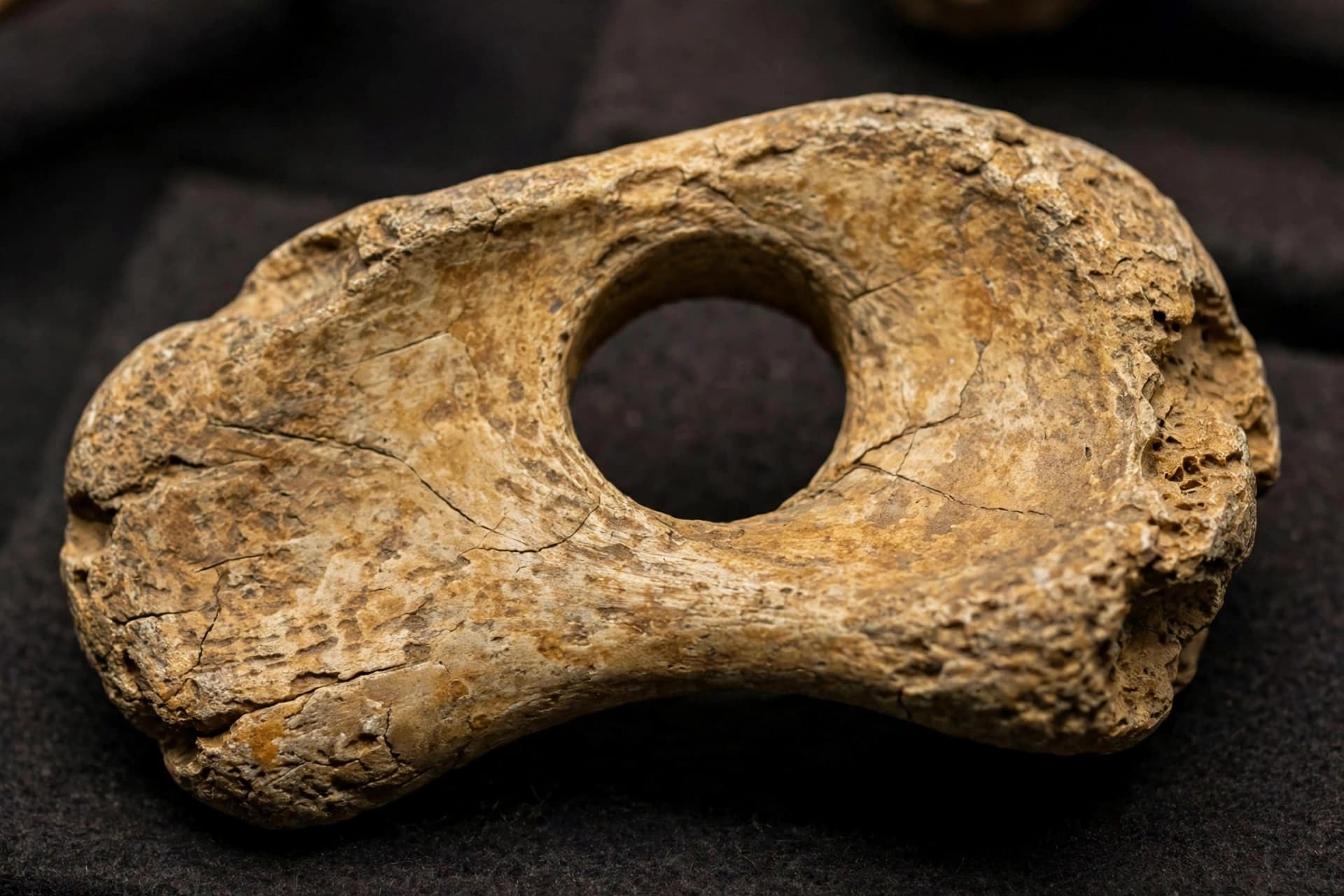
And still, humility is necessary. We cannot fully decode what those lines meant to the people who made them. Were they clan emblems? Decorative flourishes? Spiritual symbols? The silence of time resists easy translation. What remains is the artifact itself, steady and understated.
In closing, the latest analyses confirm that the ostrich eggshell etchings were deliberate, patterned, and culturally transmitted. They add to growing evidence that symbolic expression flourished in Africa far earlier than once assumed. As research continues, these fragile fragments may help refine our understanding of early human creativity and communication. For now, they stand as enduring traces—small carvings that quietly testify to the depth of ancient thought.
AI Image Disclaimer Graphics are AI-generated and intended for representation, not reality.
Sources Nature Science National Geographic Smithsonian Magazine BBC
Published by Banx Network. This article is part of the Banx decentralized media programme, powered by the BXE token on the XRP Ledger.