
In the subdued rhythm of early morning briefings and distant capitals, diplomacy often arrives not with a declaration, but with a document—pages that move quietly across desks, carried more by intent than urgency. Somewhere between the shifting light of Washington, D.C. and the measured calm of Islamabad, a new proposal has begun its slow journey outward, seeking not attention but reception.
The administration of Donald Trump has outlined what it describes as a 15-point framework aimed at easing long-standing tensions with Iran. The details, while structured and deliberate, seem to echo a familiar pattern—calls for de-escalation, renewed oversight, and the careful reweaving of agreements once unraveled. It is less a sudden turn than a continuation of a long conversation, paused and resumed across years, across administrations, across shifting global priorities.
The proposal emerges at a time when the memory of earlier accords still lingers faintly in diplomatic corridors. Those agreements, once dense with promise, now exist more as reference points than living frameworks. In their place, this new outline gestures toward restraint—toward limits on nuclear development, toward verification measures, toward a gradual easing of pressures that have shaped the region’s recent past.
Yet the document does not travel alone. From Pakistan comes an offer, quiet but notable: a willingness to host talks, to provide a setting where distance might narrow into dialogue. It is an invitation shaped by geography and history alike—Pakistan positioned not at the center of the dispute, but close enough to understand its contours, and distant enough to offer neutrality.
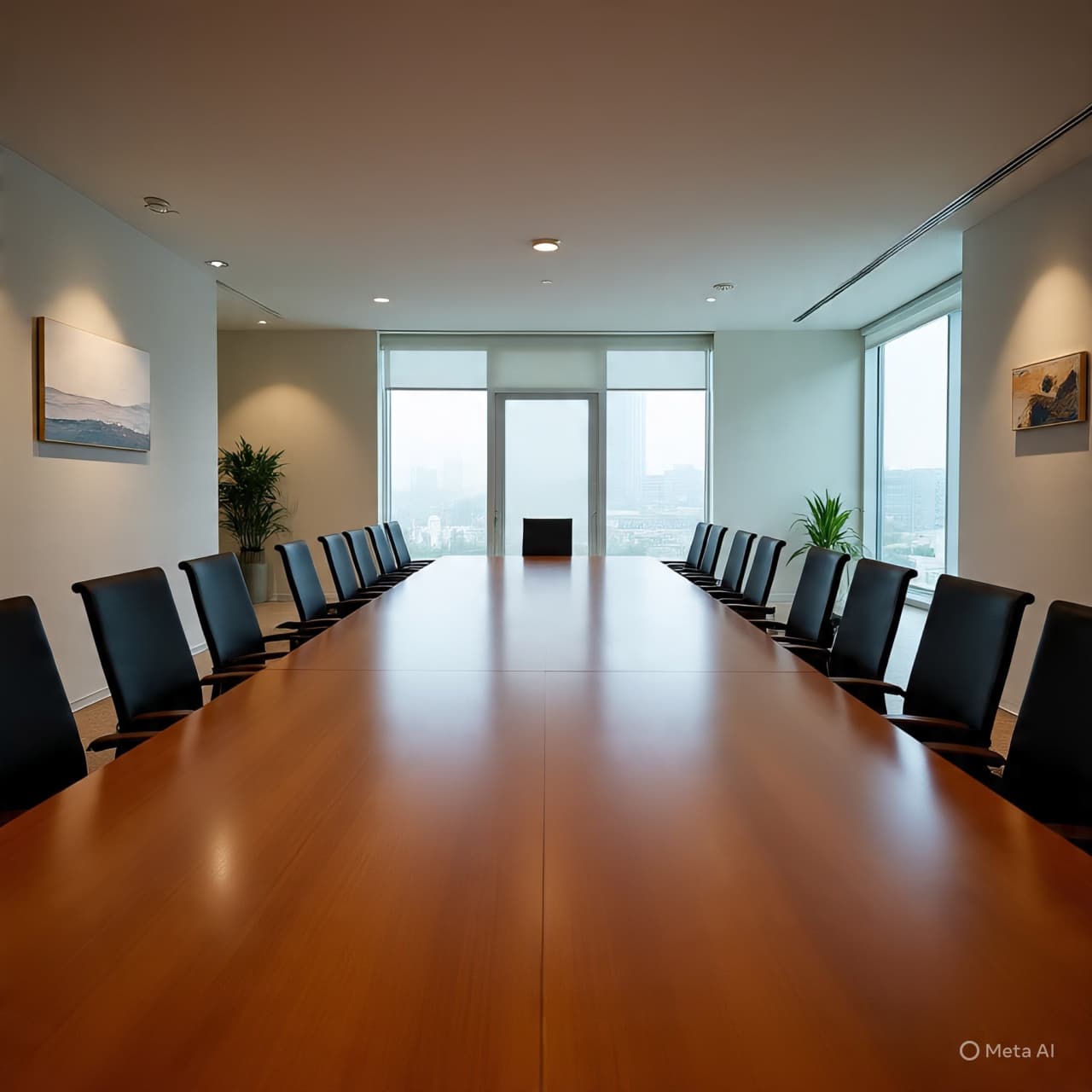
In such gestures, diplomacy often finds its most human dimension. Not in the clauses or conditions, but in the act of convening—in the idea that conversation itself remains possible. Islamabad’s offer suggests a table not yet set, but ready; a room not yet filled, but open.
Around these movements, the wider world continues its steady course. Markets rise and fall with quiet sensitivity to headlines. Analysts trace implications in careful lines, measuring what might shift if talks begin, and what might harden if they do not. For regional neighbors, the proposal is less an endpoint than a signal—one that hints at recalibration, or perhaps merely at another attempt to find equilibrium.
There is, in all of this, a sense of repetition softened by time. The language of peace, after all, rarely changes dramatically; it circles familiar themes, returning to them with slight variations, hoping that context has shifted enough to allow progress. What differs now is not necessarily the ambition, but the moment—the accumulation of years, pressures, and altered alignments that give even a familiar proposal new weight.
As the outline moves forward, its future remains uncertain, as such efforts often are. Whether it becomes a foundation for renewed engagement or simply another document archived in the long history of negotiation will depend on responses yet to come—from Tehran, from allies, from the quiet calculations made behind closed doors.
For now, the facts settle into place with a kind of stillness: a 15-point proposal offered by the Trump administration, and an open invitation from Pakistan to host discussions. Between them lies a space not yet defined, where possibility lingers—fragile, tentative, and shaped by the enduring hope that even the most prolonged tensions might, eventually, find their way toward conversation.
AI Image Disclaimer Illustrations were created using AI tools and are not real photographs.
Sources Reuters Associated Press Al Jazeera BBC News The New York Times
Published by Banx Network. This article is part of the Banx decentralized media programme, powered by the BXE token on the XRP Ledger.
.jpg&w=3840&q=75 "Blake Lively Awarded $400,000 in Legal Fees After Justin Baldoni Lawsuit Dismissed")

.jpg&w=3840&q=75 "US Declares Drought Disaster for Parts of Puerto Rico as Dry Conditions Persist")