
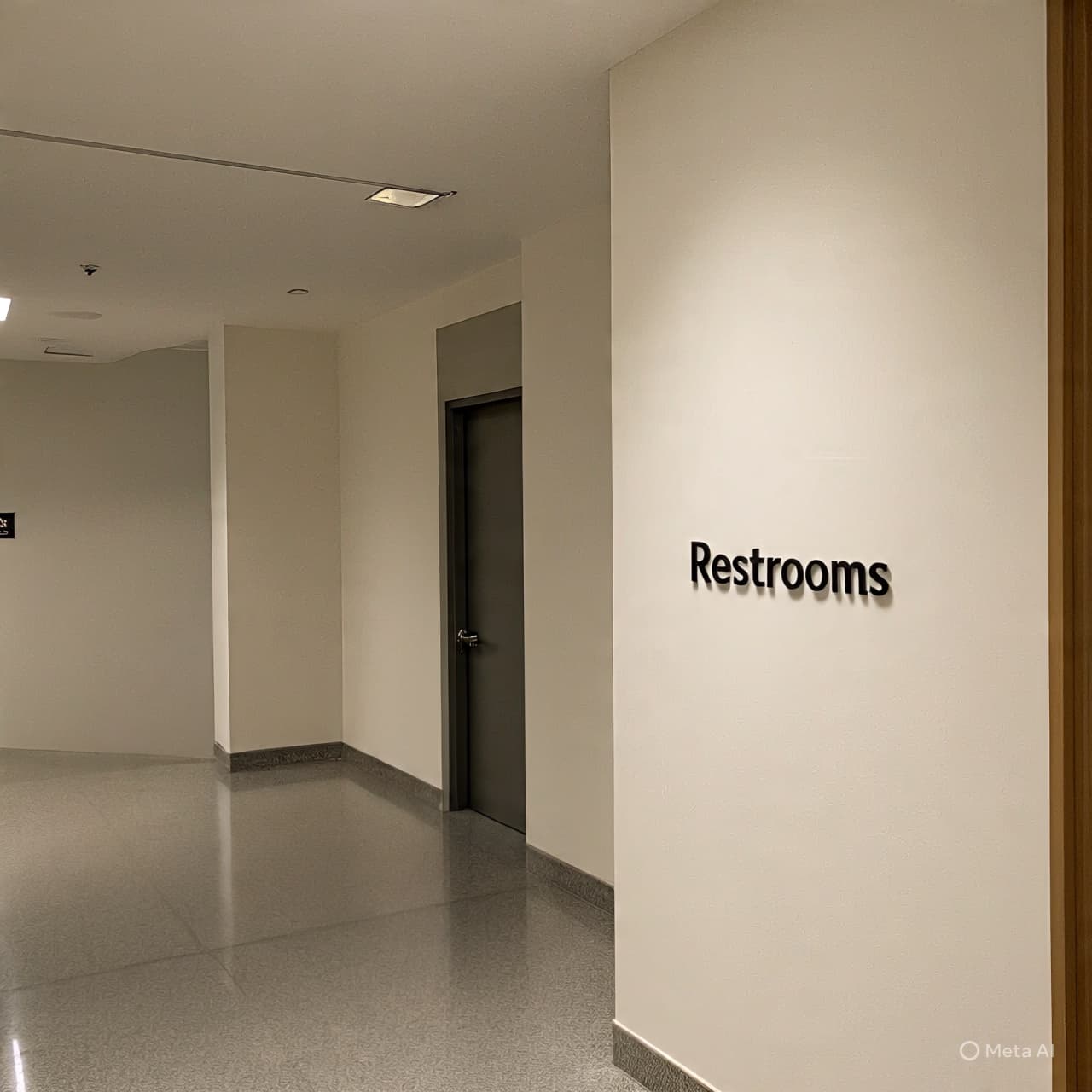
In the marbled corridors of the statehouse, where debate echoes beneath high ceilings and procedure unfolds in measured steps, a decision took shape that will ripple far beyond the chamber walls. With votes cast and objections overridden, a new chapter in Kansas law began.
Republican lawmakers in Kansas voted to override a veto and enact legislation restricting transgender individuals’ access to certain public bathrooms and facilities. The override nullified the objections of Laura Kelly, who had argued the bill would invite legal challenges and deepen divisions within the state.
The measure defines access to public restrooms, locker rooms, and similar facilities in government buildings and some public institutions based on biological sex as assigned at birth. Supporters say the law is intended to preserve privacy and safety in single-sex spaces. Opponents contend it targets transgender residents and risks marginalizing a vulnerable population.
The override required supermajorities in both legislative chambers, a threshold Republican leaders were able to meet. In statements following the vote, sponsors framed the law as a matter of clear statutory guidance. Democratic lawmakers and civil rights advocates, meanwhile, warned that the policy could expose the state to costly litigation and economic backlash.
Governor Kelly had vetoed the bill earlier, citing concerns about its impact on businesses, schools, and the state’s broader reputation. In her veto message, she urged lawmakers to focus instead on issues she described as more pressing for Kansas families. The legislature’s action marks one of several recent efforts across the country to regulate access to gender-segregated spaces.
Legal analysts note that similar laws in other states have faced court challenges, with outcomes varying depending on jurisdiction and specific provisions. Advocacy groups on both sides have signaled that further legal scrutiny is likely.
For transgender Kansans and their families, the development carries immediate practical questions: how institutions will implement the law, how complaints will be handled, and what recourse exists if disputes arise. For lawmakers, the vote reflects a broader national debate over gender identity, civil rights, and the role of government in defining public policy.
As evening settled over Topeka, the statehouse dome stood illuminated against the prairie sky. Inside, the tally was complete; outside, the conversation is only beginning—about rights, responsibilities, and how communities navigate change in a divided era.
AI Image Disclaimer
These illustrations are AI-generated representations created for contextual purposes and do not depict actual events or individuals involved.
Sources
Associated Press Kansas State Legislature Office of the Governor of Kansas Reuters
Published by Banx Network. This article is part of the Banx decentralized media programme, powered by the BXE token on the XRP Ledger.
.jpg&w=3840&q=75 "US Declares Drought Disaster for Parts of Puerto Rico as Dry Conditions Persist")

