
Key Highlights
- Transpower advocates for reform of the Public Works Act 1981 to enhance electricity transmission.
- Growing demand for electricity due to electrification and population growth necessitates grid expansion.
- Balancing public benefit with private rights is crucial in any proposed reforms.
[The Need for Reform]
As New Zealand moves towards a more electrified future, the national grid operator, Transpower, has raised an urgent call for a comprehensive overhaul of the Public Works Act 1981. This legislation, which governs land acquisition for infrastructure projects, is seen as outdated in the face of rapidly increasing electricity demands driven by the electrification of transport and industry, as well as population growth in certain regions. The need for a “fit for purpose” approach to the law is critical to ensure that the country’s electricity transmission system can expand at the pace required by the ongoing energy transition.
[Current Challenges]
The demand for electricity is on the rise, with forecasts indicating significant increases due to various factors, including the shift away from fossil fuels and the growing number of renewable energy sources such as wind and solar. However, the generation of electricity is only part of the equation; the infrastructure to transport this power to homes, factories, and charging stations is equally vital. Transpower has highlighted that the existing processes under the Public Works Act can be lengthy and complex, often leading to delays that hinder timely upgrades to the transmission network.
[Balancing Interests]
Transpower's executives have emphasized that their request for reform is not about circumventing necessary consultations with stakeholders but rather about enhancing clarity and efficiency in the land acquisition process. The transmission corridors often intersect with private farmland, conservation areas, and urban developments, necessitating thorough environmental assessments and engagement with local iwi. In a landscape where even minor delays can stall significant infrastructure projects, the urgency for reform becomes apparent.
[Policy Context]
The broader policy landscape in New Zealand is one of ambition, with successive governments setting targets to reduce emissions and increase renewable electricity generation. Achieving these goals will require not only new generation projects but also the reinforcement of existing substations and the construction of additional high-voltage lines. Energy analysts point out that the decisions made today regarding transmission infrastructure will have long-lasting implications, potentially shaping the energy landscape for decades to come.
[Landowner Concerns]
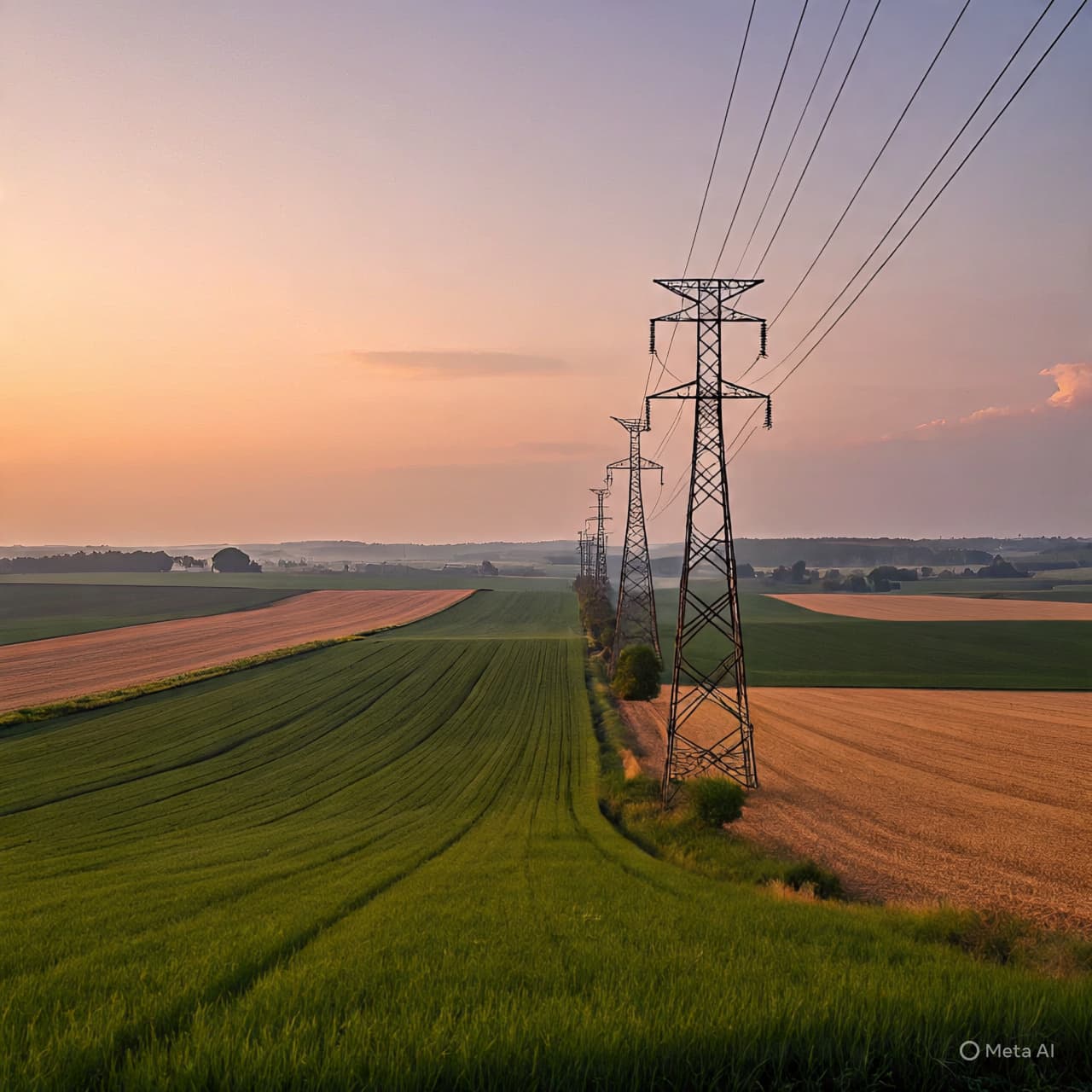
For landowners, the implications of transmission infrastructure are immediate and personal. The presence of transmission towers can alter the visual landscape, and easements can impact land use and property values. The Public Works Act was designed to balance the public good with private property rights, and any proposed reforms must carefully navigate this balance while addressing the pressing needs of the national energy system.
[Government Response]
Government ministers have acknowledged the challenges faced by infrastructure providers and have indicated that reviews of planning and land acquisition laws are being considered. The outcome of these reviews, whether they lead to targeted amendments or broader reforms, remains uncertain. However, the ongoing discussions signal a recognition of the need for a more responsive legislative framework to support New Zealand's energy transition.
As the country continues to look towards a more electrified future, the conversation surrounding the laws that govern electricity transmission is becoming increasingly critical. The challenge lies not only in expanding the grid but in ensuring that the pathways created are sustainable and equitable, fostering connections rather than divisions across the landscape.
Published by Banx Network. This article is part of the Banx decentralized media programme, powered by the BXE token on the XRP Ledger.



