Innovation is often described as a spark, but in the realm of space exploration, it is more akin to a carefully tended flame, nurtured by curiosity and sustained by rigorous engineering. As humanity looks toward the next frontier of cosmic discovery, NASA has announced the recipients of its 2026 Innovative Technology Concepts awards. This initiative highlights a diverse array of proposals that promise to reshape how we explore, understand, and interact with the universe, marking a significant step forward in the agency’s commitment to future-ready solutions.
The selected concepts span a wide spectrum of scientific and engineering disciplines, from advanced propulsion systems to novel methods for planetary surface analysis. These early-stage ideas are not yet ready for flight, but they represent the foundational thinking that could lead to breakthroughs in the coming decades. By investing in these nascent technologies, NASA aims to maintain its leadership in space science while fostering a culture of creative risk-taking among researchers and engineers.
One of the key areas of focus is sustainable exploration. Several awarded projects address the challenges of long-duration missions, such as efficient resource utilization and closed-loop life support systems. These innovations are critical for establishing a permanent human presence on the Moon and eventually Mars, where self-sufficiency will be paramount. The ability to generate fuel, water, and oxygen from local materials could drastically reduce the cost and complexity of deep space travel.
Another significant portion of the awards goes to robotic exploration technologies. New designs for autonomous rovers and drones aim to navigate difficult terrains, such as the icy crusts of ocean worlds or the rugged landscapes of asteroids. These robots will serve as the eyes and hands of scientists, collecting data in environments too hazardous for human explorers. Their development relies on advances in artificial intelligence and materials science, fields that are rapidly evolving.
The selection process emphasizes diversity and inclusion, ensuring that ideas come from a broad range of institutions, including small businesses, universities, and non-traditional partners. This approach helps to uncover unique perspectives and solutions that might otherwise be overlooked. It also strengthens the national innovation ecosystem by providing opportunities for emerging talent and underrepresented groups to contribute to space exploration.
NASA officials have noted that while many of these concepts may not result in immediate hardware, the knowledge gained during their development is invaluable. Failure is often a teacher, and even unsuccessful prototypes can yield insights that inform future designs. The agency views this program as an investment in intellectual capital, building a reservoir of expertise that can be drawn upon when specific mission needs arise.
As the winners begin their work, the broader scientific community watches with anticipation. The potential applications of these technologies extend beyond space, offering benefits for industries on Earth, such as healthcare, energy, and manufacturing. The cross-pollination of ideas between space and terrestrial sectors continues to drive progress in both arenas, demonstrating the far-reaching impact of space investment.
The 2026 Innovative Technology Concepts awards underscore NASA’s dedication to pushing the boundaries of what is possible. By supporting bold ideas today, the agency is laying the groundwork for the discoveries of tomorrow, ensuring that the spirit of exploration remains vibrant and forward-looking.
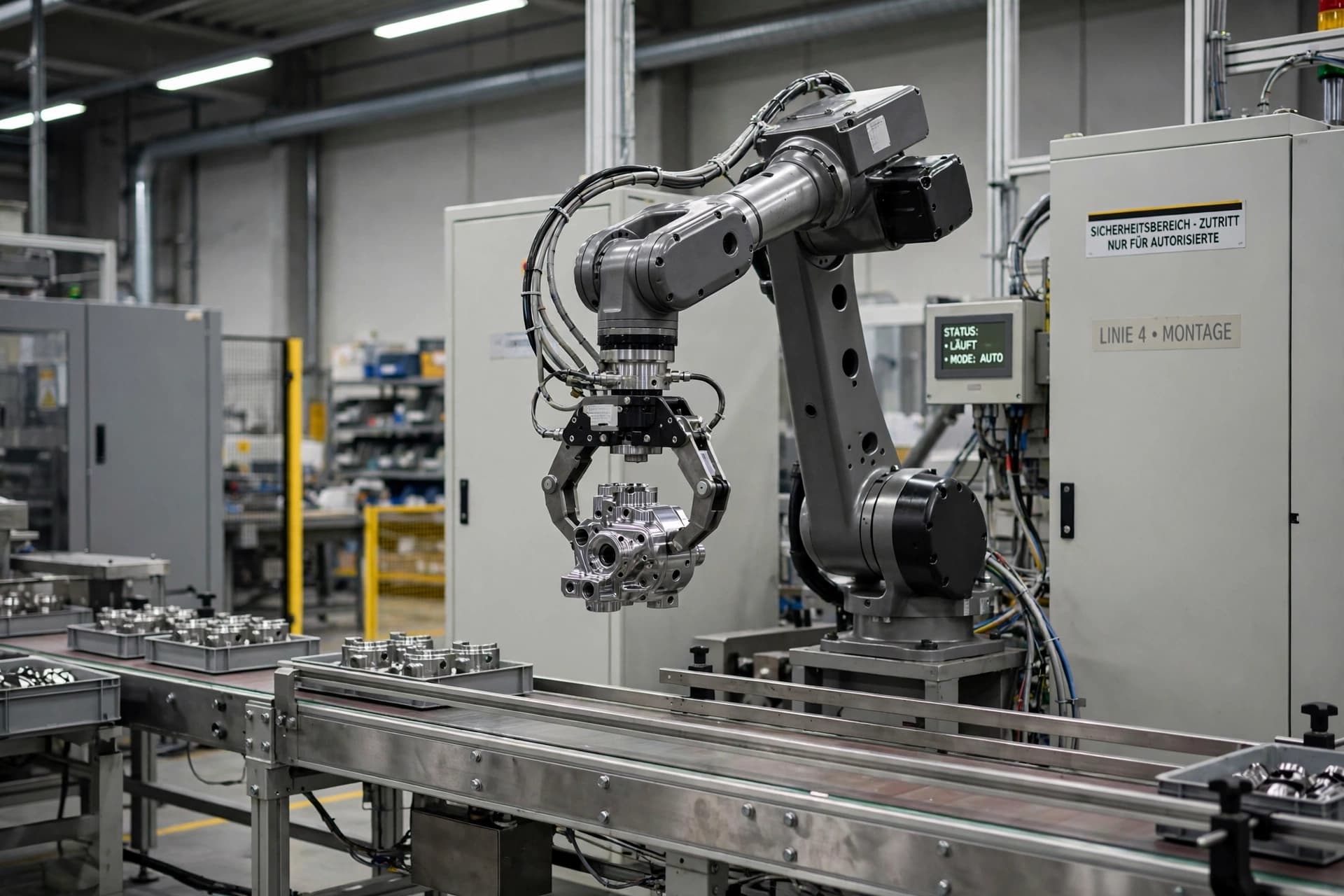
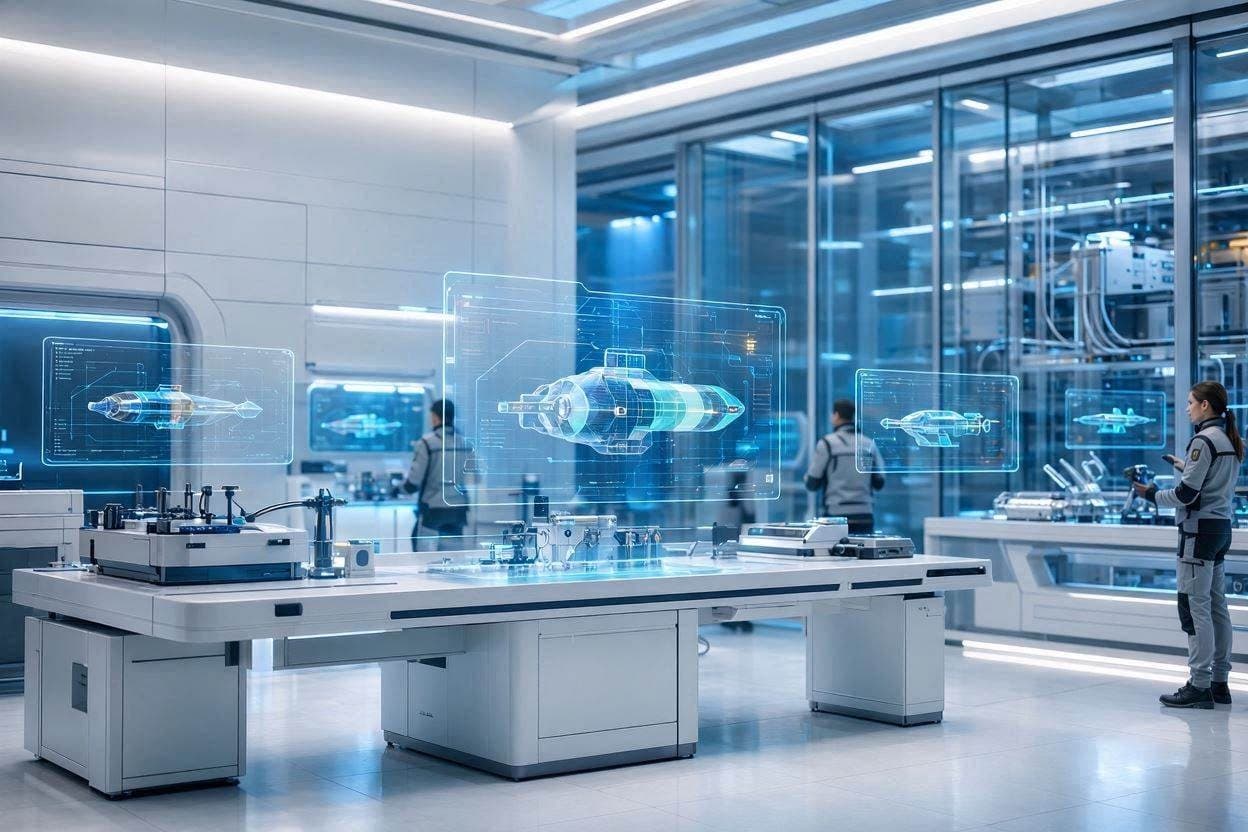
AI Image Disclaimer: The visuals accompanying this article are AI-generated illustrations designed to represent the themes of futuristic technology and space innovation.
Sources: NASA.gov, SpaceNews, TechCrunch, The Verge
Published by Banx Network. This article is part of the Banx decentralized media programme, powered by the BXE token on the XRP Ledger.