
Key Highlights
- Increased police presence in Tokyo's neighborhoods due to recent robberies.
- Convenience stores, or konbini, are vital community hubs now facing security challenges.
- The Tokyo Metropolitan Police are collaborating with store owners to enhance safety measures.
In recent weeks, the convenience stores of Tokyo, known as konbini, have become focal points of concern as a series of robberies has prompted the Tokyo Metropolitan Police to increase their night patrols. These brightly lit establishments, often seen as lighthouses in the urban landscape, provide essential services and a sense of security in a city that never truly sleeps. However, the recent surge in crime has disrupted this sense of safety, leading to heightened vigilance across the metropolis.
The robberies, characterized by their suddenness and the vulnerability of late-night workers, have raised alarms in neighborhoods that typically enjoy a reputation for safety. Investigators are actively mapping these incidents to identify patterns and potential suspects, as the police presence transforms the once-quiet corners of the city into areas of heightened alertness. The rhythmic pulse of patrol cars is now a common sound, altering the atmosphere of Tokyo's nightlife.
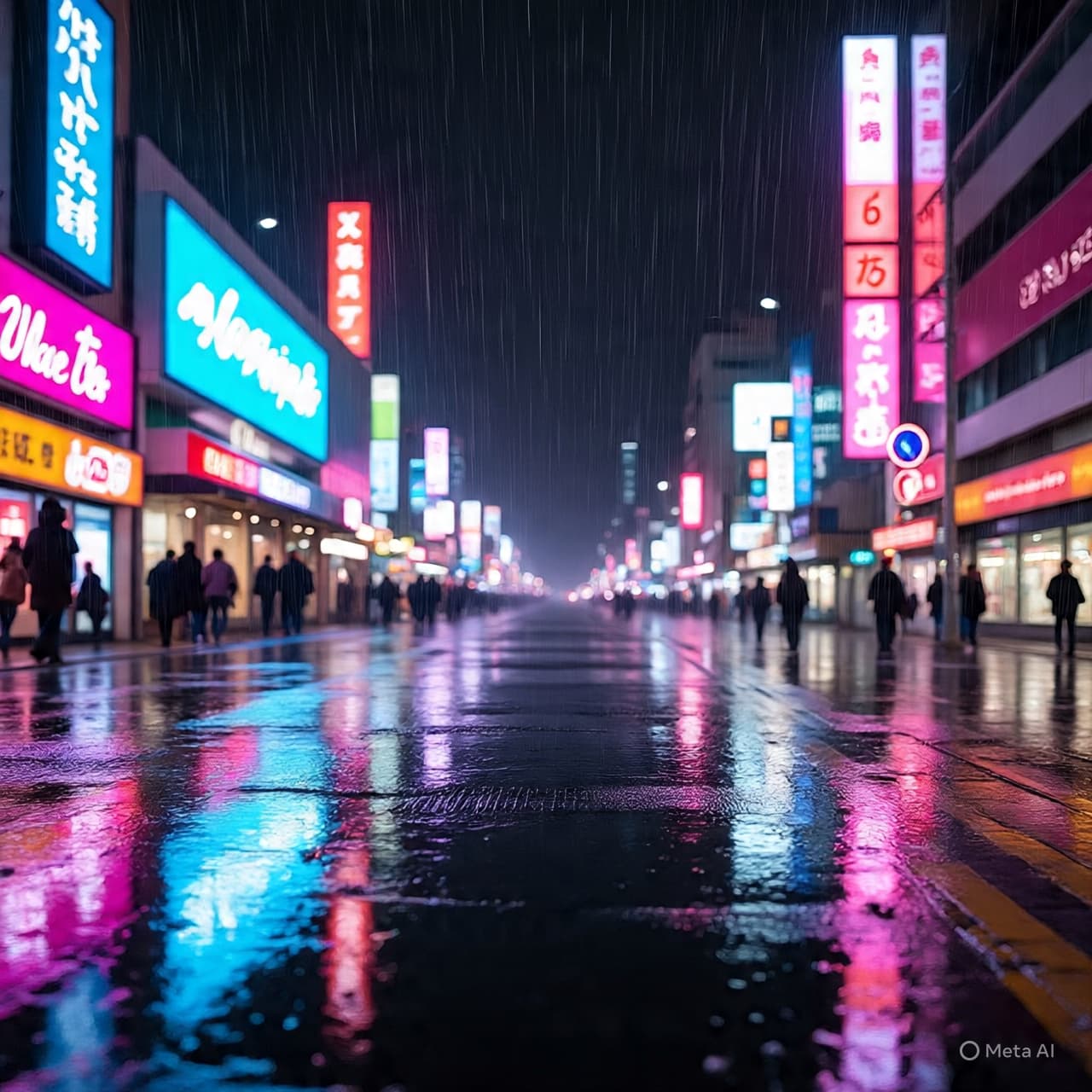
Walking through districts like Shinjuku or Setagaya after midnight now feels different. The increased police visibility serves as a protective measure against an unseen threat, aiming to reassure both workers and residents. Officers patrol with a calm demeanor, their flashlights illuminating dark alleys and parking lots, embodying a narrative of watchfulness and community safety.
The impact of these robberies extends beyond immediate financial losses; they create a psychological toll on employees and customers alike. The bright lights of the konbini, once a source of comfort, now feel like a stage for potential violence. In response, police are collaborating closely with store owners to enhance security protocols, including improved surveillance systems, creating a tighter safety net around these urban centers.
This situation reflects broader trends in urban security, particularly in a city known for its efficiency and order. The konbini has long symbolized Tokyo's reliability, and these crimes challenge that stability. The ongoing investigation seeks not only to apprehend the perpetrators but also to understand the motivations behind such acts, which can ripple through the community and affect its overall sense of safety.
As police patrols move through the city, their presence serves as a reminder of the constant effort required to maintain public safety. The narrative of Tokyo is one of resilience, where the glow of the konbini stands as a beacon of community amidst the challenges posed by crime. As dawn breaks over the Sumida River, the city awakens to a renewed sense of security, bolstered by the watchful eyes of law enforcement.
Tokyo has a storied history of public safety, and the recent increase in police activity underscores the city's commitment to maintaining this standard. While the resolution of the robbery cases may take time, the ongoing vigilance of the night patrols ensures that the streets remain safe for all. The konbini, as lighthouses of the urban landscape, continue to symbolize the interconnectedness of the community, reminding residents that they are never truly alone in the city.
As the night shifts come to a close and patrol cars return to their stations, the narrative of Tokyo continues, woven together by the lives of its residents and the stores that serve them. The increased patrols represent a necessary chapter in this ongoing story, ensuring that the lighthouses of the city remain safe and welcoming for everyone.
Published by Banx Network. This article is part of the Banx decentralized media programme, powered by the BXE token on the XRP Ledger.



