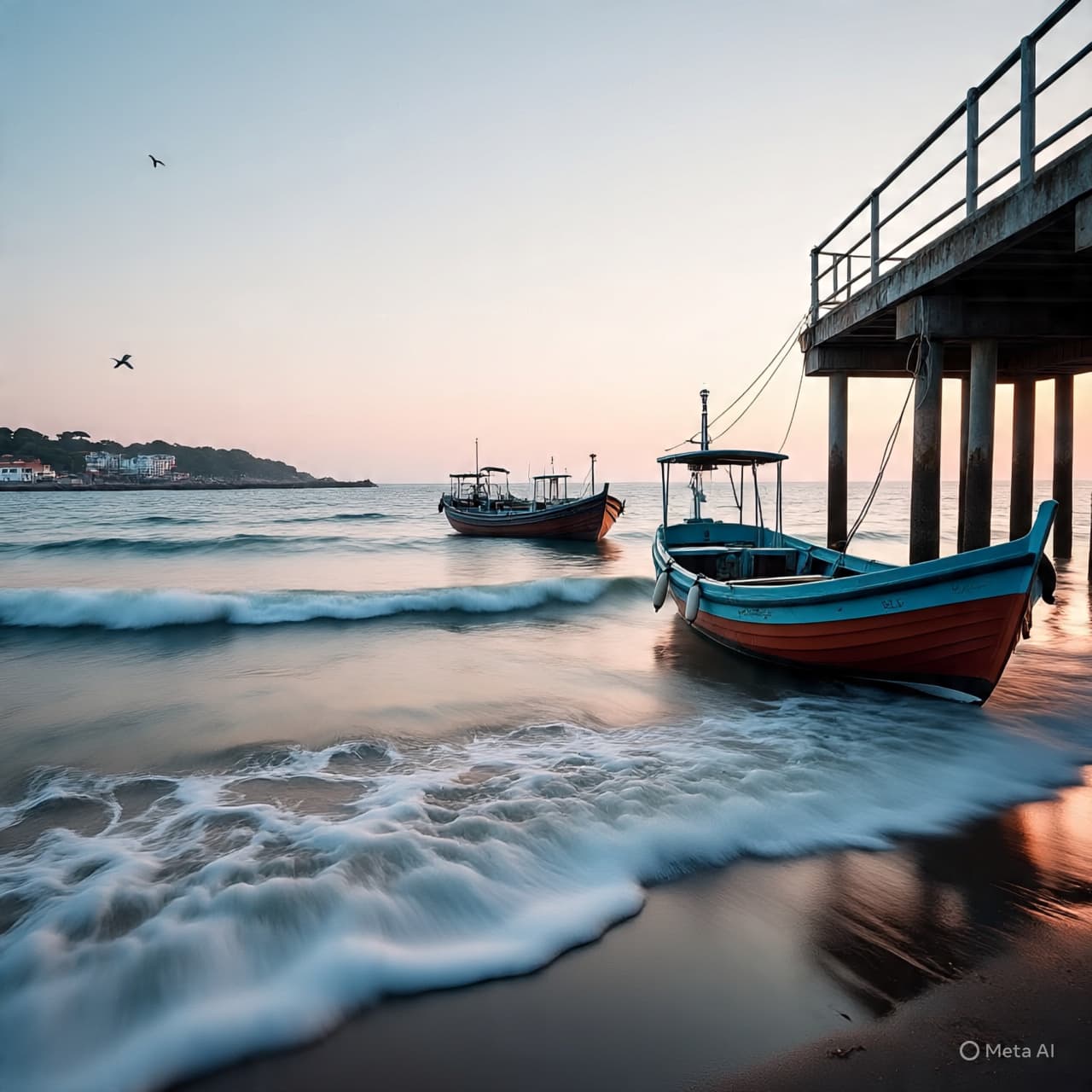
In the gentle spread of early light over the broad blue of the Caribbean Sea, fishing boats bobbed like driftwood among soft ripples, and the horizon seemed an invitation to another day’s quiet labor. Fishermen cast their lines against the pastel glow of dawn; parents watched children chase waves along sandy edges. Here, where the sea and sky often blur into one serene sweep, the rhythm of life has long been marked by the ebb and flow of tides, rather than the thunder of distant decisions.
But on a Wednesday that began like any other, a different kind of wave rippled across these waters — a wave borne not of wind or tide but of ordnance. The U.S. military’s Southern Command announced a strike on a vessel in the Caribbean that resulted in the deaths of four people, the latest in a series of lethal engagements at sea. The announcement came without immediate details about who those killed were or the fuller circumstances of the attack, but it confirmed that U.S. forces had carried out the strike on a boat they said was operating along known drug trafficking routes, part of a broader campaign against what the Pentagon describes as narcotics trafficking operations in the region.
Across this expanse of water where pirogues and pleasure crafts glide in the warm swell, the news seemed to arrive like an echo rather than a shock: another act in an ongoing effort that has unfolded in intermittent waves since last autumn. The Trump administration has framed these strikes as part of an “armed conflict” against cartels and “narco‑terrorist” networks that it says transport illicit drugs toward the United States, a justification stretching beyond the usual narratives of law enforcement. Skeptics on shore and beyond have questioned how often these military actions actually intersect with known drug smuggling and whether the evidence supports the gravity of such lethal force.
The four lives lost in this latest incident become a quiet ledger among the at least 163 deaths reported from similar actions by U.S. forces in the Caribbean and eastern Pacific since the campaign began last September. Many of those struck have been described by officials as affiliated with criminal networks, yet public disclosures of concrete evidence about drugs aboard these boats have been sparse, even as videos released by military units show vessels consumed by bright flares against the dusk of open waters.
On shore, the pulse of daily life continues. Market stalls open with the aroma of sea salt and freshly caught fish; children’s laughter arcs over beaches as boats carve paths along turquoise corridors. For communities here, the sea is a cradle of sustenance and connection, not merely a stage for headlines. In ports and towns, conversations ripple with questions both practical and philosophical: how to understand far‑away policy decisions that appear here in the sudden flash of a strike, and how to steward the waters that have long been a quiet source of livelihood.
In the soft wind that brushes this stretch of ocean, there is a reminder that movements at sea are rarely simple or still. They carry with them the currents of global policy, of efforts to stem flows of drugs and violence, and of the human cost that attends every distant decision. As the sun rises higher over this tranquil blue realm, the minds of those who watch from shore may drift back to the sea’s timeless rhythm — vast, unpredictable, and shaped by forces both ancient and modern.
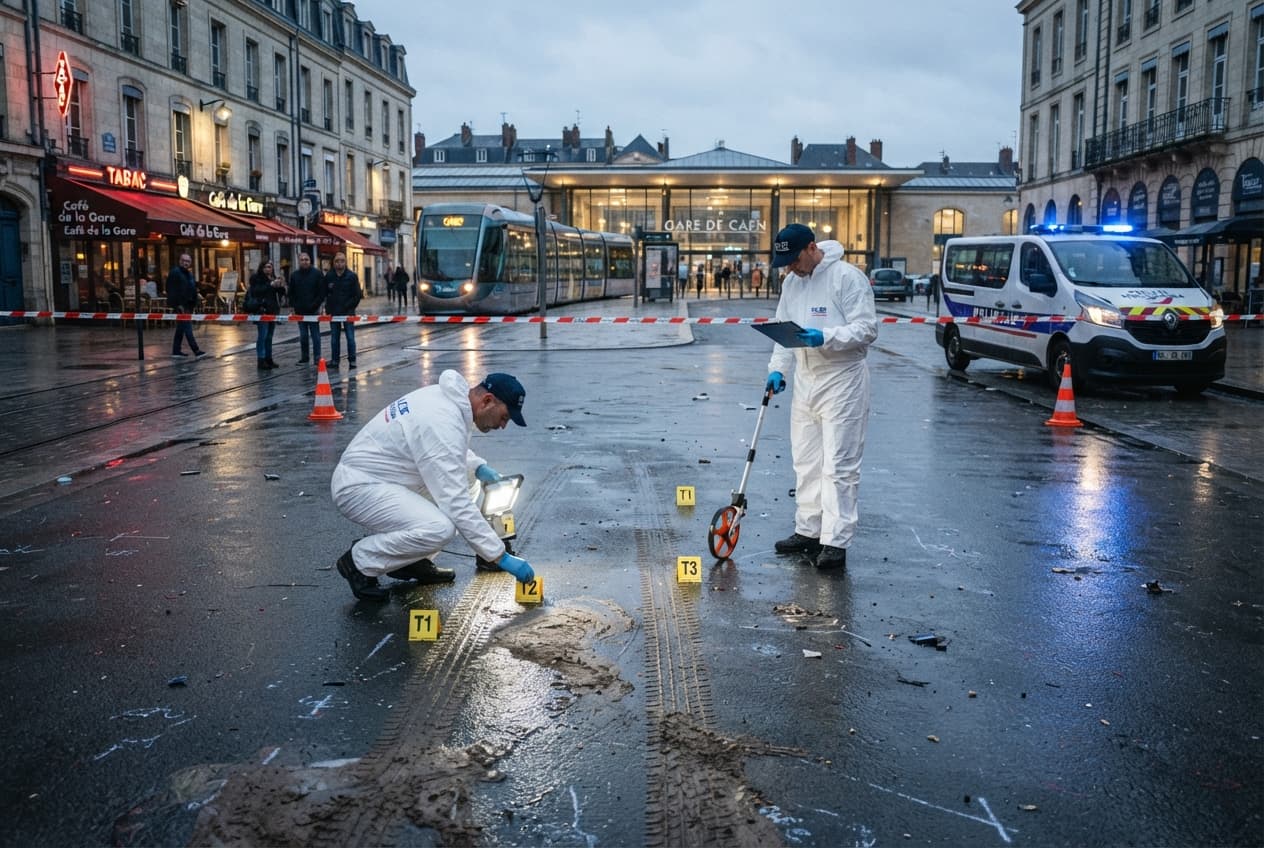
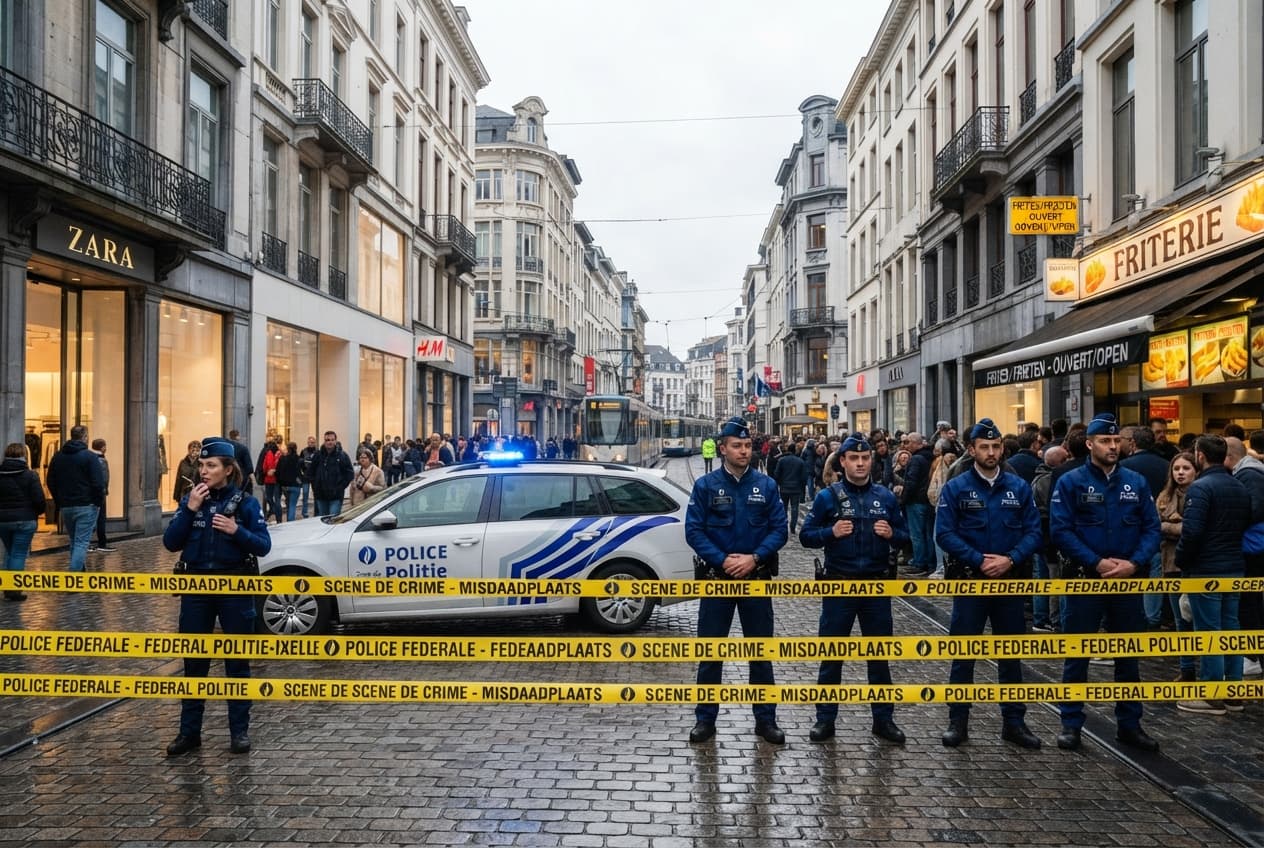
AI Image Disclaimer Visuals are AI‑generated and serve as conceptual representations.
Sources The Guardian Associated Press Reuters Stars and Stripes Democracy Now
Published by Banx Network. This article is part of the Banx decentralized media programme, powered by the BXE token on the XRP Ledger.