Even in a year marked by daunting setbacks — from funding cuts to persistent disease burdens and shifting geopolitical priorities — the global health community found moments that reminded the world why the work continues with urgency and hope. In 2025, despite steep challenges, notable progress in public health, vaccination strategy, disease elimination and pandemic preparedness emerged as bright spots that offer a glimpse of what collective effort can achieve.
At the heart of these achievements was a milestone long sought by global health advocates: no country had completed the “triple crown” of eliminating mother-to-child transmission of HIV, syphilis and hepatitis B — until this year. In October 2025, the World Health Organization (WHO) validated the Maldives for eliminating mother-to-child transmission of hepatitis B, adding to prior achievements in HIV and syphilis. This marked the first nation to satisfy all three thresholds and has been heralded as an inspiration for other countries striving toward similar goals.
Progress against malaria offered another encouraging narrative. Three additional countries — Suriname, Timor-Leste and Georgia — were certified by WHO as malaria-free in 2025, bringing the global total to 47 countries and one territory free from local transmission. Suriname’s success is particularly noteworthy, being the first in the Amazon region to achieve this status despite its historically challenging mosquito ecology. Recent expansions in prevention and vaccination campaigns in multiple African nations — including Burundi, Ethiopia, Guinea, Mali, Togo, Uganda and Zambia — also bolstered the fight against malaria, increasing access to newly approved vaccines.
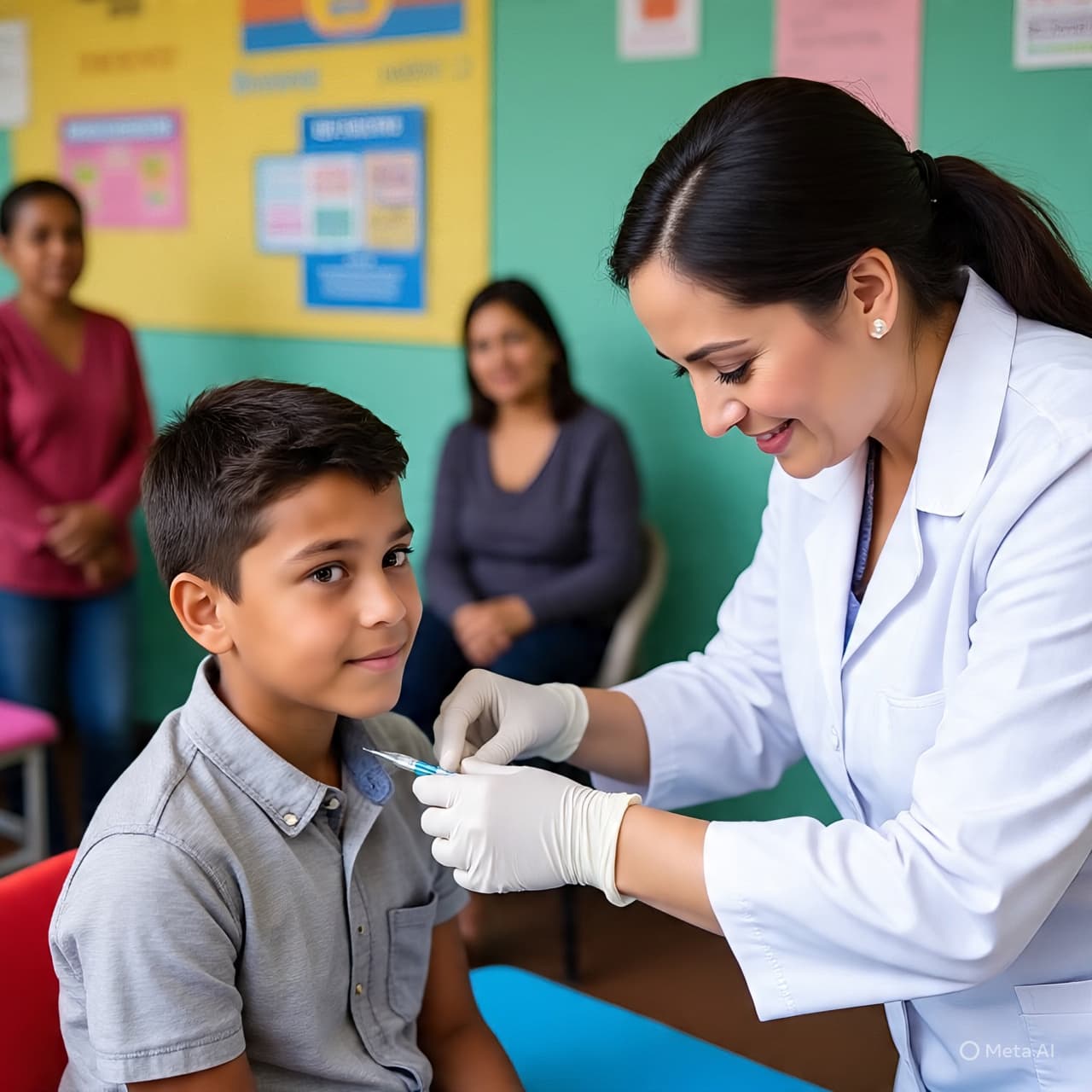
Amid global efforts to make lifesaving vaccines more accessible, HPV vaccination strategies took a leap forward. Historically, three doses were required for full protection against human papillomavirus, a primary cause of cervical cancer. But in 2025, a growing consensus around one-dose regimens — supported by evidence of strong effectiveness — took hold in numerous countries, including Angola, Ghana, Nepal and Pakistan. This shift promises to make cervical cancer prevention far more attainable in lower-resource settings, where logistical barriers have long limited vaccine uptake.
In parallel with these disease-specific wins, the year saw broader structural advances in global health cooperation and preparedness. At the 78th World Health Assembly in May, a landmark Pandemic Agreement was adopted — a framework designed to boost collaboration on surveillance, equitable access to vaccines and diagnostics, and readiness for the next global health emergency. This pact, along with updated International Health Regulations, aims to leave less room for delay or disjointed response when emerging threats arise.
These bright spots — disease elimination milestones, vaccination strategy innovation and strengthened international cooperation — come against a backdrop of persistent difficulty, including funding reshuffles that have weighed on traditional aid channels and the sobering reality of preventable deaths. Yet, even as global health systems grapple with formidable obstacles, 2025 offered reasons to believe that ambitious goals are not out of reach when science, policy and community action align.
AI Image Disclaimer Visuals are created with AI tools and are intended for conceptual representation, not real photographs.
Sources WHO – World Bank Report & Milestones NPR / WBHM health review WHO Elimination Certification announcements HPV vaccination policy adoption updates WHO Pandemic Agreement coverage
Published by Banx Network. This article is part of the Banx decentralized media programme, powered by the BXE token on the XRP Ledger.