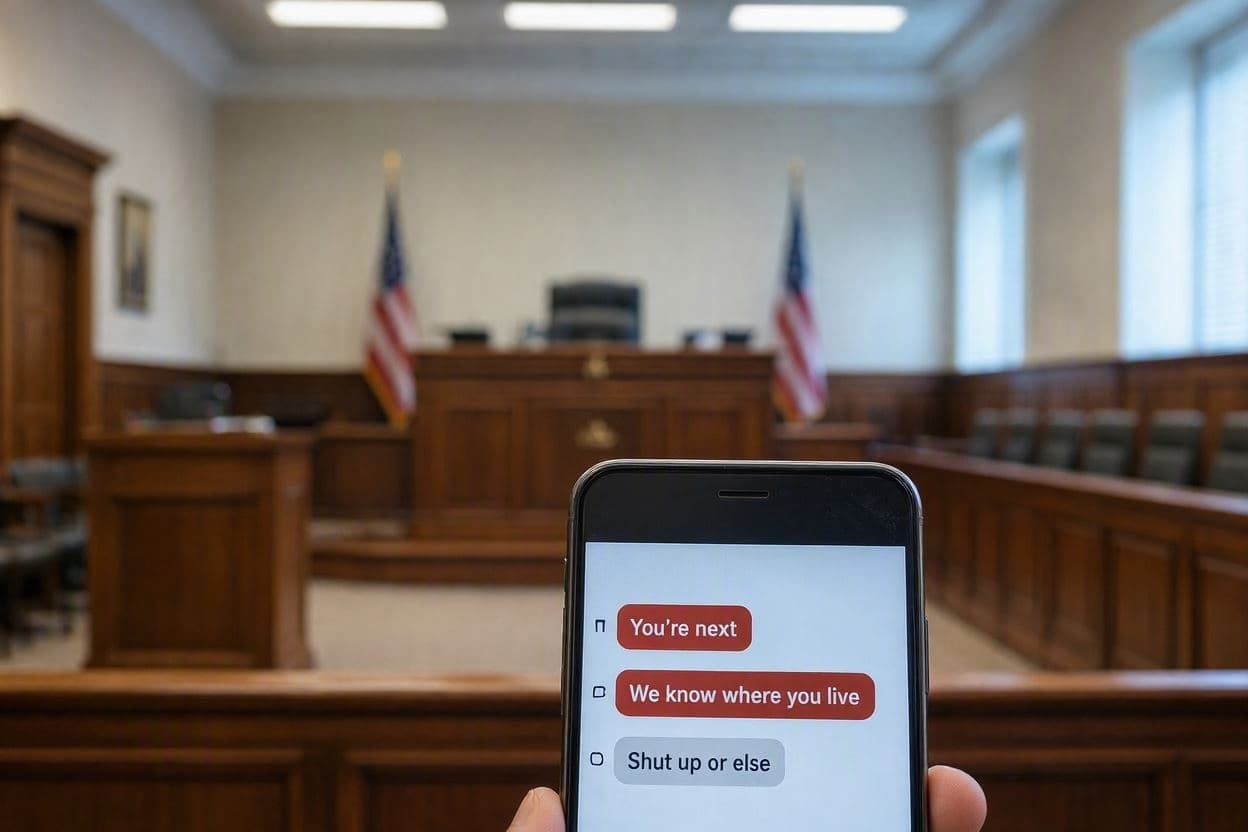
Justice, in its most solemn form, seeks to provide closure for wounds that may never fully heal. In Barrow County, Georgia, a courtroom fell silent as the sentence was read for Colt Gray, the teenager responsible for the tragic shooting at Apalachee High School. Sentenced to life without parole, Gray’s punishment marks the end of a legal chapter but leaves a community grappling with the profound loss of life and the lingering questions of how such violence could occur.
Gray, who was 16 at the time of the shooting in September 2024, pleaded guilty to 55 counts, including murder and aggravated assault. The attack claimed the lives of two teachers and two students, injuring nine others in a burst of violence that shocked the nation. His decision to plead guilty spared the victims’ families the trauma of a trial, allowing them to share their impact statements directly with the court.
During the sentencing hearing, Judge Nicholas Primm described Gray’s actions as "deliberate, contemplated evil," emphasizing the premeditated nature of the crime. The judge’s words reflected the gravity of the loss and the need for accountability. By imposing life without parole, the court ensured that Gray would remain incarcerated for the rest of his days, removing any possibility of release into society.
The case drew national attention due to Gray’s age and the accessibility of the firearm used in the attack. Investigations revealed that the weapon was purchased by his father, raising difficult questions about parental responsibility and gun safety laws. While Gray’s father faces separate charges, the focus of this sentencing remained on the shooter’s actions and their irreversible consequences.
Victims’ families spoke poignantly about their grief and anger, describing the void left by their loved ones. Their testimonies served as a powerful reminder of the human cost of school violence. For many, the sentence offered a measure of justice, though it could never replace what was lost. The community continues to support one another through counseling and memorial events.
Legal experts note that life without parole is the maximum penalty available for a juvenile offender, as the death penalty is prohibited for those under 18. This limitation reflects evolving societal views on youth culpability and rehabilitation. However, in cases of extreme violence, the permanence of the sentence underscores the severity of the crime and the protection of public safety.
As the legal proceedings conclude, the focus shifts to healing and prevention. Schools across the country are reviewing safety protocols and mental health resources, inspired by the lessons of Apalachee. The tragedy has sparked renewed conversations about how to identify and support at-risk youth before violence occurs.
The sentencing of Colt Gray brings a formal end to the judicial process, but the emotional journey for the community continues. As Apalachee High School moves forward, the memory of those lost remains a guiding light for change and resilience.
AI Image Disclaimer: Please note that the images in this piece are AI-generated illustrations created to depict the themes of legal justice and community mourning.
Sources: WABE, ABC News, CNN, GPB
Published by Banx Network. This article is part of the Banx decentralized media programme, powered by the BXE token on the XRP Ledger.