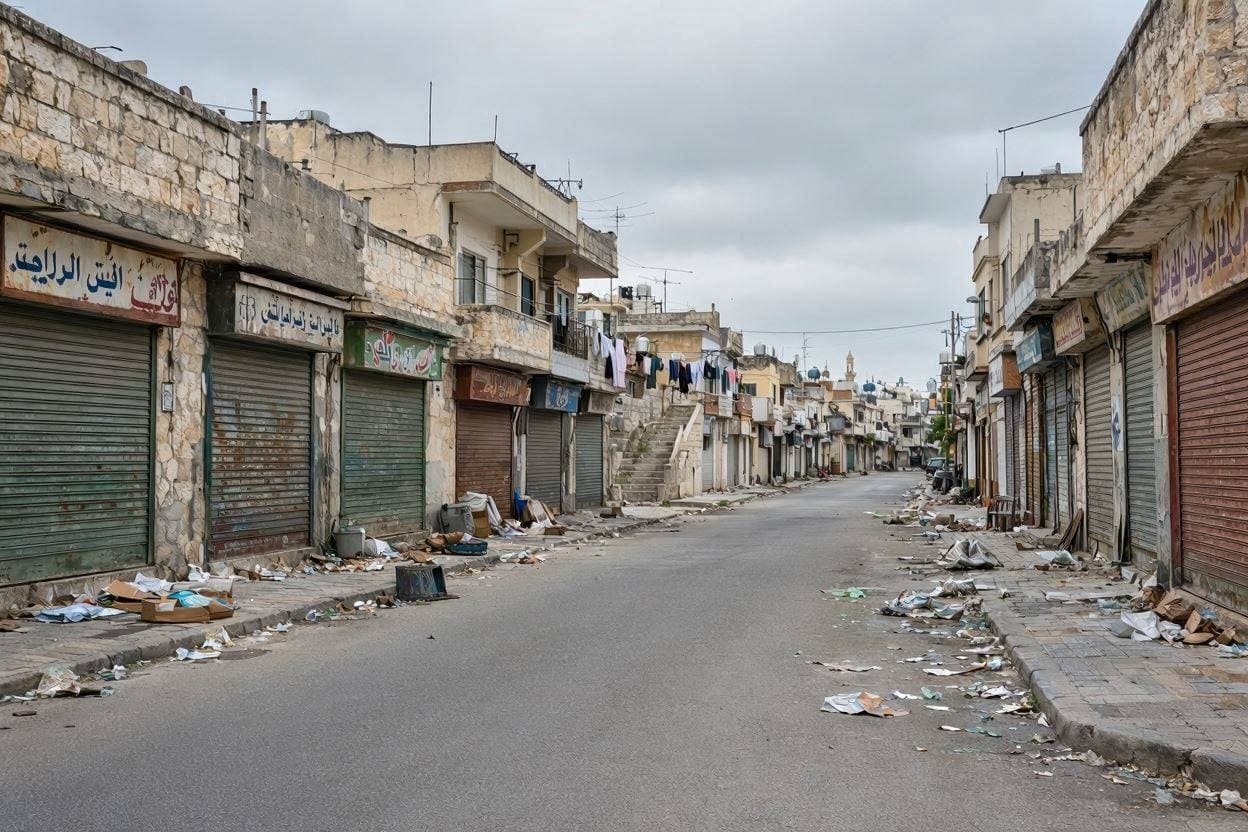
In the shadow of renewed hostilities, Lebanon’s so-called "yellow zone" has become a stark symbol of the human cost of conflict. Here, amidst the rubble and uncertainty, ordinary citizens navigate a daily struggle for survival, where access to basic necessities like food and medicine is no longer a given but a hard-won prize.
The term "yellow zone" refers to areas affected by the escalating tensions between Hezbollah and Israel, which intensified sharply in March 2026. For the residents trapped in these regions, life has been reduced to a series of precarious calculations, balancing the need for safety with the urgent demand for sustenance and healthcare.
Body: The humanitarian crisis in Lebanon has deepened significantly since the breakdown of the November 2024 ceasefire, with nearly one in four people facing acute food insecurity. In the yellow zones, this statistic translates into empty shelves, long queues for aid, and families rationing every meal to stretch limited supplies.
Medical facilities, already strained by years of economic instability, are now overwhelmed by the influx of injured civilians and the scarcity of essential drugs. Doctors and nurses work tirelessly under difficult conditions, often lacking the resources to provide adequate care, highlighting the fragility of the health infrastructure in times of crisis.
International aid organizations, including Doctors Without Borders and the International Rescue Committee, have sounded the alarm on the deteriorating situation. They report that over 1.2 million people are projected to face acute food insecurity between April and August 2026, a figure that underscores the scale of the emergency.
Despite these warnings, the delivery of aid remains challenging due to security concerns and logistical hurdles. Humanitarian corridors are often disrupted by ongoing violence, leaving many communities isolated and dependent on informal networks for survival. This isolation exacerbates the sense of vulnerability among the population.
The psychological toll on the residents is equally profound, with many suffering from trauma and anxiety due to the constant threat of violence and the uncertainty of their future. Children, in particular, bear the brunt of this instability, their education and development interrupted by the chaos surrounding them.
Local community leaders and volunteers have stepped in to fill the gaps, organizing distribution centers and providing support to the most vulnerable. Their efforts, though heroic, are often insufficient to meet the overwhelming demand, illustrating the need for a more comprehensive and sustained international response.
As the conflict continues, the resilience of the Lebanese people is tested daily. Their ability to endure and adapt in the face of such adversity is a testament to their strength, but it also highlights the urgent need for a lasting ceasefire and a robust humanitarian intervention.
Closing: The situation in Lebanon’s yellow zone serves as a sobering reminder of the devastating impact of prolonged conflict on civilian populations. It calls for a renewed commitment from the international community to prioritize humanitarian access and work towards a sustainable peace that allows these communities to rebuild their lives.
AI Image Disclaimer: Visuals included in this piece are AI-generated representations intended to convey the atmosphere of the reported events.
Sources: UN OCHA Doctors Without Borders International Rescue Committee Al Jazeera
Published by Banx Network. This article is part of the Banx decentralized media programme, powered by the BXE token on the XRP Ledger.