Nitrogen is the backbone of life, essential for building proteins and DNA, yet most organisms cannot use the abundant nitrogen gas in the atmosphere. Instead, they rely on a rare biological process called nitrogen fixation, performed by certain bacteria and archaea. While this process is well-studied in moderate climates, recent discoveries have shed light on how it occurs in extreme environments, specifically near the boiling point. These findings offer a glimpse into the resilience of life and the potential for industrial applications in harsh conditions.
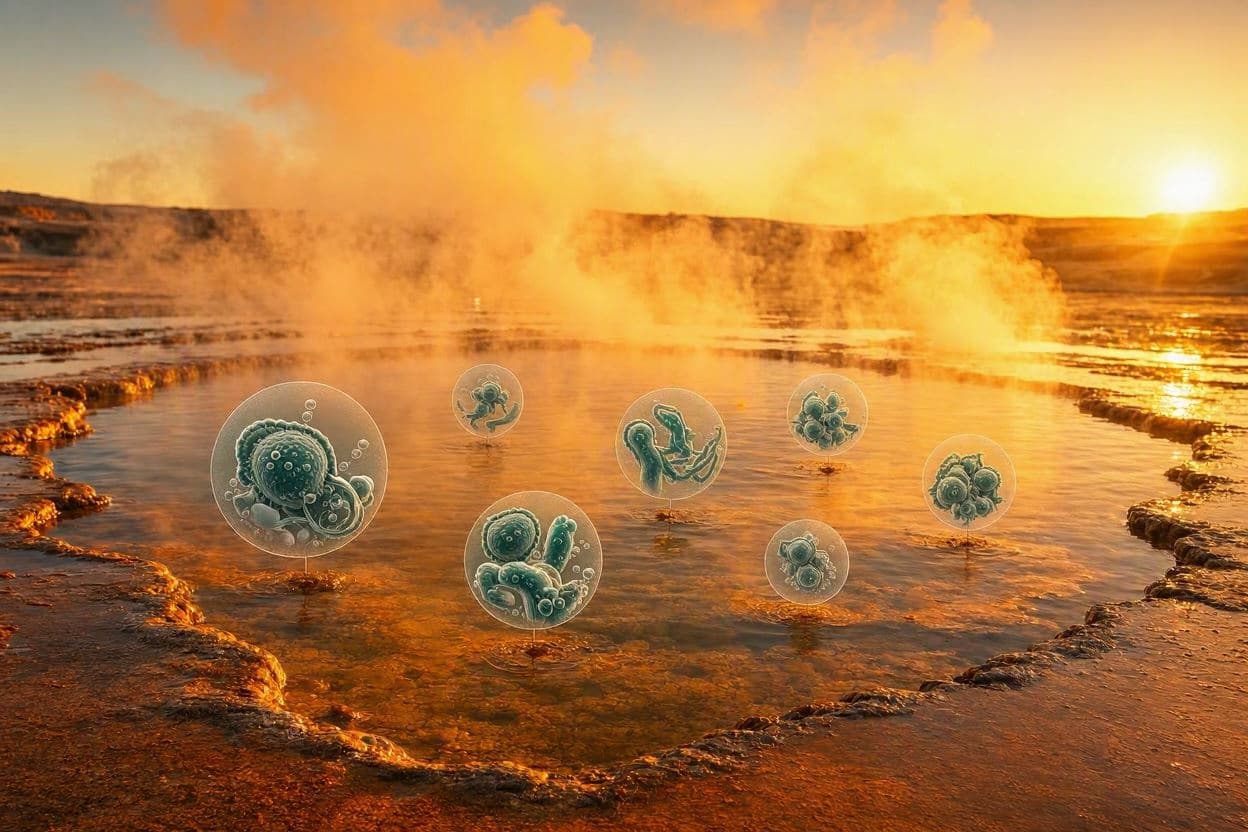
Researchers have been investigating thermophilic microorganisms, which thrive in high-temperature environments such as hot springs and hydrothermal vents. Among these, certain archaea have been found to possess nitrogenase enzymes that remain active at temperatures close to 100 degrees Celsius. This is remarkable because nitrogenase is typically sensitive to heat and oxygen, requiring careful protection within the cell. The ability of these extremophiles to fix nitrogen under such conditions challenges our understanding of enzyme stability and function.
The study, published in recent microbiological journals, utilized advanced genomic and proteomic techniques to analyze the molecular structure of these heat-stable nitrogenases. Scientists discovered that these enzymes have unique structural features, such as increased ionic bonds and compact protein folding, that prevent them from denaturing at high temperatures. These adaptations allow the enzyme to maintain its catalytic activity even when the surrounding environment is nearly boiling.
This discovery has significant implications for agriculture and biotechnology. Current industrial nitrogen fixation, via the Haber-Bosch process, requires high pressure and temperature, consuming vast amounts of energy. Biological nitrogen fixation, in contrast, occurs at ambient conditions but is limited by the sensitivity of the enzymes. Understanding how thermophilic nitrogenases withstand heat could inspire the engineering of more robust enzymes for crop production, potentially reducing the need for synthetic fertilizers.
Moreover, these findings provide insights into the early history of life on Earth. The planet was likely much hotter in its infancy, and the ability to fix nitrogen at high temperatures may have been a crucial adaptation for early ecosystems. By studying these modern-day extremophiles, scientists can reconstruct the metabolic pathways that supported life in primordial environments, offering clues about the origins of biological complexity.
The research also highlights the diversity of microbial life in extreme habitats. Hot springs and geothermal areas, once thought to be barren of complex biological activity, are now recognized as hubs of metabolic innovation. These environments serve as natural laboratories for discovering new enzymes and biochemical pathways that have evolved to survive under conditions that would be lethal to most other forms of life.
As climate change alters global ecosystems, understanding the limits of biological processes becomes increasingly important. The resilience of thermophilic nitrogen fixers suggests that life can adapt to extreme stressors, providing hope for the sustainability of agricultural systems in a warming world. It also underscores the value of preserving biodiversity in extreme environments, which may hold keys to future technological breakthroughs.
Ultimately, the molecular insight into high-temperature nitrogen fixation reminds us of the ingenuity of nature. In the face of extreme heat, life has found a way to capture the essential element of nitrogen, sustaining ecosystems in some of the most challenging places on Earth.
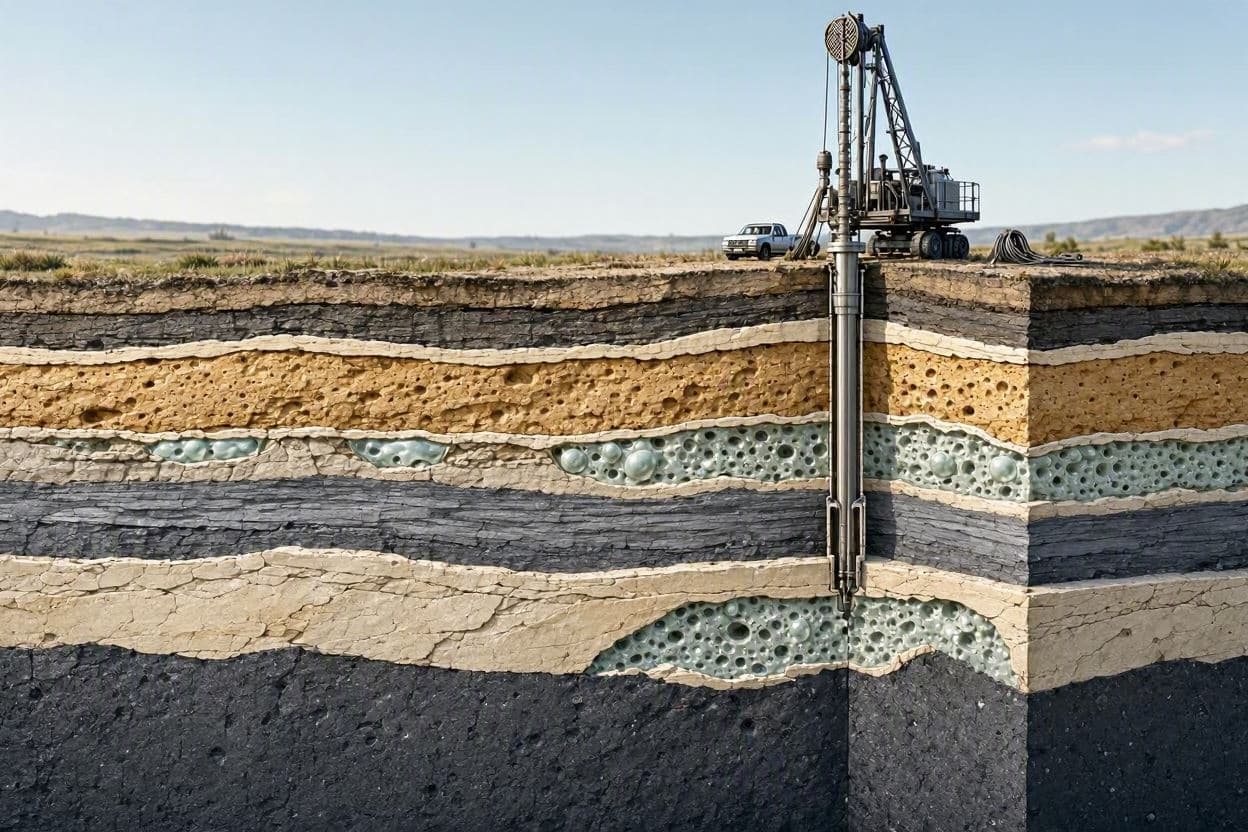
AI Image Disclaimer: The accompanying images are AI-generated artistic interpretations of molecular structures and extreme environments, not actual photographic evidence.
Sources: Proceedings of the National Academy of Sciences Nature Microbiology Scientific American
Published by Banx Network. This article is part of the Banx decentralized media programme, powered by the BXE token on the XRP Ledger.