For many, alcohol begins as a social lubricant, a way to unwind after a long day or celebrate with friends. But for Daniel Norrish, it became a prison. Drinking up to twenty-three cans of beer a day, he found himself trapped in a cycle of dependency that obscured his potential and clouded his future. His recent journey from addiction to clarity is a powerful testament to the human capacity for change, highlighting how community and purpose can help reclaim a life lost to substance abuse.
Daniel’s story is one of gradual decline masked by normalcy. For years, he maintained a facade of functionality, but internally, alcohol dictated his choices, relationships, and health. The turning point came not with a dramatic crash, but with a quiet realization that he was missing out on life. He described feeling as though his eyes were finally opening to the reality of his situation, prompting a difficult but necessary decision to seek help and stop drinking.
Recovery, however, is rarely a solitary path. Daniel found solace and structure in volunteering for FoodCycle, a charity that transforms surplus food into free, nutritious meals for those in need. This act of service provided more than just a routine; it offered a sense of belonging and contribution. Helping others allowed him to rebuild his self-esteem and connect with his community in meaningful ways, replacing the void left by alcohol with purpose.
The physical and mental benefits of sobriety have been profound. Daniel reports improved health, clearer thinking, and a renewed energy for life. Simple pleasures, once dulled by constant intoxication, have regained their vibrancy. He speaks of waking up without hangovers, engaging fully in conversations, and being present for his family and friends. These small victories accumulate, building a foundation for a sustainable, sober life.
His experience reflects a broader truth about addiction recovery: it is not just about abstaining from substances but about rebuilding a life worth living. Finding new passions, supporting others, and engaging in community service can be crucial components of this process. For Daniel, volunteering became a cornerstone of his new identity, shifting his focus from what he had lost to what he could give.
Public sharing of such stories helps destigmatize addiction and encourages others to seek help. By speaking openly about his struggles and triumphs, Daniel offers hope to those still in the grips of alcohol dependency. He demonstrates that recovery is possible and that life after addiction can be rich, fulfilling, and deeply connected.
Support systems play a vital role in this transformation. Whether through formal treatment programs, support groups, or community organizations like FoodCycle, having a network of care is essential. These resources provide the guidance and encouragement needed to navigate the challenges of early sobriety and maintain long-term wellness.
Daniel Norrish’s journey from alcohol dependency to a life of service and clarity is an inspiring example of resilience. It reminds us that while addiction may rule for a time, the human spirit can always find a way to break free and see the world with new, open eyes.
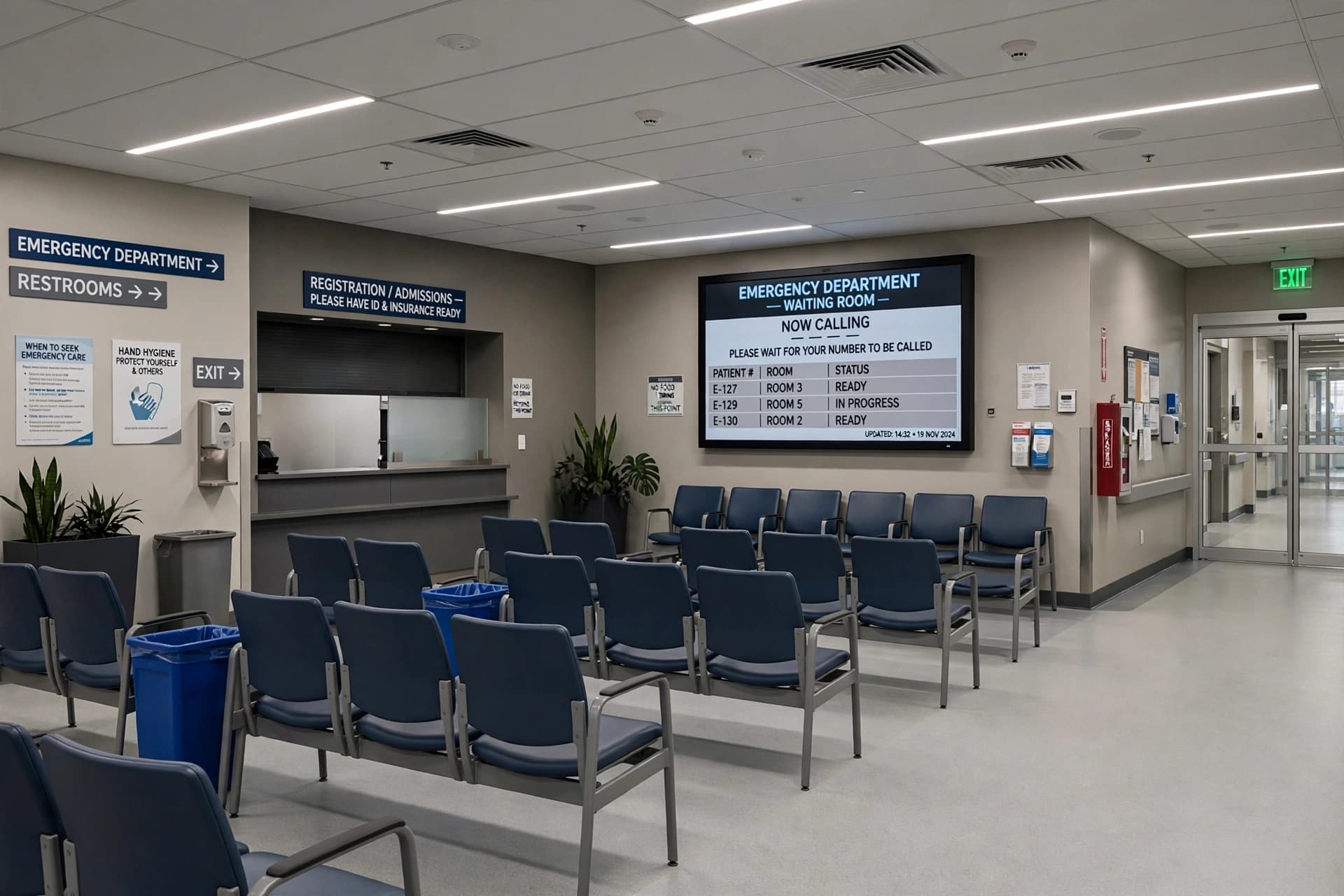
AI Image Disclaimer: Any images used in conjunction with this article are AI-generated conceptualizations meant to illustrate the themes of media and justice.
Sources: BBC News, AOL, Yahoo Lifestyle
Published by Banx Network. This article is part of the Banx decentralized media programme, powered by the BXE token on the XRP Ledger.