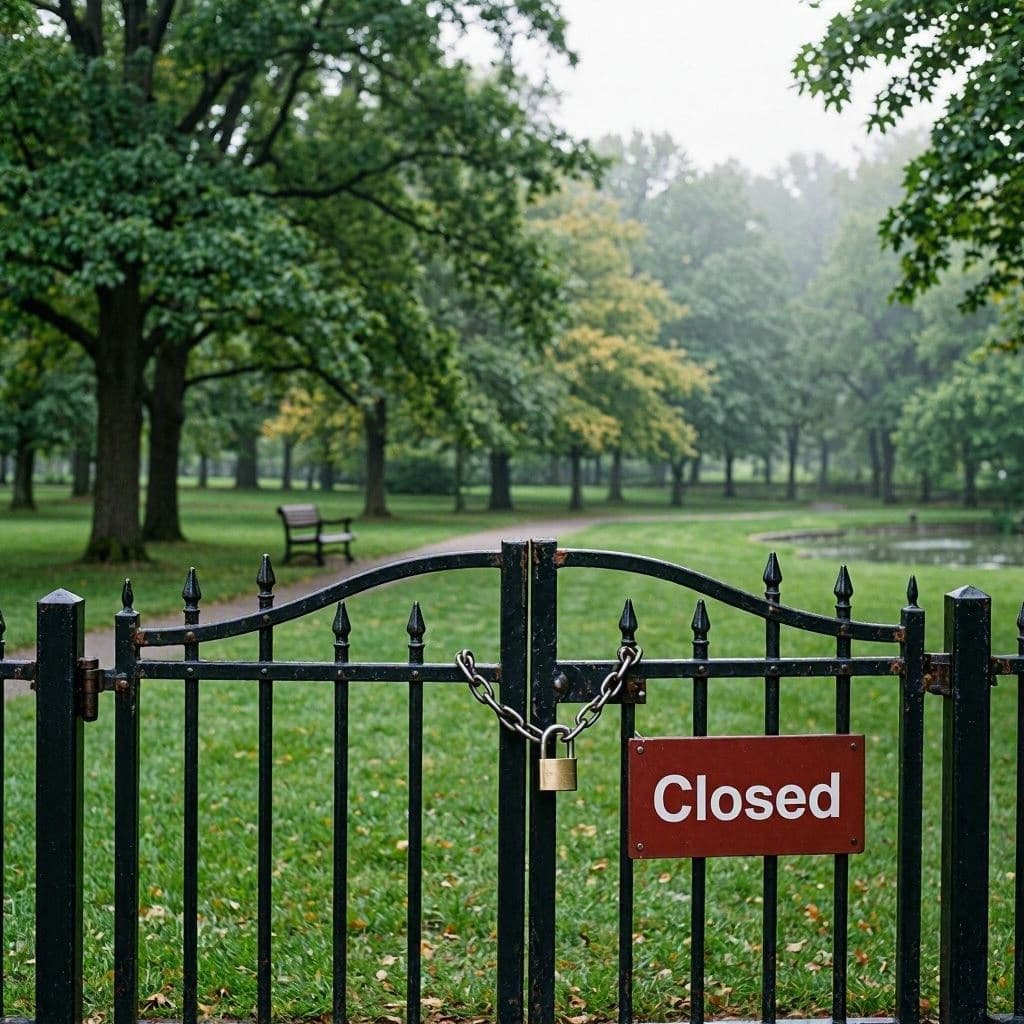
Parks are often the lungs of a city, places where communities breathe, play, and connect. In an Oregon city, however, these green spaces have become pawns in a high-stakes political game. Residents feel they are being held hostage as local officials close parks to pressure for increased funding, turning symbols of leisure into instruments of negotiation. The move has sparked outrage and a deep sense of betrayal among those who rely on these public amenities.
The closure of parks is a drastic measure, one that directly impacts the quality of daily life. For families, it means losing safe places for children to play. For seniors, it means losing spots for social interaction and exercise. The emotional toll is significant, as these spaces are woven into the fabric of community identity and well-being.
Officials argue that the closures are necessary to highlight the severity of the budget shortfall. They contend that without adequate funding, maintaining these facilities is impossible. By removing access, they hope to galvanize public support for tax increases or state aid. It is a strategy rooted in the belief that pain prompts action.
However, many residents view this tactic as punitive rather than persuasive. They feel punished for a fiscal crisis they did not create and believe that essential services should not be used as bargaining chips. The perception of being leveraged erodes trust in local government and creates a divisive atmosphere.
Community leaders are calling for dialogue and alternative solutions. They suggest that transparency about the budget and collaborative planning could achieve funding goals without sacrificing public access. The goal is to find a path that respects both financial realities and civic needs.
The situation reflects broader challenges facing municipal governments across the country. Balancing limited resources with growing demands is a constant struggle. How cities choose to manage these deficits reveals their values and priorities. Using parks as leverage raises questions about what is considered essential and who bears the burden of austerity.
As the standoff continues, the hope is for a resolution that restores access and rebuilds trust. The parks remain closed, silent witnesses to a political dispute. Their eventual reopening will depend on the willingness of all parties to listen, compromise, and prioritize the common good.
Residents in an Oregon city are protesting the closure of parks, which officials say is a leverage tactic in a funding dispute. The situation highlights tensions between fiscal constraints and public service accessibility.
AI Image Disclaimer: Visuals accompanying this report are AI-generated and intended to provide contextual imagery rather than depict specific real-world events.
Sources: The Oregonian KPDX Local Government Reports
Published by Banx Network. This article is part of the Banx decentralized media programme, powered by the BXE token on the XRP Ledger.