There is a quiet ritual in saving something important. A photo taken in passing, a document finished late at night, a file meant to travel from one place to another without being lost along the way. In the digital age, this ritual often ends not in a drawer or folder, but in the cloud, where Google Drive has become a familiar resting place for everyday memories and work alike.
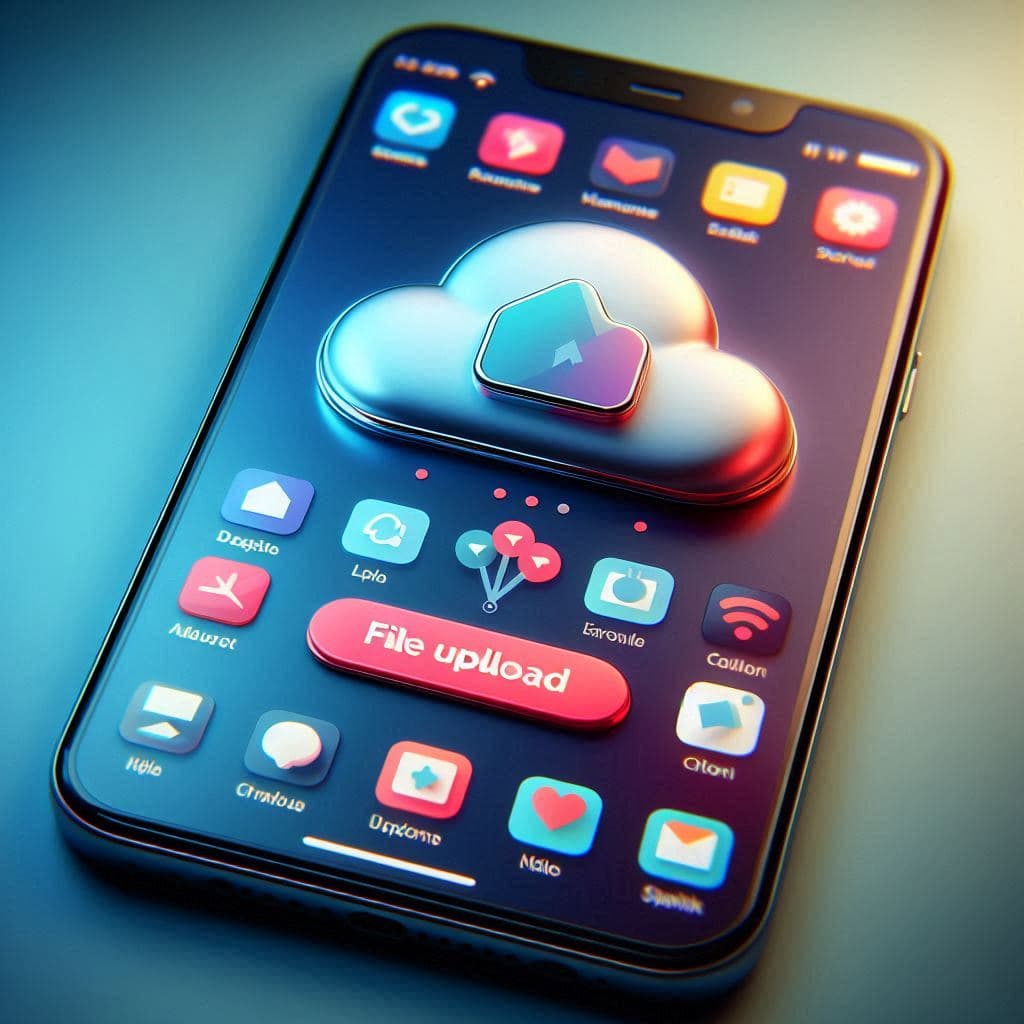
Uploading files to Google Drive is designed to feel less like a task and more like a gentle handoff. On Android phones, the process flows naturally within the system. A few taps on the Drive app, a familiar plus icon, and files move upward, leaving the device yet remaining accessible. It mirrors the way Android itself is built—open, intuitive, and closely tied to Google’s ecosystem.
For iPhone users, the experience is slightly different but no less accommodating. After installing the Google Drive app, files such as photos or documents can be uploaded through the app’s upload menu or shared directly from other apps. It is a small extra step, yet one that quickly becomes routine, blending into the rhythm of daily phone use.
On laptops and desktop computers, the process feels more expansive. Files can be uploaded directly through a web browser by dragging them into Drive’s interface, or through a dedicated desktop application that syncs folders automatically. Here, uploading becomes almost invisible—files appear in the cloud as they are saved, without ceremony.
Across all devices, the idea remains the same. Google Drive does not ask users to think about servers or storage locations. It simply offers continuity. A file uploaded on a phone appears moments later on a laptop. A document edited on a computer is ready to be shared from a tablet. The cloud becomes less of a destination and more of a bridge.
Security and storage limits still matter, of course. Users are gently reminded of available space and account boundaries, keeping expectations grounded. But within those limits, the process remains intentionally simple, allowing technology to step back rather than stand in the way.
In closing, uploading files to Google Drive from Android, iPhone, or laptop is no longer a technical hurdle but a daily habit. As devices continue to change, this quiet consistency remains—files moving smoothly upward, ready when and where they are needed, without asking for much attention at all.
AI Image Disclaimer Graphics are AI-generated and intended for representation rather than real-world accuracy.
Sources (media names only, no links):
Google Help Center Android Authority Apple Support The Verge How-To Geek
Published by Banx Network. This article is part of the Banx decentralized media programme, powered by the BXE token on the XRP Ledger.